The First Color You Notice Can Reveal Hidden Traits About Your Personality
Have you ever looked at a picture filled with letters and suddenly noticed a color that seemed to jump out at you before anything else?
Perhaps your eyes immediately found the word BLUE. Maybe PURPLE appeared first, or your attention went straight to GREEN, RED, or YELLOW. Whatever the color was, you may have felt that your brain had discovered something hidden inside the puzzle.
Now comes the intriguing question: Could the first color you notice reveal something about your personality that you have never realized before?
This simple visual test has become popular because it promises to uncover a person's hidden characteristics through a surprisingly easy activity. You do not need to answer dozens of questions, complete a complicated questionnaire, or spend an afternoon thinking about your behavior. All you need to do is look at a grid of letters and identify the first color that catches your attention.
The results can sound remarkably personal. One color may supposedly indicate that you are emotionally intelligent and thoughtful. Another may suggest that you are confident, independent, creative, or naturally attractive to other people.
But there is a fascinating detail that many people overlook.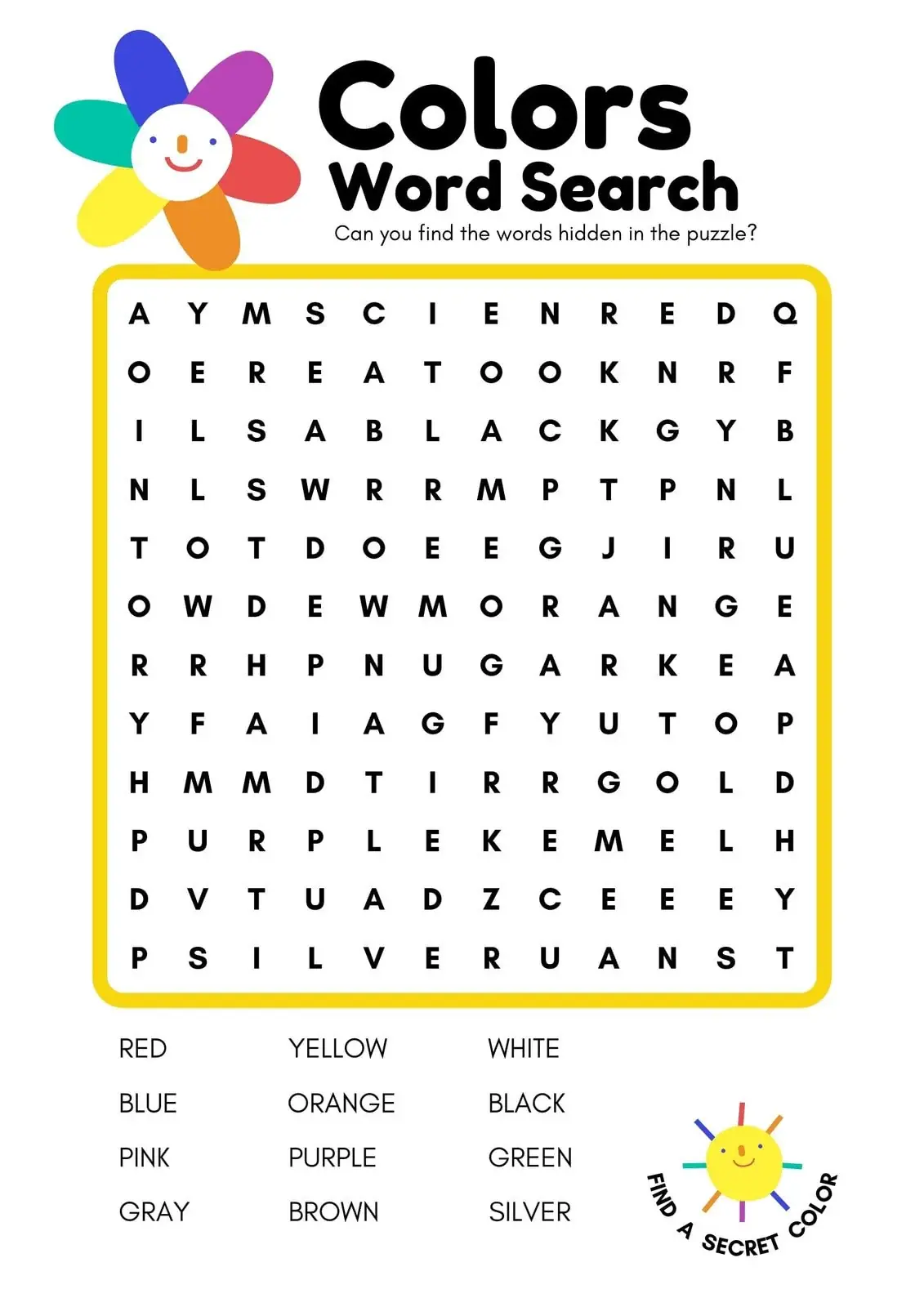
The color you notice first may have more to do with how your eyes scan the image than with the deeper qualities of your personality. And understanding why this happens can make the puzzle much more interesting than simply reading a personality description.
Before deciding what your result means, take a closer look at the image, the way your brain processes visual information, and what scientific research has actually discovered about color and personality.
Why This Simple Color Puzzle Has Captured So Much Attention
Personality tests have always attracted people who want to understand themselves better.
Some tests ask questions about relationships, habits, emotions, or decision-making. Others use photographs, shapes, animals, or unusual patterns to create the impression that a hidden part of the mind is being revealed.
The first-color puzzle belongs to the second category.
It presents a large collection of letters arranged in rows and columns. Somewhere inside the grid, several color names are hidden. Your task is to identify the first color word that becomes noticeable.
The activity appears simple, but the result can feel surprisingly personal.
Imagine looking at the puzzle and noticing the word RED almost immediately. You might wonder whether the result means that you are passionate, energetic, or determined.
Someone else may notice BLUE first and read that it represents calmness, loyalty, or emotional balance.
A third person might discover PURPLE and feel curious about descriptions involving creativity, imagination, or individuality.
The appeal comes from the possibility that a tiny visual experience might reveal something meaningful about the person having it.
However, the puzzle does not measure personality in the same way that a properly designed psychological assessment would. It does not ask about your behavior across different situations, examine your long-term habits, or compare your responses with a validated personality model.
It simply records which word you happened to notice first.
That distinction matters because the same person may notice different colors when looking at the same image on another occasion.
What Does the First Color You Notice Actually Mean?
The popular interpretations of color puzzles usually assign symbolic personality characteristics to different colors.
These descriptions can be entertaining, especially when they encourage people to think about their strengths and personal values.
However, they should be treated as traditional color associations rather than scientifically established personality predictions.
Here are some of the interpretations commonly used in color-based personality games.
If You Notice BLUE First
Blue is often associated with calmness, trust, stability, and reliability.
In popular personality descriptions, people who notice blue first may be portrayed as thoughtful individuals who prefer peaceful relationships and careful decision-making.
They may be described as people who listen before speaking, consider different perspectives, and value honesty in their relationships.
The interpretation sometimes suggests that you are someone others can depend on during difficult situations.
You may prefer meaningful conversations over superficial interactions and appreciate friendships that develop gradually rather than suddenly.
Blue is also frequently associated with reflection and emotional balance.
If the description resonates with you, it may be worth thinking about whether you genuinely value these qualities in your everyday life.
But noticing blue first does not prove that you are calm or dependable. You may simply have recognized the letters B-L-U-E before the other color words in the grid.
If You Notice RED First
Red is commonly associated with energy, excitement, passion, courage, and determination.
Popular color tests often describe people who notice red as individuals who enjoy taking action and are willing to pursue their goals.
The description may suggest that you are confident, ambitious, and comfortable expressing your opinions.
Some interpretations also associate red with strong emotions and a desire to make an impression.