Don’t Ignore These 5 Signs That Could Point to a Heart Condition
Think Your Heart Is Fine? Don’t Overlook These 5 Warning Signs
⏱️ 1 min read 27/08/2026 11:04
When it comes to women’s health, conversations often focus on hormones, exercise, sleep, and regular medical checkups. But diet also plays an important role in supporting the body throughout every stage of life.
The uterus does not exist in isolation. It is influenced by the body's overall metabolic health, hormone regulation, immune function, circulation, and inflammatory processes. What you eat regularly can therefore contribute to the environment in which your reproductive system functions.
That doesn't mean a particular food will automatically damage the uterus or cause cancer. There is no single food that can "feed cancer cells" or guarantee protection against cancer. Instead, dietary patterns matter much more than individual ingredients.
Some foods are worth limiting because eating large amounts of them regularly can contribute to excess calorie intake, metabolic problems, cardiovascular risk, or poorer overall diet quality.
Here are seven categories of foods women may want to enjoy less frequently while making room for more nutrient-dense choices.
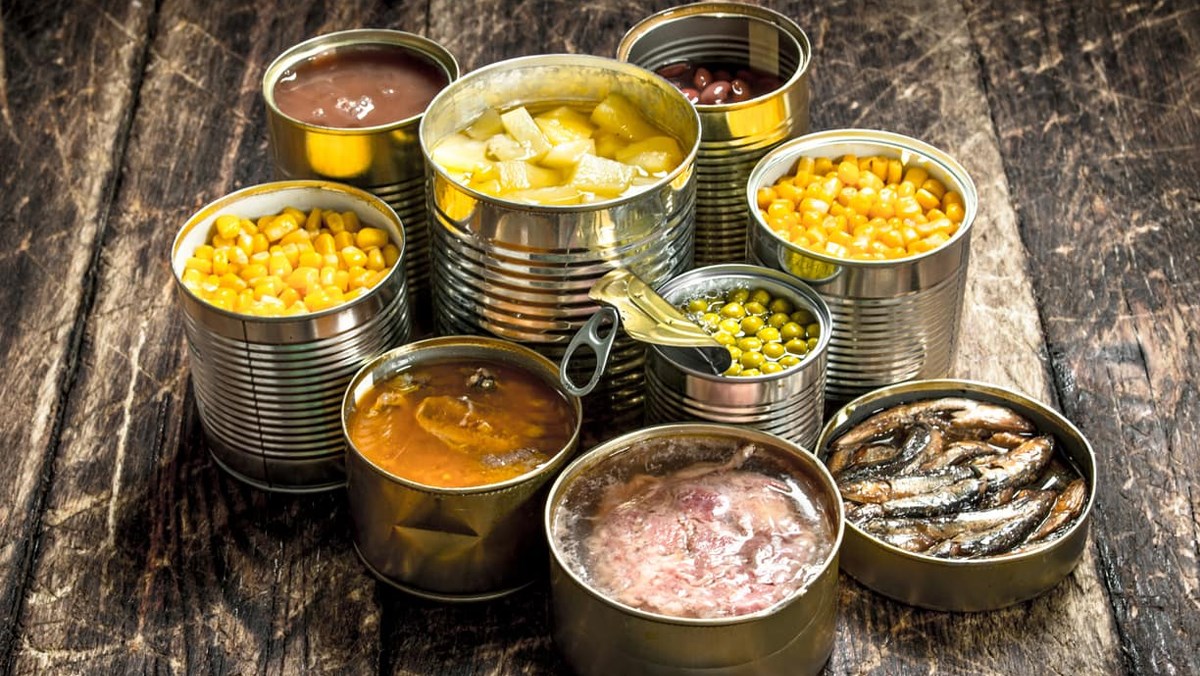
Bacon, sausages, hot dogs, salami, ham, and other processed meats are convenient and flavorful, but they are generally foods to consume in moderation.
Processed meats may contain substantial amounts of sodium and saturated fat, depending on the product. Some are also preserved using nitrates or nitrites.
Research has associated higher consumption of processed meat with an increased risk of certain diseases, particularly colorectal cancer. That doesn't mean eating a slice of bacon occasionally will cause cancer. Rather, the concern is primarily with regular, higher consumption over time.
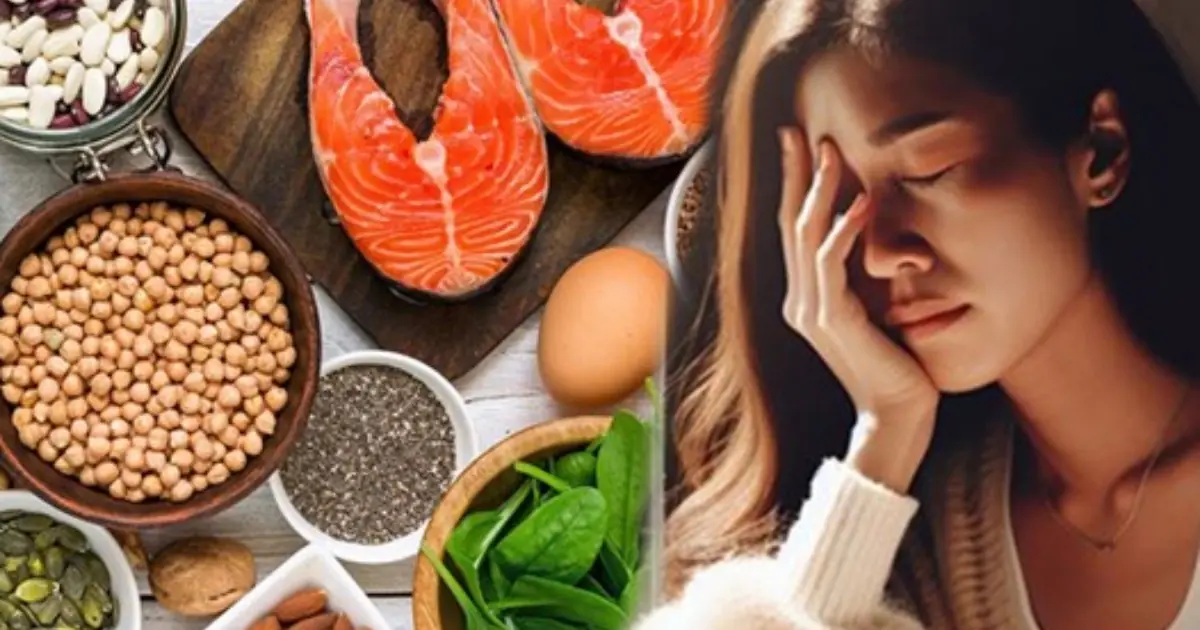
For women interested in supporting overall health, processed meats can be replaced more often with:
Fish
Eggs
Beans
Lentils
Skinless poultry
Unsalted nuts and seeds
These options can provide protein while contributing a wider range of nutrients.
Sweetened sodas, energy drinks, sweet teas, fruit-flavored beverages, and other sugary drinks can deliver a surprising amount of added sugar without making you feel particularly full.
Drinking these beverages frequently can contribute to excess calorie intake and weight gain.
That matters because metabolic health is closely connected with hormone regulation.
For example, excess body fat can influence estrogen metabolism, while obesity is associated with a higher risk of several hormone-related conditions, including endometrial cancer.
The issue isn't that sugar directly "feeds uterine cancer."
That's an oversimplification.
The more accurate concern is that a consistently high intake of sugary foods and drinks can contribute to metabolic problems that may affect long-term health.
Water, unsweetened tea, and other low-sugar beverages are generally better everyday choices.
Fried chicken, french fries, fried snacks, and other heavily fried foods can be delicious, but frequent consumption may make it harder to maintain a balanced diet.
These foods can be high in calories, saturated fat, and sodium.
Depending on how they are prepared, repeated high-temperature frying can also produce potentially harmful compounds.
Eating fried food occasionally is not something most people need to fear.
The bigger issue is when fried foods become a major part of the daily diet.
Instead, try cooking foods by:
Baking
Roasting
Steaming
Grilling
Air frying
These methods can help reduce the amount of added oil while preserving flavor and texture.
White bread, pastries, many packaged crackers, sugary cereals, and other refined carbohydrate products can be low in fiber compared with whole-grain alternatives.
Fiber is important for digestive health and can contribute to better blood sugar control and satiety.
A diet dominated by refined carbohydrates may also make it easier to consume excess calories.
This doesn't mean women need to completely eliminate white rice, bread, or pasta.
Instead, consider replacing some refined grains with:
Oatmeal
Brown rice
Barley
Quinoa
Whole-grain bread
Beans and lentils
The goal is balance, not restriction.
Packaged cookies, chips, candy, sweet pastries, and similar snacks can be easy to overeat because they are often designed to be highly palatable.
Many contain combinations of refined carbohydrates, added sugars, sodium, and fats while providing relatively little fiber or protein.
Having a cookie or a handful of chips doesn't make your diet unhealthy.
The concern is when these foods consistently replace nutritious meals and snacks.
If you want something between meals, consider options such as:
Fresh fruit with nuts
Plain yogurt with berries
Carrots with hummus
Apple slices with peanut butter
A small portion of unsalted nuts
These choices can provide more fiber, protein, vitamins, and minerals.
Alcohol deserves special attention because unlike many foods, there is strong evidence connecting alcohol consumption with an increased risk of several cancers.
Alcohol consumption has been associated with cancers including breast cancer, and risk generally increases with greater consumption.
Alcohol may also affect hormone levels and metabolism.
For women who drink, keeping intake low is generally a better choice for long-term health. Some people should avoid alcohol entirely, including those who are pregnant, taking certain medications, have certain medical conditions, or are recovering from alcohol dependence.
If you don't drink, there is no health reason to start.
Excess sodium is most commonly associated with increased blood pressure rather than direct effects on the uterus.
However, cardiovascular health is an important part of overall women's health.
Many packaged and restaurant foods contain large amounts of sodium, including:
Instant noodles
Processed meats
Canned soups
Salty snacks
Fast food
Some frozen meals
Highly processed sauces
You don't need to eliminate salt completely.
The body needs sodium to function.
The goal is to avoid consistently consuming excessive amounts.
Reading nutrition labels and choosing less-processed foods can make this much easier.
The relationship between diet and uterine health becomes more interesting when hormones enter the picture.
Estrogen plays an important role in the reproductive system, including the lining of the uterus.
Conditions involving prolonged exposure to estrogen without enough progesterone can contribute to excessive growth of the uterine lining.
One example is endometrial hyperplasia, which can sometimes increase the risk of endometrial cancer.
Obesity is an important risk factor because adipose tissue can influence estrogen production and metabolism.
This is one reason overall metabolic health matters.
But it would be misleading to say that eating a particular food directly causes excess estrogen or uterine cancer.
Human health is much more complicated than that.

Reducing less nutritious foods is only half of the equation.
The other half is adding foods that provide the body with the nutrients it needs.
A balanced eating pattern can include plenty of:
Leafy greens, broccoli, carrots, tomatoes, peppers, squash, and other vegetables provide fiber, vitamins, minerals, and beneficial plant compounds.
Berries, apples, oranges, pears, kiwi, and other fruits provide fiber and a variety of micronutrients.
Beans, lentils, and chickpeas provide plant protein and fiber.
Oats, barley, brown rice, and other whole grains can provide more fiber than refined grains.
Avocados, nuts, seeds, and olive oil can fit into a balanced diet.
Fish provides high-quality protein, and fatty varieties such as salmon provide omega-3 fatty acids.
Fiber supports digestive health and helps promote regular bowel movements.
It can also help with blood sugar control and satiety.
For women, getting enough fiber may be particularly useful as part of a diet designed to support healthy weight management and metabolic health.
Good sources include:
Beans
Lentils
Oats
Berries
Apples
Pears
Vegetables
Whole grains
Nuts and seeds
Increase fiber gradually if your current intake is low, and drink enough fluids to support digestion.
Social media is full of teas, supplements, juices, and herbal mixtures that claim to "cleanse" the uterus or remove toxins.
Be skeptical.
The uterus does not need a special detox drink to clean itself.
Your body already has organs such as the liver and kidneys that play major roles in processing and eliminating waste products.
Similarly, no particular food or drink has been proven to prevent uterine cancer on its own.
If you're concerned about reproductive health, evidence-based medical care is far more important than a detox product.
One of the most important connections between diet and uterine health is not about one ingredient.
It's about overall metabolic health.
Excess body weight is associated with increased risk of endometrial cancer.
That doesn't mean weight determines whether someone will develop cancer. People of all body sizes can develop gynecologic conditions.
But maintaining a healthy weight, when possible and appropriate, can be one component of reducing certain health risks.
A sustainable approach is usually more effective than extreme dieting.
Focus on:
Balanced meals
Regular physical activity
Adequate sleep
Stress management
Consistent eating habits
Soy is sometimes misunderstood because it contains isoflavones, plant compounds that can interact with estrogen receptors.
For most people, moderate amounts of whole soy foods such as tofu, tempeh, edamame, and unsweetened soy milk can fit comfortably into a healthy diet.
Plant estrogens are not identical to human estrogen, and the effects of soy are much more nuanced than the idea that soy simply "raises estrogen."
If you have a hormone-sensitive medical condition or specific concerns about soy supplements, discuss them with your healthcare professional.
You don't need to fear an occasional burger.
You don't need to completely eliminate dessert.
You don't need to avoid every packaged food.
And you certainly don't need to follow a restrictive "uterus detox" diet.
Instead, look at what you eat most of the time.
A woman who occasionally enjoys fries but otherwise eats vegetables, fruit, whole grains, legumes, fish, and other nutrient-rich foods is in a very different situation from someone whose everyday diet consists largely of processed meats, sugary drinks, fried foods, and packaged snacks.
The overall pattern matters.
Food choices are important, but they cannot replace medical evaluation.
Women should seek medical advice for unusual or persistent symptoms such as:
Abnormal vaginal bleeding
Bleeding between periods
Very heavy menstrual bleeding
Bleeding after menopause
Persistent pelvic pain
Unexplained pelvic pressure
Unusual vaginal discharge
These symptoms can have many causes, and most are not cancer.
But persistent or unexplained changes deserve proper evaluation.
Regular gynecologic care and age-appropriate screening are important components of women's health.

There is no list of seven foods that will automatically damage a woman's uterus, and there is no single ingredient that directly causes cancer simply because you eat it.
However, frequent consumption of highly processed meats, sugary drinks, deep-fried foods, refined carbohydrates, ultra-processed snacks, excessive alcohol, and very salty foods can make it harder to maintain optimal overall health.
A better approach is to build your diet around minimally processed foods:
More vegetables and fruits.
More fiber-rich whole foods.
Adequate protein.
Healthy sources of fat.
Whole grains and legumes.
Less added sugar and highly processed food.
And remember: protecting reproductive health isn't only about what you put on your plate. Maintaining a healthy weight when appropriate, staying active, avoiding tobacco, limiting alcohol, managing chronic conditions, and keeping up with recommended medical care all matter too.
Your uterus doesn't need a miracle food.
It needs the same thing the rest of your body does: consistent care, balanced nutrition, healthy habits, and appropriate medical attention when something doesn't feel right.
Think Your Heart Is Fine? Don’t Overlook These 5 Warning Signs
What Your Body May Experience When You Replace Rice With Sweet Potatoes?
Want Healthier Skin After 50? These 3 Foods May Support Hormonal Health
A 74-Year-Old Added One Banana A Day To His Diet. Months Later, He Noticed These Changes
These 3 Fruits May Help Lower the Risk
Doctors Reveal 5 Everyday Habits That May Be Harming Your Lungs
Prominent hand veins are common, but sometimes they deserve attention.
Tiny white lumps in the throat may explain persistent bad breath.
Two warning signs at night seemed harmless until it was too late.
Bed bug bites can disrupt sleep and trigger itchy skin reactions.
One Banana a Day? Experts Explain Why This Fruit Is So Powerful
These Vitamin B12 Deficiency Symptoms Are Easy to Miss
Don’t Ignore These 20 Possible Warning Signs of Cancer
Sharing a roof for two decades typically implies a foundation of deep shared memories, inside jokes, and an intuitive understanding of one another. Yet, for a surprising number of modern households, the reality of long-term cohabitation looks very differe
While often overlooked or considered an unconventional ingredient in many Western cuisines, chicken feet are celebrated as a prized culinary delicacy across much of Asia, Latin America, and parts of Europe. Beyond their unique texture and rich flavor when
Kidney stones and severe urinary issues are conditions most commonly associated with adults, making it deeply alarming when medical cases emerge involving young children. Recently, the puzzling case of a 9-year-old boy diagnosed with painful kidney stones
10 Early Warning Signs of Fatty Liver That Shouldn’t Be Ignored
Many people dismiss minor injuries—such as a tiny kitchen nick, a scraped knee, or an itchy insect bite—as everyday nuisances that will heal entirely on their own. While healthy bodies are remarkably adept at repairing minor skin damage, medical profe

In an era where wellness trends and viral headlines often promise simple dietary hacks for longevity, claims surrounding "miracle foods" that can single-handedly ward off complex diseases are widespread. Among the most common queries are whether a specifi
Can Your Eyes Pass This Color Vision Test? Look Closely
Think Your Heart Is Fine? Don’t Overlook These 5 Warning Signs
Seeing Signs of Mice? 6 Ways to Keep Them Out of Your House
This Clever Kettle Trick Uses Just a Toothpick
Mysterious “Roots” Emerging From Bathroom Tiles - What Could They Be?
What Your Body May Experience When You Replace Rice With Sweet Potatoes?
Want Healthier Skin After 50? These 3 Foods May Support Hormonal Health
8 Practical Ways to Reduce the Chances of Snakes Entering Your Yard
A 74-Year-Old Added One Banana A Day To His Diet. Months Later, He Noticed These Changes
Could A Major Global Event Fulfill Baba Vanga’s 2026 Prophecy?
The Ending Shocked Everyone
Most Women Pick Ring #2—But The Meaning Behind Ring #5 Is The Real Surprise
These Tricks May Save It
These 3 Fruits May Help Lower the Risk
Homeowner Ignored A Tiny Leak Under The Sink. Months Later, It Led To A Shocking Cockroach Infestation
Then He Revealed His Real Plan