Fatty Liver Disease: The Foot Sign That Could Indicate Advanced Liver Damage
Fatty liver disease is becoming increasingly common around the world. Often developing silently, the condition may progress for years without obvious symptoms. However, as the disease advances, the body sometimes begins to show warning signs in unexpected places — including the feet and lower legs.
Many people associate liver problems with symptoms like fatigue, abdominal discomfort, or yellowing of the skin. Yet one overlooked sign that doctors sometimes observe is swelling in the feet or ankles, which may indicate that liver function is being affected.
Understanding how fatty liver disease progresses and recognizing possible warning signs may help individuals seek medical advice earlier and protect their overall health.
Understanding Fatty Liver Disease
Fatty liver disease occurs when excess fat accumulates in liver cells. In the early stages, this buildup may cause little or no noticeable symptoms. However, if the condition worsens, it can lead to inflammation, liver damage, and in severe cases, scarring known as cirrhosis.
There are two primary forms:
-
Non-alcoholic fatty liver disease (NAFLD) – commonly associated with obesity, diabetes, and metabolic syndrome.
-
Alcohol-related fatty liver disease – caused by excessive alcohol consumption over time.
In many cases, people may not realize they have the condition until it progresses to more serious stages.
Swelling in the Feet: A Possible Warning Sign


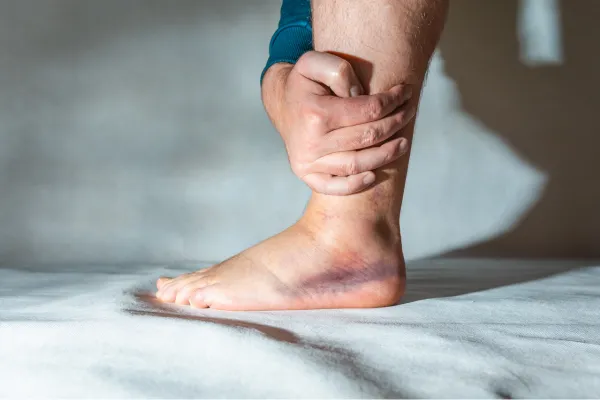
One symptom sometimes associated with advanced liver disease is edema, which refers to swelling caused by fluid buildup in the body's tissues.
This swelling often appears in the feet, ankles, and lower legs. People may notice:
-
Puffy or enlarged ankles
-
Shoes feeling tighter than usual
-
Indentations remaining after pressing the skin
-
Discomfort or heaviness in the legs
This happens because the liver plays an essential role in regulating proteins and fluid balance in the bloodstream. When liver function becomes impaired, the body may struggle to maintain this balance, allowing fluid to leak into surrounding tissues.
Although swollen feet can result from many conditions — including heart issues, kidney problems, or prolonged standing — persistent swelling should always be evaluated by a healthcare professional.
Why Liver Disease Can Affect the Feet
The liver performs hundreds of vital tasks, including:
-
Filtering toxins from the blood
-
Producing proteins that regulate fluid balance
-
Supporting digestion and metabolism
When the liver becomes severely damaged, it may produce lower levels of albumin, a protein that helps keep fluid within blood vessels. Without sufficient albumin, fluid can escape into nearby tissues, causing swelling.
Additionally, advanced liver disease can lead to portal hypertension, a condition where blood pressure increases within the liver’s blood vessels. This may further contribute to fluid buildup in the abdomen and lower limbs.
Because the feet are at the lowest point of the body, fluid often collects there first.
Other Symptoms That May Accompany Advanced Liver Disease


In addition to swelling in the feet, advanced liver disease may sometimes present with other warning signs. These may include:
-
Persistent fatigue or weakness
-
Yellowing of the skin or eyes (jaundice)
-
Abdominal swelling due to fluid buildup
-
Unexplained weight changes
-
Easy bruising or bleeding
It is important to note that these symptoms can also be associated with many other health conditions. Only medical testing can determine the exact cause.
Risk Factors That Increase the Likelihood of Fatty Liver Disease
Several lifestyle and health factors may raise the risk of developing fatty liver disease, including:
-
Obesity or being overweight
-
Type 2 diabetes
-
High cholesterol levels
-
Sedentary lifestyle
-
Excessive alcohol intake
-
Poor dietary habits
In recent years, fatty liver disease has become more common due to increasing rates of metabolic syndrome and lifestyle-related health conditions.
When to Seek Medical Advice

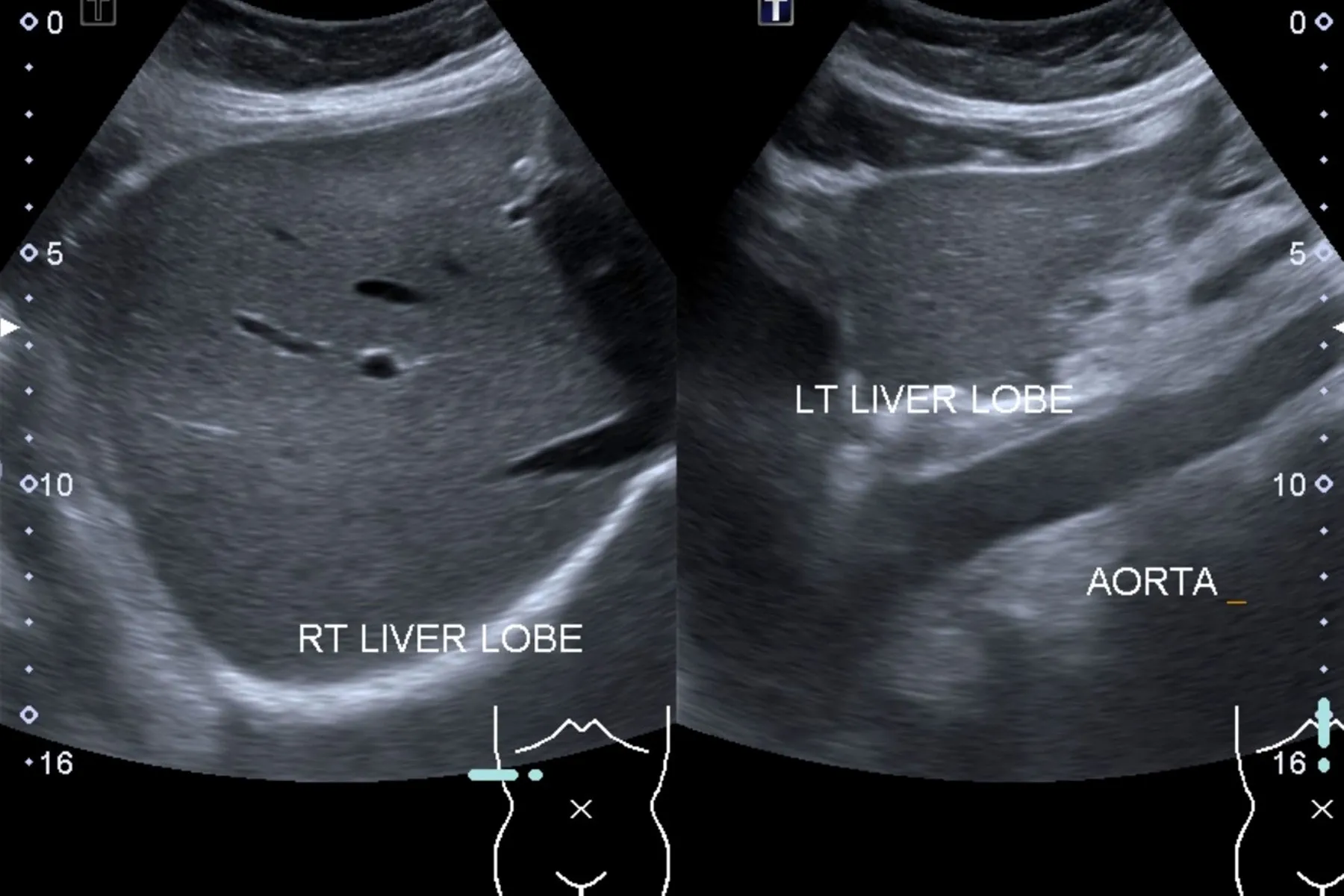

Anyone experiencing persistent swelling in the feet, ankles, or legs should consider seeking medical advice, especially if it appears alongside other unusual symptoms.
Doctors may evaluate liver health through:
-
Blood tests that measure liver enzymes
-
Ultrasound or imaging scans
-
Medical history and lifestyle assessment
Early detection is extremely important. In many cases, lifestyle changes such as improved diet, weight management, and reduced alcohol intake may help slow or even reverse early stages of fatty liver disease.
However, once severe scarring develops, treatment becomes more complex.
Protecting Liver Health
Although fatty liver disease can progress silently, certain habits may help support liver health:
-
Maintaining a balanced diet rich in vegetables and whole foods
-
Exercising regularly
-
Limiting alcohol consumption
-
Managing blood sugar and cholesterol levels
-
Maintaining a healthy weight
Small lifestyle adjustments can have a significant impact on liver function and overall well-being.
Final Thoughts
The body often sends subtle signals when something is wrong. Swelling in the feet may seem like a minor inconvenience, but in some cases it could reflect deeper health issues involving the liver, heart, or kidneys.
Recognizing potential warning signs and seeking medical guidance early can make a major difference. Fatty liver disease is often manageable when detected early, and proactive care can help prevent serious complications later in life.
Listening to the body and taking symptoms seriously is one of the most powerful steps toward maintaining long-term health.