🦶 What Your Feet Might Be Telling You About Your Liver
The liver plays a vital role in detoxification, metabolism, and circulation. When it’s not functioning properly, changes can appear throughout the body—including in your feet.
While these signs don’t confirm disease, they can be early warning clues worth paying attention to.
⚠️ 1. Swollen Feet (Edema)
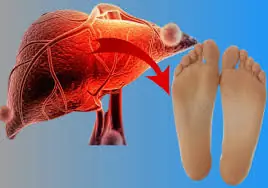
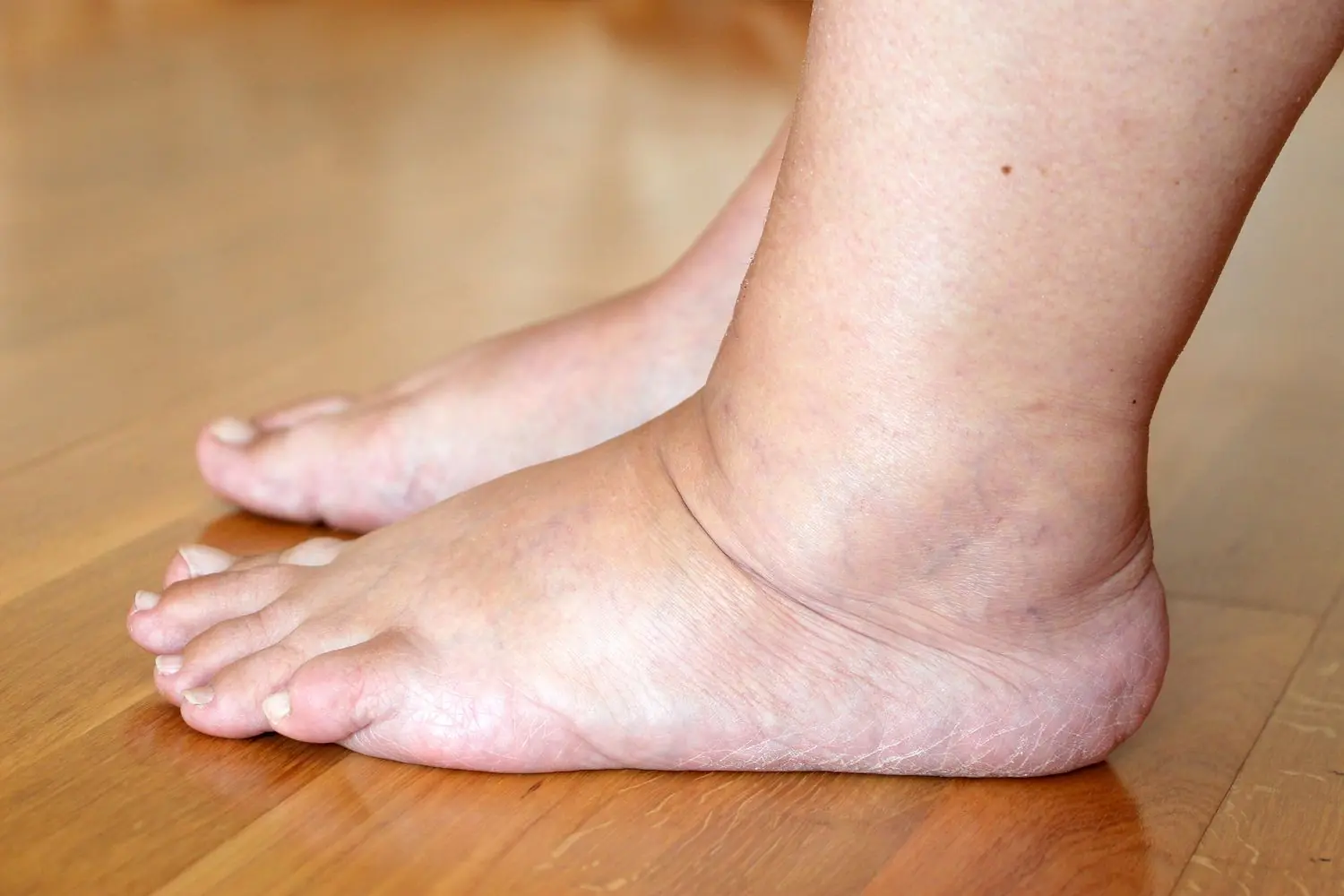
Fluid buildup in the feet and ankles can occur when the liver isn’t producing enough proteins to regulate fluid balance.
This is commonly seen in advanced liver conditions like Cirrhosis.
🟡 2. Yellowing of Skin (Jaundice)
A yellow tint in the skin—including the feet—may indicate:
- Jaundice
This happens when the liver cannot properly process bilirubin.
🕷️ 3. Spider Veins on Feet or Ankles
Small, web-like blood vessels may appear due to:
- Hormonal imbalances
- Liver dysfunction affecting circulation
🔴 4. Red or Blotchy Soles
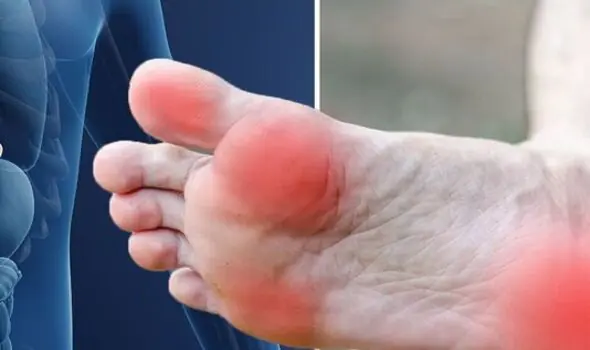
Redness on the soles (similar to palmar erythema in hands) may be linked to liver issues, though it can also have other causes.
🧊 5. Cold or Numb Feet
Poor circulation related to liver problems may lead to:
- Cold sensations
- Tingling or numbness
⚫ 6. Dark Patches or Discoloration
Changes in skin tone on the feet could be associated with metabolic or liver-related conditions.
🧂 7. Persistent Itching
Itchy feet without a clear rash may be caused by bile salt buildup under the skin—a symptom sometimes linked to liver disease.
🩹 8. Easy Bruising
If your feet bruise easily, it may indicate:
- Reduced clotting factors produced by the liver
🧬 9. Cracked Heels That Don’t Heal
Poor healing may be related to:
- Nutritional deficiencies
- Chronic liver dysfunction
⚖️ 10. Unusual Foot Odor
While often harmless, persistent odor could sometimes relate to toxin buildup or metabolic imbalance.
🦠 11. Frequent Fungal Infections
Weakened immunity linked to liver problems may increase susceptibility to infections.
😫 12. Chronic Fatigue with Foot Discomfort
Foot discomfort combined with overall fatigue may signal systemic issues, including liver dysfunction.
🏥 What Experts Say
Medical organizations like:
- Mayo Clinic
- National Health Service
- American Liver Foundation
emphasize that liver disease is diagnosed through medical tests—not just physical signs.
✅ Final Takeaway
Your feet can offer useful clues, but they are not a diagnosis.
👉 If you notice persistent swelling, discoloration, or unusual symptoms—especially alongside fatigue, jaundice, or abdominal issues—seek medical advice promptly.
Your body often sends signals early—the key is knowing when to pay attention.
What Your Feet Might Be Telling You About Your Liver: More Hidden Connections, Warning Signs, and What to Do Next
13. Why Can a Problem in the Liver Affect the Feet?
At first glance, the liver and feet may seem to have very little in common.
The liver sits in the upper-right part of the abdomen, while the feet are among the farthest parts of the body from this organ.
Yet the liver performs functions that influence almost every organ system. It helps regulate proteins, processes nutrients, produces bile, metabolizes medications, and creates many substances involved in blood clotting.
When liver function becomes seriously impaired, the effects can extend throughout the body.
The feet and ankles may show some of these changes because fluid balance, circulation, skin health, and nerve function are all connected to broader metabolic processes.
The Role of Albumin
One important protein produced by the liver is albumin.
Albumin helps maintain the balance of fluid between blood vessels and surrounding tissues.
When advanced liver disease reduces albumin production, fluid may move more easily out of blood vessels and accumulate in tissues.
This can contribute to swelling, particularly in the lower legs and ankles.
However, low albumin is not exclusive to liver disease. Kidney disease, poor nutrition, inflammation, and certain other conditions can also reduce albumin levels.
The Role of Blood Clotting Proteins
The liver produces many proteins needed for normal blood clotting.
When severe liver dysfunction affects their production, a person may develop an increased tendency to bruise or bleed.
This can sometimes become noticeable after minor injuries to the feet or legs.
However, easy bruising also has many other causes, including medications, low platelet counts, and blood disorders.
The Role of Bile
The liver produces bile, which helps the body digest and absorb dietary fats.
When bile flow becomes impaired, substances such as bilirubin and bile-related compounds may accumulate in the body.
This can cause jaundice and, in some conditions, intense itching.
The itching may affect the palms and soles, although it can also involve other areas of the body.
Understanding these connections helps explain why certain foot symptoms can occur in people with advanced liver disease.
It does not mean that every foot problem originates in the liver.