 It was their home.
Their livelihood.
Their history.
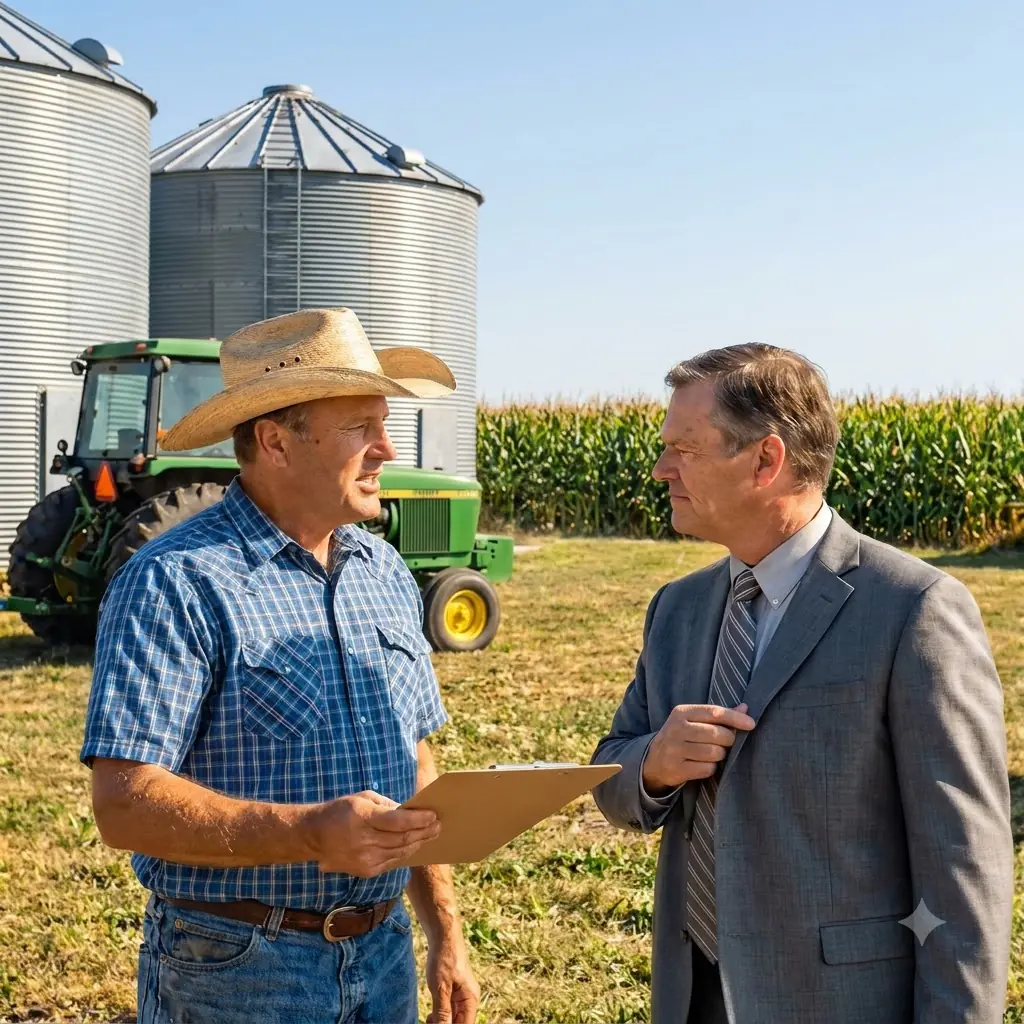
And for Thomas Miller, a seasoned farmer in his late sixties, every corner of the farm carried a memory.
He had learned to walk between these fields before he could read.
His father had taught him how to plant corn.
His grandfather had taught him how to understand the soil.
And now, after decades of hard work, Thomas had hoped to pass the farm down to his children.
But that morning, a black sedan drove slowly up the dirt road.
It stopped beside the farmhouse.
A man in a sharply tailored gray suit stepped out.
He carried a leather briefcase in one hand and a thick folder under his arm.
Two other people followed him.
Thomas watched them approach.
He knew exactly why they were there.
For months, he had been fighting to keep the farm.
A devastating drought followed by severe storms had destroyed much of his crop.
The harvest that year had been almost worthless.
He had lost thousands of dollars.
Then came the bank notices.
First, a warning.
Then a demand for payment.
Then a foreclosure notice.
Thomas had requested an extension.
He had explained the weather conditions.
He had shown photographs of the damaged crops.
He had provided agricultural reports proving that the disaster wasn't caused by negligence.
But the bank had refused.
The loan was overdue.
The contract had been signed.
And according to the bank, that was the end of the discussion.
The man in the gray suit stopped several feet away.
"Mr. Miller?"
Thomas nodded.
"That's me."
The man opened his folder.
"My name is Richard Hayes. I'm representing First County Bank."
Thomas glanced at the documents.
"I know why you're here."
Richard's expression was firm.
"Then I'll make this simple."
He pulled out a clipboard.
"It's over."
Thomas said nothing.
Richard continued.
"We've come to take possession of the farm."
The words hung in the air.
Thomas looked across his fields.
He saw the old barn.
The tractor.
The rows of corn.
The farmhouse where he had raised his children.
Then he looked back at Richard.
"You've made your decision."
Richard nodded.
"The bank has followed the legal process."
Thomas remained calm.
"You signed the contract," Richard said. "So did the bank. Nobody beats the bank."
One of the other representatives stepped forward.
"You'll need to begin vacating the property."
Thomas looked at him.
"When?"
"Immediately."
Thomas nodded slowly.
"All right."
Richard seemed surprised by the lack of resistance.
"No argument?"
Thomas shook his head.
"Not yet."
Richard frowned.
"What does that mean?"
Thomas smiled faintly.
"It means I'm listening."
Richard opened the folder.
"The farm was used as collateral for the agricultural loan. You failed to make the required payments."
Thomas nodded.
"I know."
"The foreclosure process has been approved."
Thomas nodded again.
"I know."
"Then you understand that we have the legal authority to take possession."
Thomas looked at the clipboard.
"Do you have the original contract?"
Richard hesitated.
"Of course."
"Then read it."
Richard frowned.
"I've already reviewed it."
"Read it again."
Richard's expression hardened.
"Mr. Miller, this isn't a negotiation."
Thomas smiled.
"Neither is a contract."
The bank representative sighed.
He flipped through the pages.
"Fine."
He began reading.
"Loan agreement dated March 14..."
Thomas stood quietly.
Richard continued reading the standard clauses.
Payment schedules.
Interest rates.
Collateral.
Default conditions.
Foreclosure procedures.
Everything seemed to support the bank.
Richard's confidence returned.
"You see?"
He looked at Thomas.
"There's nothing here that changes the situation."
Thomas pointed toward the document.
"Keep reading."
Richard frowned.
He turned another page.
Then another.
Finally, he reached the section marked
Clause 27.
His voice slowed.
"Clause 27..."
He began reading.
Then stopped.
His eyebrows drew together.
He read it again.
Thomas watched him carefully.
Richard's confident expression began to disappear.
"What is this?"
Thomas said nothing.
Richard continued reading.
His face became pale.
"This can't be."
The other bank representative stepped closer.
"What?"
Richard stared at the contract.
"Clause 27."
He pointed at the page.
"It says the lender waives the right of foreclosure under specific agricultural disaster conditions."
Thomas nodded.
"That's correct."
Richard looked up sharply.
"But this loan isn't supposed to have that provision."
Thomas smiled.
"It does."
Richard shook his head.
"Who put this clause in?"
Thomas tapped his temple lightly with his index finger.
"I did."
Richard stared at him.
"You?"
Thomas nodded.
"I read the entire contract before signing it."
Richard looked back at the page.
The clause clearly stated that if the farm suffered substantial crop losses due to a federally recognized climate or natural disaster, the borrower would be entitled to a temporary suspension of foreclosure proceedings.
The bank had agreed to the clause years earlier.
It had simply never expected anyone to invoke it.
Richard flipped through the pages rapidly.
"But..."
Thomas interrupted.
"The drought and storms were officially declared a climate disaster."
Richard's face fell.
Thomas reached into his jacket and pulled out a folder.
"I brought copies."
He handed the documents to Richard.
"Government disaster declaration."
Richard looked at the first page.
"Crop loss assessment."
He looked at the second.
"Insurance report."
Another page.
"Independent agricultural damage report."
It was their home.
Their livelihood.
Their history.
And for Thomas Miller, a seasoned farmer in his late sixties, every corner of the farm carried a memory.
He had learned to walk between these fields before he could read.
His father had taught him how to plant corn.
His grandfather had taught him how to understand the soil.
And now, after decades of hard work, Thomas had hoped to pass the farm down to his children.
But that morning, a black sedan drove slowly up the dirt road.
It stopped beside the farmhouse.
A man in a sharply tailored gray suit stepped out.
He carried a leather briefcase in one hand and a thick folder under his arm.
Two other people followed him.
Thomas watched them approach.
He knew exactly why they were there.
For months, he had been fighting to keep the farm.
A devastating drought followed by severe storms had destroyed much of his crop.
The harvest that year had been almost worthless.
He had lost thousands of dollars.
Then came the bank notices.
First, a warning.
Then a demand for payment.
Then a foreclosure notice.
Thomas had requested an extension.
He had explained the weather conditions.
He had shown photographs of the damaged crops.
He had provided agricultural reports proving that the disaster wasn't caused by negligence.
But the bank had refused.
The loan was overdue.
The contract had been signed.
And according to the bank, that was the end of the discussion.
The man in the gray suit stopped several feet away.
"Mr. Miller?"
Thomas nodded.
"That's me."
The man opened his folder.
"My name is Richard Hayes. I'm representing First County Bank."
Thomas glanced at the documents.
"I know why you're here."
Richard's expression was firm.
"Then I'll make this simple."
He pulled out a clipboard.
"It's over."
Thomas said nothing.
Richard continued.
"We've come to take possession of the farm."
The words hung in the air.
Thomas looked across his fields.
He saw the old barn.
The tractor.
The rows of corn.
The farmhouse where he had raised his children.
Then he looked back at Richard.
"You've made your decision."
Richard nodded.
"The bank has followed the legal process."
Thomas remained calm.
"You signed the contract," Richard said. "So did the bank. Nobody beats the bank."
One of the other representatives stepped forward.
"You'll need to begin vacating the property."
Thomas looked at him.
"When?"
"Immediately."
Thomas nodded slowly.
"All right."
Richard seemed surprised by the lack of resistance.
"No argument?"
Thomas shook his head.
"Not yet."
Richard frowned.
"What does that mean?"
Thomas smiled faintly.
"It means I'm listening."
Richard opened the folder.
"The farm was used as collateral for the agricultural loan. You failed to make the required payments."
Thomas nodded.
"I know."
"The foreclosure process has been approved."
Thomas nodded again.
"I know."
"Then you understand that we have the legal authority to take possession."
Thomas looked at the clipboard.
"Do you have the original contract?"
Richard hesitated.
"Of course."
"Then read it."
Richard frowned.
"I've already reviewed it."
"Read it again."
Richard's expression hardened.
"Mr. Miller, this isn't a negotiation."
Thomas smiled.
"Neither is a contract."
The bank representative sighed.
He flipped through the pages.
"Fine."
He began reading.
"Loan agreement dated March 14..."
Thomas stood quietly.
Richard continued reading the standard clauses.
Payment schedules.
Interest rates.
Collateral.
Default conditions.
Foreclosure procedures.
Everything seemed to support the bank.
Richard's confidence returned.
"You see?"
He looked at Thomas.
"There's nothing here that changes the situation."
Thomas pointed toward the document.
"Keep reading."
Richard frowned.
He turned another page.
Then another.
Finally, he reached the section marked
Clause 27.
His voice slowed.
"Clause 27..."
He began reading.
Then stopped.
His eyebrows drew together.
He read it again.
Thomas watched him carefully.
Richard's confident expression began to disappear.
"What is this?"
Thomas said nothing.
Richard continued reading.
His face became pale.
"This can't be."
The other bank representative stepped closer.
"What?"
Richard stared at the contract.
"Clause 27."
He pointed at the page.
"It says the lender waives the right of foreclosure under specific agricultural disaster conditions."
Thomas nodded.
"That's correct."
Richard looked up sharply.
"But this loan isn't supposed to have that provision."
Thomas smiled.
"It does."
Richard shook his head.
"Who put this clause in?"
Thomas tapped his temple lightly with his index finger.
"I did."
Richard stared at him.
"You?"
Thomas nodded.
"I read the entire contract before signing it."
Richard looked back at the page.
The clause clearly stated that if the farm suffered substantial crop losses due to a federally recognized climate or natural disaster, the borrower would be entitled to a temporary suspension of foreclosure proceedings.
The bank had agreed to the clause years earlier.
It had simply never expected anyone to invoke it.
Richard flipped through the pages rapidly.
"But..."
Thomas interrupted.
"The drought and storms were officially declared a climate disaster."
Richard's face fell.
Thomas reached into his jacket and pulled out a folder.
"I brought copies."
He handed the documents to Richard.
"Government disaster declaration."
Richard looked at the first page.
"Crop loss assessment."
He looked at the second.
"Insurance report."
Another page.
"Independent agricultural damage report."
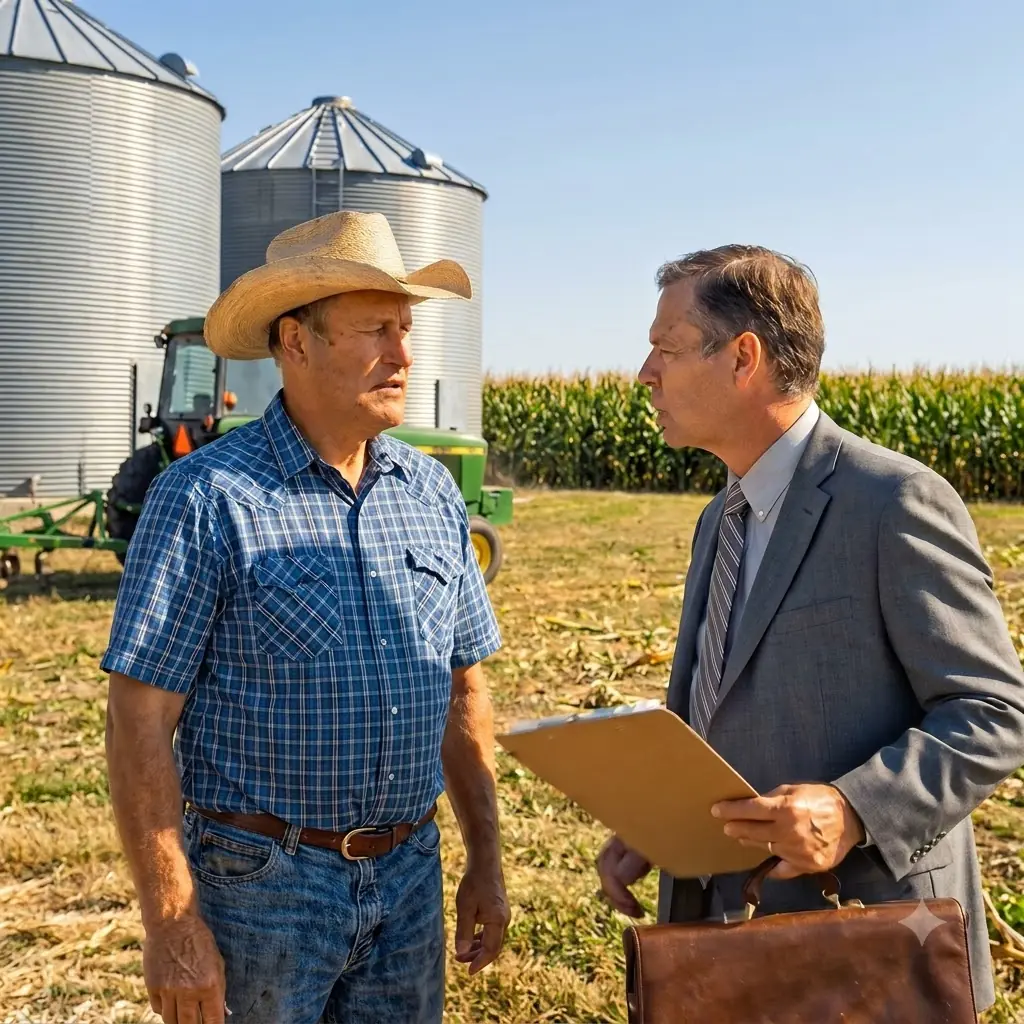 Thomas folded his arms.
"Everything is documented."
Richard's confidence was gone.
"But the bank sent you multiple foreclosure notices."
"I know."
"And you didn't respond?"
Thomas smiled.
"I did."
Richard frowned.
"When?"
Thomas pointed toward his folder.
"Every response cited Clause 27."
Richard looked at his colleagues.
None of them spoke.
Thomas continued.
"Your automated system rejected my appeals."
He shrugged.
"Apparently, nobody read them either."
The silence became uncomfortable.
One of the junior bank employees looked embarrassed.
"Mr. Hayes..."
Richard raised his hand.
"Don't."
He stared at the contract.
The entire foreclosure case they had considered airtight was collapsing because of a single paragraph.
Thomas hadn't cheated.
He hadn't bribed anyone.
He hadn't hired an expensive legal team.
He had simply read the agreement carefully.
Richard finally looked up.
"So you're saying the foreclosure is invalid?"
Thomas nodded.
"Annulled under the terms of your own contract."
Richard shook his head.
"This is unbelievable."
Thomas smiled.
"No."
He pointed at the contract.
"It's written right there."
Richard looked at him.
"You knew this all along."
Thomas nodded.
"I knew the moment I received the foreclosure notice."
"Then why didn't you tell us?"
Thomas smiled.
"I did."
Richard became silent.
Thomas continued.
"I sent three letters."
He paused.
"Nobody responded."
The irony was impossible to ignore.
The bank had been so confident in its authority that it had failed to listen to the person standing directly in front of it.
Thomas picked up the contract.
"You thought I was an old farmer who didn't understand paperwork."
Richard lowered his eyes.
Thomas wasn't angry.
That somehow made his words more powerful.
"I may not know everything about banking."
He looked across his fields.
"But I know my land."
He turned back.
"And I know what I sign."
Richard slowly closed the folder.
"So what happens now?"
Thomas answered calmly.
"The farm stays mine."
The bank representative nodded reluctantly.
"Yes."
Richard looked toward the fields.
"You've won."
Thomas shook his head.
"I didn't win."
He looked at the contract.
"You simply tried to enforce a contract without reading it carefully enough."
The bank representatives began gathering their documents.
Before leaving, Richard stopped.
"Mr. Miller."
Thomas looked at him.
"I owe you an apology."
Thomas raised an eyebrow.
Richard continued.
"I assumed you didn't understand the legal terms."
Thomas smiled.
"Most people do."
"How did you learn to read contracts like that?"
Thomas laughed quietly.
"My father."
"Was he a lawyer?"
Thomas shook his head.
"No."
"A banker?"
"No."
Thomas looked toward the old farmhouse.
"He was a farmer."
Richard smiled faintly.
"What did he teach you?"
Thomas answered:
"He told me that when someone hands you a contract, never sign it just because you trust them."
He paused.
"Read every word."
Richard nodded.
"Good advice."
Thomas smiled.
"Especially when someone tells you that you don't have a choice."
The bank representatives finally walked back toward their cars.
Thomas watched them leave.
For several moments, he stood completely still.
Then he looked across his farm.
The fields were still damaged.
The financial problems hadn't magically disappeared.
There was still work to do.
There were still bills to pay.
There would still be difficult seasons ahead.
But the land was still his.
And that meant everything.
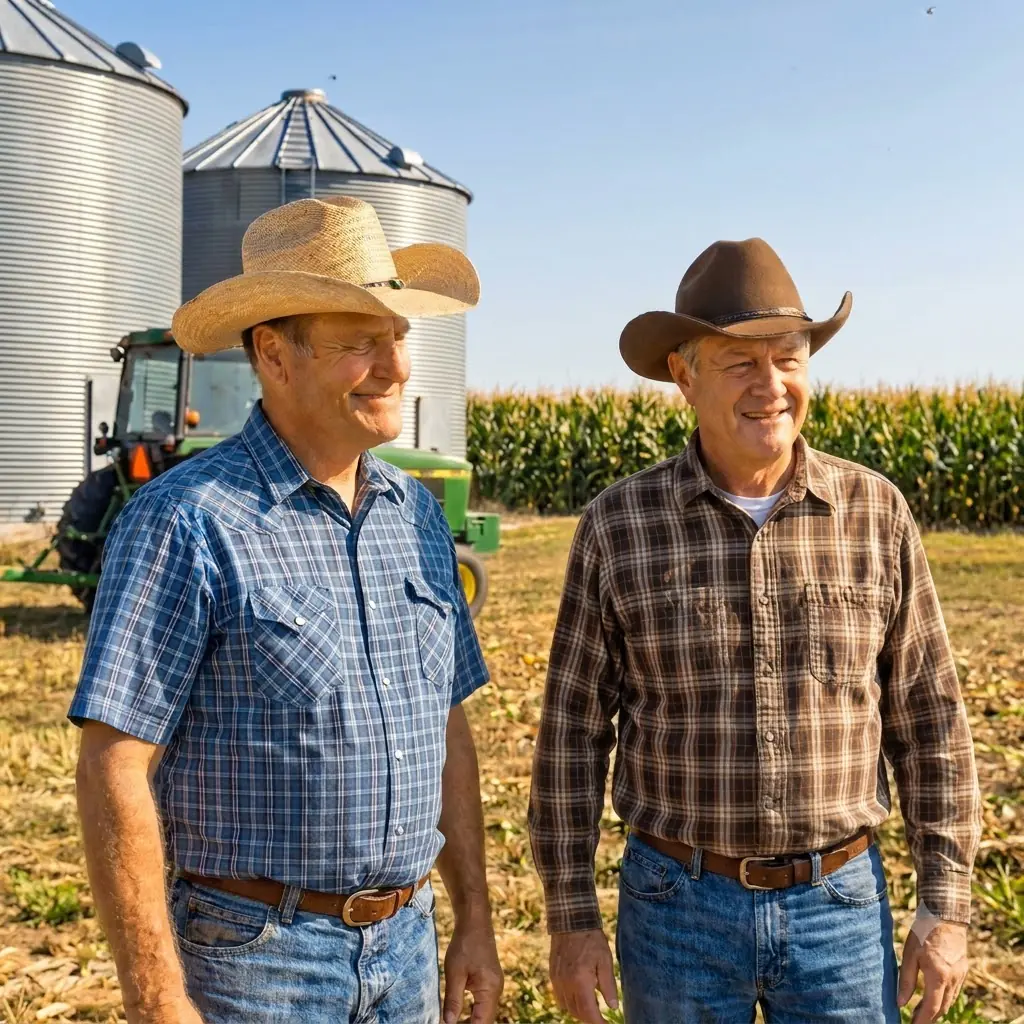
Later that afternoon, Thomas stood near the edge of the property with his longtime friend Sam, another farmer who had worked the neighboring land for decades.
Sam wore a brown cowboy hat and leaned against the fence.
"So..."
Thomas smiled.
"What?"
"That was quite a morning."
Thomas laughed.
"Yeah."
Sam looked toward the farmhouse.
"So the farm is still yours?"
Thomas looked across the fields.
The golden sunlight was beginning to settle over the corn.
The silver silos glowed in the distance.
The tractor sat quietly beside the barn.
Thomas nodded.
"Still mine."
Sam smiled.
"I knew you wouldn't give it up that easily."
Thomas shook his head.
"I almost did."
Sam looked surprised.
"What stopped you?"
Thomas pulled the contract from his folder.
"This."
Sam laughed.
"You saved the farm with paperwork?"
Thomas smiled.
"With reading."
Sam looked at him.
"Reading?"
Thomas nodded.
"Sometimes the most important thing you can do is slow down enough to understand what someone is asking you to sign."
He looked toward the fields.
"I spent my whole life learning how to plant seeds."
He paused.
"But my father taught me something else."
"What?"
"Never harvest a contract before you've read the fine print."
Sam laughed.
Thomas smiled.
Then his expression became thoughtful.
"You know, people think success always comes from working harder."
Sam nodded.
"Isn't that true?"
"Sometimes."
Thomas looked across the land.
"But hard work isn't enough if you don't understand the rules you're playing by."
He tapped the contract.
"Knowledge matters."
He paused.
"Attention matters."
"And knowing your rights matters."
Sam nodded slowly.
Thomas continued.
"I didn't save this farm because I was smarter than the bank."
He smiled.
"I saved it because I took the time to read what I had agreed to."
The sun began disappearing behind the horizon.
The fields turned golden.
The farm was quiet again.
For the first time in months, Thomas felt a deep sense of relief.
His problems weren't gone.
But his future was still his to fight for.
He looked toward the farmhouse where generations of his family had lived.
Then he smiled.
"Sometimes," he said quietly, "the greatest harvest doesn't come from the field."
Sam looked at him.
"Where does it come from?"
Thomas held up the contract.
"From a single page read all the way to the end."
Sam smiled.
And as the two farmers stood together watching the sunset, Thomas realized that the lesson was bigger than one farm.
It was about every person who had ever been told they were too ordinary to understand something complicated.
Every person who had signed something without reading it.
Every person who had trusted someone else's explanation instead of discovering the truth for themselves.
Power doesn't always belong to the person wearing the most expensive suit.
Sometimes it belongs to the person who takes the time to read the smallest words on the page.
And sometimes, the difference between losing everything and keeping what you built with your own hands comes down to one simple habit:
Thomas folded his arms.
"Everything is documented."
Richard's confidence was gone.
"But the bank sent you multiple foreclosure notices."
"I know."
"And you didn't respond?"
Thomas smiled.
"I did."
Richard frowned.
"When?"
Thomas pointed toward his folder.
"Every response cited Clause 27."
Richard looked at his colleagues.
None of them spoke.
Thomas continued.
"Your automated system rejected my appeals."
He shrugged.
"Apparently, nobody read them either."
The silence became uncomfortable.
One of the junior bank employees looked embarrassed.
"Mr. Hayes..."
Richard raised his hand.
"Don't."
He stared at the contract.
The entire foreclosure case they had considered airtight was collapsing because of a single paragraph.
Thomas hadn't cheated.
He hadn't bribed anyone.
He hadn't hired an expensive legal team.
He had simply read the agreement carefully.
Richard finally looked up.
"So you're saying the foreclosure is invalid?"
Thomas nodded.
"Annulled under the terms of your own contract."
Richard shook his head.
"This is unbelievable."
Thomas smiled.
"No."
He pointed at the contract.
"It's written right there."
Richard looked at him.
"You knew this all along."
Thomas nodded.
"I knew the moment I received the foreclosure notice."
"Then why didn't you tell us?"
Thomas smiled.
"I did."
Richard became silent.
Thomas continued.
"I sent three letters."
He paused.
"Nobody responded."
The irony was impossible to ignore.
The bank had been so confident in its authority that it had failed to listen to the person standing directly in front of it.
Thomas picked up the contract.
"You thought I was an old farmer who didn't understand paperwork."
Richard lowered his eyes.
Thomas wasn't angry.
That somehow made his words more powerful.
"I may not know everything about banking."
He looked across his fields.
"But I know my land."
He turned back.
"And I know what I sign."
Richard slowly closed the folder.
"So what happens now?"
Thomas answered calmly.
"The farm stays mine."
The bank representative nodded reluctantly.
"Yes."
Richard looked toward the fields.
"You've won."
Thomas shook his head.
"I didn't win."
He looked at the contract.
"You simply tried to enforce a contract without reading it carefully enough."
The bank representatives began gathering their documents.
Before leaving, Richard stopped.
"Mr. Miller."
Thomas looked at him.
"I owe you an apology."
Thomas raised an eyebrow.
Richard continued.
"I assumed you didn't understand the legal terms."
Thomas smiled.
"Most people do."
"How did you learn to read contracts like that?"
Thomas laughed quietly.
"My father."
"Was he a lawyer?"
Thomas shook his head.
"No."
"A banker?"
"No."
Thomas looked toward the old farmhouse.
"He was a farmer."
Richard smiled faintly.
"What did he teach you?"
Thomas answered:
"He told me that when someone hands you a contract, never sign it just because you trust them."
He paused.
"Read every word."
Richard nodded.
"Good advice."
Thomas smiled.
"Especially when someone tells you that you don't have a choice."
The bank representatives finally walked back toward their cars.
Thomas watched them leave.
For several moments, he stood completely still.
Then he looked across his farm.
The fields were still damaged.
The financial problems hadn't magically disappeared.
There was still work to do.
There were still bills to pay.
There would still be difficult seasons ahead.
But the land was still his.
And that meant everything.
Later that afternoon, Thomas stood near the edge of the property with his longtime friend Sam, another farmer who had worked the neighboring land for decades.
Sam wore a brown cowboy hat and leaned against the fence.
"So..."
Thomas smiled.
"What?"
"That was quite a morning."
Thomas laughed.
"Yeah."
Sam looked toward the farmhouse.
"So the farm is still yours?"
Thomas looked across the fields.
The golden sunlight was beginning to settle over the corn.
The silver silos glowed in the distance.
The tractor sat quietly beside the barn.
Thomas nodded.
"Still mine."
Sam smiled.
"I knew you wouldn't give it up that easily."
Thomas shook his head.
"I almost did."
Sam looked surprised.
"What stopped you?"
Thomas pulled the contract from his folder.
"This."
Sam laughed.
"You saved the farm with paperwork?"
Thomas smiled.
"With reading."
Sam looked at him.
"Reading?"
Thomas nodded.
"Sometimes the most important thing you can do is slow down enough to understand what someone is asking you to sign."
He looked toward the fields.
"I spent my whole life learning how to plant seeds."
He paused.
"But my father taught me something else."
"What?"
"Never harvest a contract before you've read the fine print."
Sam laughed.
Thomas smiled.
Then his expression became thoughtful.
"You know, people think success always comes from working harder."
Sam nodded.
"Isn't that true?"
"Sometimes."
Thomas looked across the land.
"But hard work isn't enough if you don't understand the rules you're playing by."
He tapped the contract.
"Knowledge matters."
He paused.
"Attention matters."
"And knowing your rights matters."
Sam nodded slowly.
Thomas continued.
"I didn't save this farm because I was smarter than the bank."
He smiled.
"I saved it because I took the time to read what I had agreed to."
The sun began disappearing behind the horizon.
The fields turned golden.
The farm was quiet again.
For the first time in months, Thomas felt a deep sense of relief.
His problems weren't gone.
But his future was still his to fight for.
He looked toward the farmhouse where generations of his family had lived.
Then he smiled.
"Sometimes," he said quietly, "the greatest harvest doesn't come from the field."
Sam looked at him.
"Where does it come from?"
Thomas held up the contract.
"From a single page read all the way to the end."
Sam smiled.
And as the two farmers stood together watching the sunset, Thomas realized that the lesson was bigger than one farm.
It was about every person who had ever been told they were too ordinary to understand something complicated.
Every person who had signed something without reading it.
Every person who had trusted someone else's explanation instead of discovering the truth for themselves.
Power doesn't always belong to the person wearing the most expensive suit.
Sometimes it belongs to the person who takes the time to read the smallest words on the page.
And sometimes, the difference between losing everything and keeping what you built with your own hands comes down to one simple habit:
 Read before you sign.Understand before you surrender.And never assume that someone else's confidence means they are right.Because sometimes, the person everyone underestimates is the one who noticed what everyone else overlooked.