What Happens to Your Body When You Eat Chia Seeds Regularly?
Just 2 Tablespoons a Day: The Powerful Effects of Chia Seeds
Health 27/03/2026 14:00
Japanese honeysuckle, scientifically known as Lonicera japonica, is a fragrant flowering plant widely appreciated not only for its beauty but also for its long history in traditional wellness practices. Commonly used in herbal medicine, especially in East Asia, this plant is valued for its potential health-supporting properties and its versatility in everyday home applications.
While modern science continues to study its effects, Japanese honeysuckle has been used for centuries as a natural remedy and household resource. Let’s explore how this humble plant can contribute to both health and daily living.
Japanese honeysuckle contains a variety of bioactive compounds, including flavonoids, saponins, and organic acids. These components are believed to contribute to its potential health-supporting effects.
Traditionally, it has been used in teas, extracts, and topical applications due to its:
These characteristics make it a popular ingredient in herbal remedies aimed at supporting overall well-being.
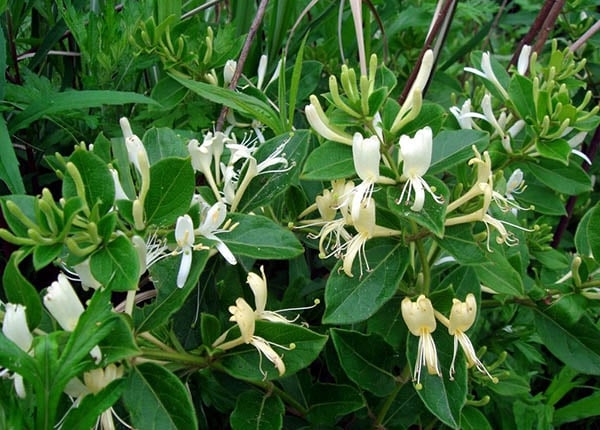
One of the most recognized benefits of Japanese honeysuckle is its role in supporting immune health. In traditional practices, honeysuckle tea is often consumed during seasonal changes to help the body adapt and maintain balance.
Its antioxidant content may:
While it is not a substitute for medical treatment, it can be a gentle addition to a healthy lifestyle.
Japanese honeysuckle is also commonly used in skincare due to its soothing and cleansing properties.
When applied topically (in diluted form), it may:
It is sometimes included in natural skincare products such as toners, creams, and facial washes.
Honeysuckle tea is often consumed for its calming qualities. Its mild aroma and natural compounds can create a sense of relaxation, making it a popular choice for unwinding after a long day.
Drinking warm herbal tea made from honeysuckle flowers may:
This makes it a suitable addition to evening routines.
In traditional herbal practices, Japanese honeysuckle has been used to support respiratory health.
It is believed to:
Warm honeysuckle tea is often used as a natural way to ease mild throat irritation.

Japanese honeysuckle has historically been associated with “cleansing” properties in traditional medicine systems. While the body already has its own detoxification systems, certain herbal teas are believed to support these processes.
Regular, moderate consumption may:
However, it’s important to approach such claims with a balanced perspective and not rely solely on herbal remedies.
Beyond its potential health benefits, Japanese honeysuckle can also be used in simple and practical ways at home.
Dried honeysuckle flowers can be steeped in hot water to create a light, fragrant tea. This is one of the most common and accessible uses.
Its pleasant scent makes it a natural option for freshening indoor spaces. Fresh or dried flowers can be placed in rooms or used in homemade potpourri.
Honeysuckle-infused water can be used as a gentle facial rinse or added to bathwater for a soothing experience.
As a climbing plant with fragrant blooms, it is often used to decorate fences, balconies, or garden spaces, enhancing both aesthetics and atmosphere.
While Japanese honeysuckle offers many potential benefits, it should be used thoughtfully:
Moderation and informed use are key to safety.
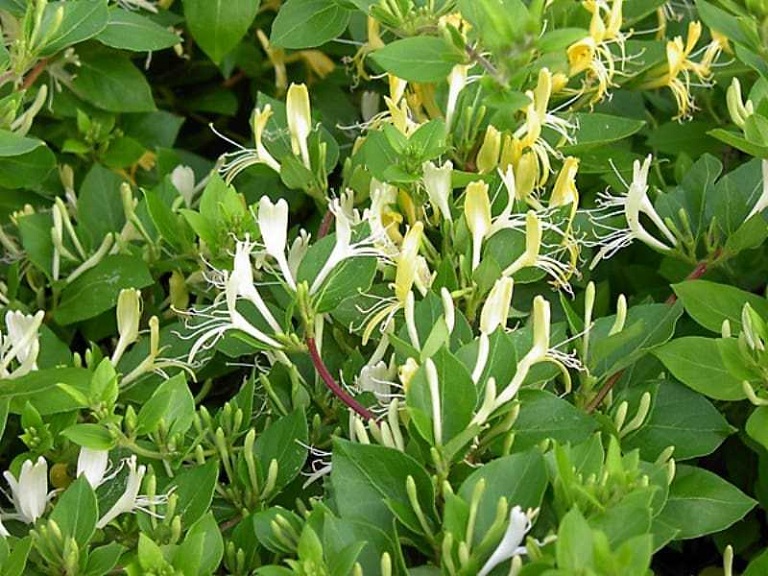
Japanese honeysuckle is more than just a beautiful flowering plant - it is a versatile natural resource with a long history in traditional wellness and home care. From supporting relaxation and skin health to serving as a fragrant addition to your living space, it offers a range of practical benefits.
By understanding how to use it safely and effectively, you can incorporate Japanese honeysuckle into your daily routine as a gentle, natural complement to modern living. Sometimes, the simplest plants carry the most surprising value.
Just 2 Tablespoons a Day: The Powerful Effects of Chia Seeds

5 Warning Signs Your Colon Might Be in Danger
Turmeric Water: Hype or Health Miracle? Here’s What Science Says
10 Powerful Health Benefits of Avocados You Can’t Afford to Ignore

Understanding fat.ty liver disease: its causes, warning signs, and how to manage it
4 Groups of People Who Should Never Eat Garlic

An affordable vegetable that offers high nutritional value and plenty of calcium

Doctors advise that feeling your heartbeat at rest could be linked to an underlying health issue

The Effects of Coconut Water on Your Kidney Health

We often assume that sleep only “belongs” to the night. Yet, the truth is that humans are naturally designed to rest in short intervals throughout the day—just like many animals that nap in small bursts to stay alert and energized.
Ginger is often celebrated for its powerful anti-inflammatory and digestive benefits. It’s a popular home remedy for nausea, colds, and muscle pain — and for most people, it’s perfectly safe.

The One Morning Habit Sleep Doctors Say You Should NEVER Do

Luffa, also known as sponge gourd, is a highly nutritious vegetable that has long been valued in traditional diets for its wide range of health benefits.

Warning Signs Your Body Might Be Developing Cancer
Bladder Cancer: 5 Symptoms You Need to Watch For

Physicians caution that daily habits may contribute to kidney dam.age earlier in life
How Many Eggs a Day Is Actually Healthy?

A simple cough could mean more than you think

These 4 drinks may help dissolve kidney stones naturally
Just 2 Tablespoons a Day: The Powerful Effects of Chia Seeds

Why does eating trigger the urge to use the bathroom in some people?
Eating Walnuts Can Do This to Your Body…See How
5 Warning Signs Your Colon Might Be in Danger
Turmeric Water: Hype or Health Miracle? Here’s What Science Says
10 Powerful Health Benefits of Avocados You Can’t Afford to Ignore
Understanding fat.ty liver disease: its causes, warning signs, and how to manage it
4 Groups of People Who Should Never Eat Garlic
An affordable vegetable that offers high nutritional value and plenty of calcium
Doctors advise that feeling your heartbeat at rest could be linked to an underlying health issue
The Effects of Coconut Water on Your Kidney Health
What Raw Cabbage Could Be Doing to Your Body
We often assume that sleep only “belongs” to the night. Yet, the truth is that humans are naturally designed to rest in short intervals throughout the day—just like many animals that nap in small bursts to stay alert and energized.
Ginger is often celebrated for its powerful anti-inflammatory and digestive benefits. It’s a popular home remedy for nausea, colds, and muscle pain — and for most people, it’s perfectly safe.
The One Morning Habit Sleep Doctors Say You Should NEVER Do
Luffa, also known as sponge gourd, is a highly nutritious vegetable that has long been valued in traditional diets for its wide range of health benefits.
Warning Signs Your Body Might Be Developing Cancer
Bladder Cancer: 5 Symptoms You Need to Watch For
Physicians caution that daily habits may contribute to kidney dam.age earlier in life