The Effects of Mimosa Leaves
Mimosa leaves, especially those of Mimosa pudica, have long been valued in both traditional medicine and scientific research for their diverse biological and ecological effects. Commonly known as the “sensitive plant” due to its rapid leaf-folding response when touched, Mimosa pudica is native to tropical regions and widely distributed across Asia, Africa, and the Americas. Beyond its fascinating movement, the plant has gained recognition for its potential therapeutic, environmental, and biochemical properties.
1. Phytochemical Composition

The effects of mimosa leaves are largely attributed to their rich chemical profile. Studies have identified key bioactive compounds including flavonoids, alkaloids, tannins, glycosides, and phenolic compounds. These substances are well known in the field of Pharmacology for their antioxidant, antimicrobial, and anti-inflammatory activities. For example, tannins contribute to wound healing by promoting tissue contraction, while flavonoids help neutralize harmful free radicals.
2. Medicinal and Therapeutic Effects
Mimosa leaves have been used for centuries in traditional healing systems such as Ayurveda and folk medicine.
- Wound healing: Crushed leaves are often applied topically to cuts and burns to accelerate recovery and prevent infection.
- Anti-inflammatory effects: Extracts may help reduce swelling and pain, making them useful in treating minor injuries and inflammatory conditions.
- Antimicrobial properties: Laboratory studies show that mimosa leaf extracts can inhibit the growth of certain bacteria and fungi.
- Gastrointestinal support: In some traditions, mimosa is used to manage diarrhea and intestinal discomfort due to its astringent qualities.
Research published through organizations such as National Center for Biotechnology Information suggests that these effects are linked to the plant’s complex phytochemistry, although more clinical trials are needed for confirmation.
3. Neurological and Psychological Effects
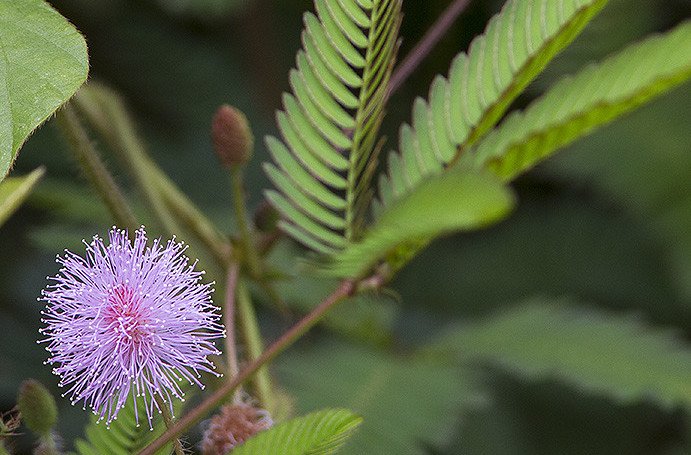
Mimosa leaves are also associated with calming and sedative properties. In traditional use, they are sometimes prepared as herbal infusions to support relaxation, reduce anxiety, and improve sleep quality. Preliminary studies indicate that certain compounds may influence neurotransmitter activity, potentially offering mild support for stress-related conditions. However, these effects remain under investigation and are not yet fully validated in modern medicine.
4. Ecological and Environmental Role
From an ecological perspective, mimosa plants play a dual role:
- Soil enrichment: As a legume, Mimosa pudica participates in nitrogen fixation, improving soil fertility and supporting agricultural systems.
- Biodiversity impact: In some regions, it is considered invasive, spreading rapidly and competing with native plant species.
Its unique leaf movement is also studied in Plant physiology as an example of rapid plant response mechanisms, helping scientists better understand plant signaling and adaptation.
5. Safety and Considerations
Despite its benefits, the use of mimosa leaves should be approached carefully. Overconsumption or improper preparation may lead to unwanted side effects. There is limited data on long-term safety, especially for pregnant women, children, or individuals with underlying health conditions. Consulting a healthcare professional is recommended before incorporating mimosa into any treatment regimen.
Conclusion
Mimosa leaves represent a compelling intersection of traditional knowledge and modern science. From their antioxidant and antimicrobial properties to their ecological contributions and intriguing biological behavior, they continue to be a subject of growing interest. While current evidence highlights promising applications, further research is essential to fully understand their mechanisms and ensure safe, effective use.
Sources:
- National Center for Biotechnology Information – Research articles on Mimosa pudica phytochemistry and pharmacology
- World Health Organization – Reports on traditional medicinal plant use
- Journal of Ethnopharmacology – Studies on traditional herbal remedies
- Reviews in plant science and pharmacological research journals