Facts 04/08/2026 16:23
The Hidden Journey of a "Personalized" Suitcase
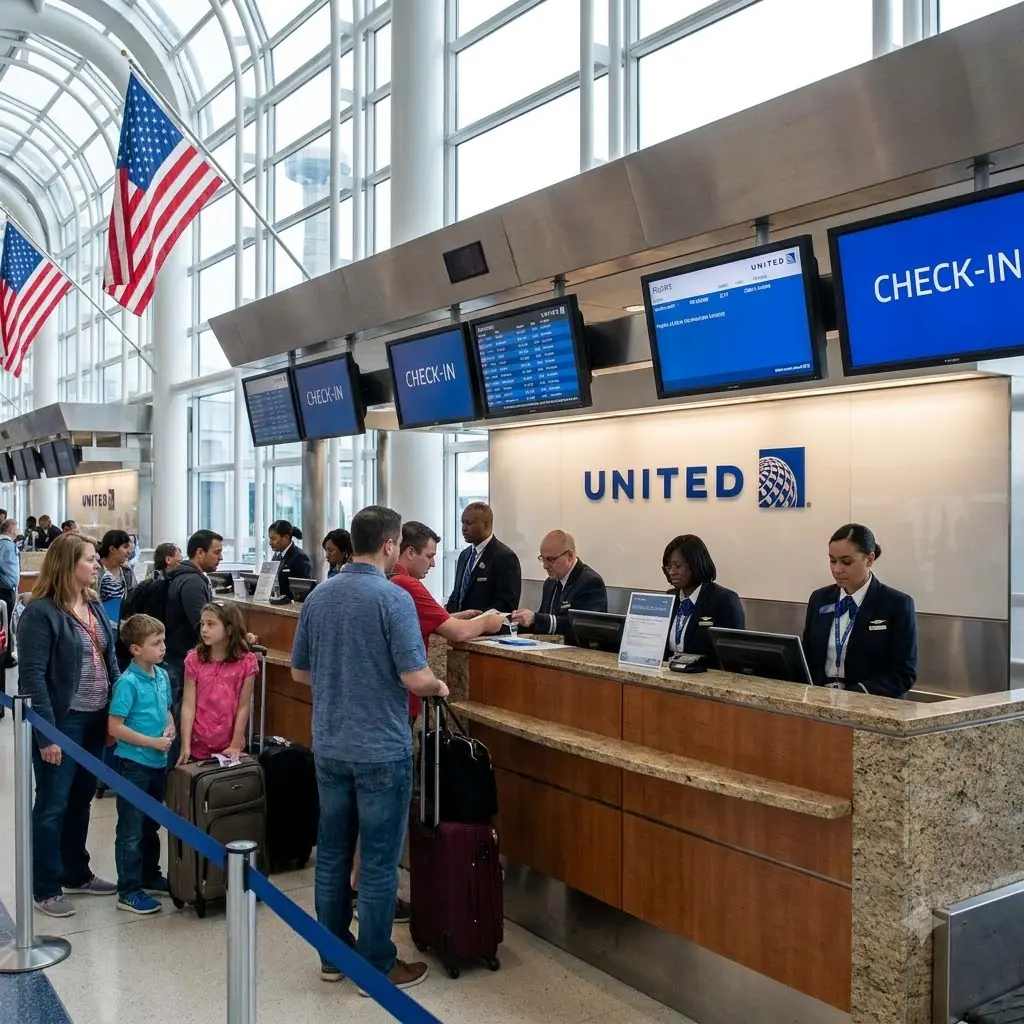
Sarah stood at the bustling airport check-in counter with a smile of quiet satisfaction. Like millions of travelers preparing for vacations, business trips, and family reunions, she owned a perfectly ordinary black suitcase. It was sturdy, reliable, and practical—but it looked almost identical to hundreds of other bags passing through the terminal that morning. She had heard countless stories about people accidentally taking the wrong suitcase from the baggage carousel, so she came up with what she believed was the perfect solution. Before leaving home, she tied a large, elegant red silk ribbon around the top handle. It fluttered brightly against the black luggage, making it impossible to miss. Confident that her suitcase would now stand out from the crowd, she checked it in, watched it disappear onto the conveyor belt, and headed toward her departure gate without a second thought. What she didn't know was that the simple ribbon she believed would save time was about to create a chain of problems deep beneath the airport—problems that even experienced baggage handlers saw every single day.
Hidden below the polished floors of the terminal lies a vast world that most passengers never see. Stretching for miles beneath the airport is an intricate maze of conveyor belts, barcode readers, automated sorting machines, security scanners, and high-speed transport systems working together with astonishing precision. Every hour, thousands of suitcases travel through this mechanical network, each one expected to reach the correct aircraft within a matter of minutes. The system is designed to move luggage with incredible speed and efficiency, but it depends on one critical factor: every bag must be easy for the machines to identify and handle. Even a seemingly harmless decoration can interrupt that carefully synchronized process.
Marcus had worked in this underground world for nearly ten years. As a senior baggage handling supervisor, he knew every twist and turn of the conveyor system. He had watched millions of bags pass through the airport and had seen nearly every mistake travelers could make. Oversized luggage, broken wheels, loose straps, dangling keychains, decorative scarves, giant bows, and colorful ribbons all had one thing in common—they frequently caused unnecessary delays. Whenever Marcus spotted a bag covered with extra accessories, he instinctively prepared for trouble.
A few moments after Sarah's suitcase disappeared behind the check-in counter, it began its journey through the automated baggage system. The conveyor belts accelerated smoothly, carrying the bag toward a series of sophisticated scanners equipped with powerful 360-degree laser technology. These scanners don't recognize a suitcase by its color or shape. Instead, they rely entirely on the airline barcode attached during check-in. Within fractions of a second, the laser reads the barcode, determines the destination airport, identifies the connecting flight if necessary, and instantly directs the suitcase onto the correct conveyor.
As Sarah's suitcase entered the scanner, something unexpected happened.
The long tails of the silk ribbon shifted as the conveyor changed direction. One loose end drifted directly across the printed barcode on the airline baggage tag. The scanner attempted to read the code several times from different angles, but the ribbon partially blocked the information. A warning immediately appeared on the operator's monitor.
Unreadable Tag.
Within seconds, automated mechanical arms redirected Sarah's suitcase away from the main high-speed conveyor and onto a separate inspection line reserved for luggage that couldn't be identified automatically. What should have taken only a few seconds had already turned into the first delay.
Marcus glanced toward the growing pile of diverted luggage and shook his head.
"Another ribbon," he sighed quietly.
To most passengers, a ribbon seemed harmless—even helpful. But from the perspective of airport operations, it was one of the most common reasons perfectly normal luggage left the automated system and required manual handling. Every time this happened, an employee had to physically retrieve the suitcase, locate the barcode, smooth out the tag, scan it by hand, and manually place it back into the sorting network. Multiply that by hundreds of bags every day, and small delays quickly became major operational bottlenecks.
As Marcus picked up Sarah's suitcase, he noticed an even bigger problem.
One frayed corner of the ribbon had wrapped itself around the edge of a conveyor roller. It hadn't completely jammed the machine yet, but it was dangerously close. If the fabric had been pulled just a few centimeters farther, it could have become trapped inside the moving mechanism. Conveyor systems operate continuously at high speeds, and loose objects can easily become entangled in the rollers. When that happens, the entire section of conveyor often has to be stopped while technicians remove the obstruction. Even a shutdown lasting only a few minutes can delay hundreds—or sometimes thousands—of pieces of luggage traveling behind it.
Marcus carefully untangled the ribbon before any damage occurred.
"You'd be surprised how often this happens," he told a new employee working beside him. "People think ribbons help them find their bags faster. Most don't realize they actually slow the bags down."
The delays didn't stop there.

After leaving the manual scanning station, Sarah's suitcase entered the security screening area. Modern airports use advanced X-ray systems to inspect checked baggage automatically. Although the ribbon itself posed absolutely no security risk, unusual accessories sometimes make luggage appear less uniform than standard bags. Large bows, decorative straps with dangling pieces, stuffed keychains, or thick fabric wrapped around handles occasionally require an additional visual inspection to ensure nothing is hiding beneath them. Security officers aren't looking for ribbons—they're simply making sure every bag is clearly visible and easy to inspect.
Sarah's suitcase was briefly pulled aside for a secondary review.
Another ten minutes passed.
Meanwhile, time above ground continued ticking toward departure.
Passengers were boarding.
The aircraft doors were preparing to close.
Ground crews were loading the cargo hold with the final containers of checked baggage.
Marcus finally completed the manual inspection, straightened the baggage tag, removed the tangled ribbon from the scanner area, and sent the suitcase back into the sorting system. The barcode scanned perfectly this time.
But it was already too late.
By the time Sarah's luggage reached the aircraft loading area, the cargo doors had been sealed. Airport safety procedures are extremely strict, and once loading operations are complete, baggage cannot simply be added at the last minute. Her suitcase had officially missed the flight.
Several hours later, Sarah landed at her destination full of excitement. Like everyone else, she walked to baggage claim and waited patiently as the carousel slowly came to life.
Suitcase after suitcase appeared.
Families reunited with their luggage.
Business travelers grabbed their carry-ons.
Vacationers stacked colorful bags onto luggage carts.
One by one, the carousel emptied.
But Sarah's familiar black suitcase—with its bright red ribbon—never appeared.
As the conveyor belt finally stopped, the uncomfortable realization set in.
Her luggage hadn't arrived.
She walked to the airline's baggage service desk, where an employee calmly checked the tracking system.
"I'm sorry," the agent explained gently. "Your suitcase missed the flight during baggage processing. The good news is we've already located it, and it will arrive on the next available flight."
Sarah was disappointed but relieved that her luggage hadn't been lost.
Curious, she asked what had caused the delay.
The airline representative smiled knowingly.
"It happens more often than people think," she said. "Decorations like ribbons, loose straps, oversized bows, and dangling accessories sometimes interfere with the automated baggage handling system. They're great for making your suitcase easy to recognize—but unfortunately, they can also make it harder for our machines to process."
Seeing Sarah's surprised expression, the agent offered several practical tips used by frequent travelers and airport staff alike.
"If you really want your luggage to stand out," she explained, "consider buying a suitcase in a bright color like yellow, orange, turquoise, or lime green. Manufacturers now make colorful hard-shell cases that are much easier to recognize without affecting airport equipment."
"If you prefer to keep your black suitcase, use a fitted luggage cover instead of tying fabric around the handle. A snug cover stays securely in place and won't interfere with the scanners."
She continued, "Another excellent option is a high-quality luggage strap designed specifically for travel. Choose one that fits tightly around the suitcase without any loose ends hanging down. It makes your bag easier to identify while remaining safe for automated conveyor systems."
The conversation didn't end there.
The airline agent shared several additional pieces of advice that most travelers never hear.
"Always remove baggage stickers from previous flights," she said. "Old barcode labels can occasionally confuse automated systems if they're still readable."
"Make sure your current baggage tag stays flat and fully visible."
"And perhaps most importantly," she added, "place a card with your full name, phone number, and email address inside your suitcase. If the external tag is ever torn off during handling, that information inside may be the only way airport staff can identify your luggage and return it to you."
She also recommended taking a quick photo of the suitcase before every trip. If luggage is delayed or misplaced, having a recent picture makes it much easier for airline staff to locate it among thousands of similar bags.
The following afternoon, Sarah finally reunited with her suitcase.
As she untied the wrinkled red ribbon, she couldn't help laughing at the irony. The very thing she believed would make her travels easier had actually been responsible for delaying her luggage by nearly an entire day.
Instead of tying another ribbon on her next trip, she invested in a bright orange luggage strap with a secure buckle, attached a durable blue personalized luggage tag, removed every old airline sticker from previous vacations, and slipped an identification card inside the suitcase before closing it.
Her luggage moved effortlessly through the airport's hidden network of scanners and conveyor belts on every trip afterward.
Sometimes the best travel advice isn't about packing lighter or arriving earlier at the airport. Sometimes it's understanding how the invisible systems behind the scenes actually work. A small detail that seems clever to a traveler can create unexpected complications for the machines responsible for moving millions of bags around the world.
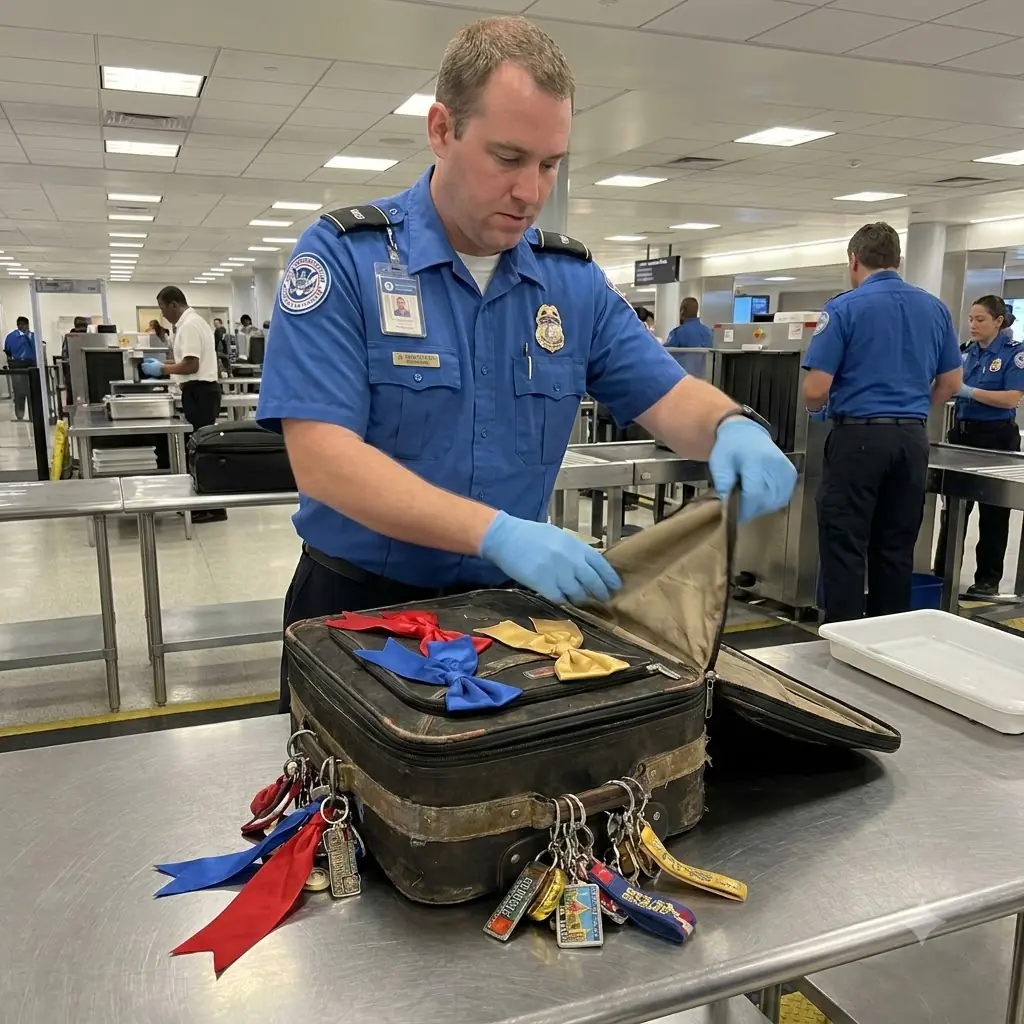
So before your next flight, take one final look at your suitcase. If you've tied on a decorative ribbon, scarf, or anything with loose ends, consider removing it. Instead, choose travel-friendly ways to personalize your luggage that won't interfere with the sophisticated technology working tirelessly beneath the airport. That simple decision could save you hours of waiting at the baggage carousel—and ensure your suitcase arrives exactly when you do.
Tags:
News in the same category
Toe Hair Isn’t Just Cosmetic—Here’s What It May Reveal About Your Health
🚨 Your Toes May Reveal More Than You Think—Watch for These Hair Changes

The Ring You Choose Reveals the Kind of Woman You Are
Pick a Ring in 3 Seconds and Discover Your Secret Personality
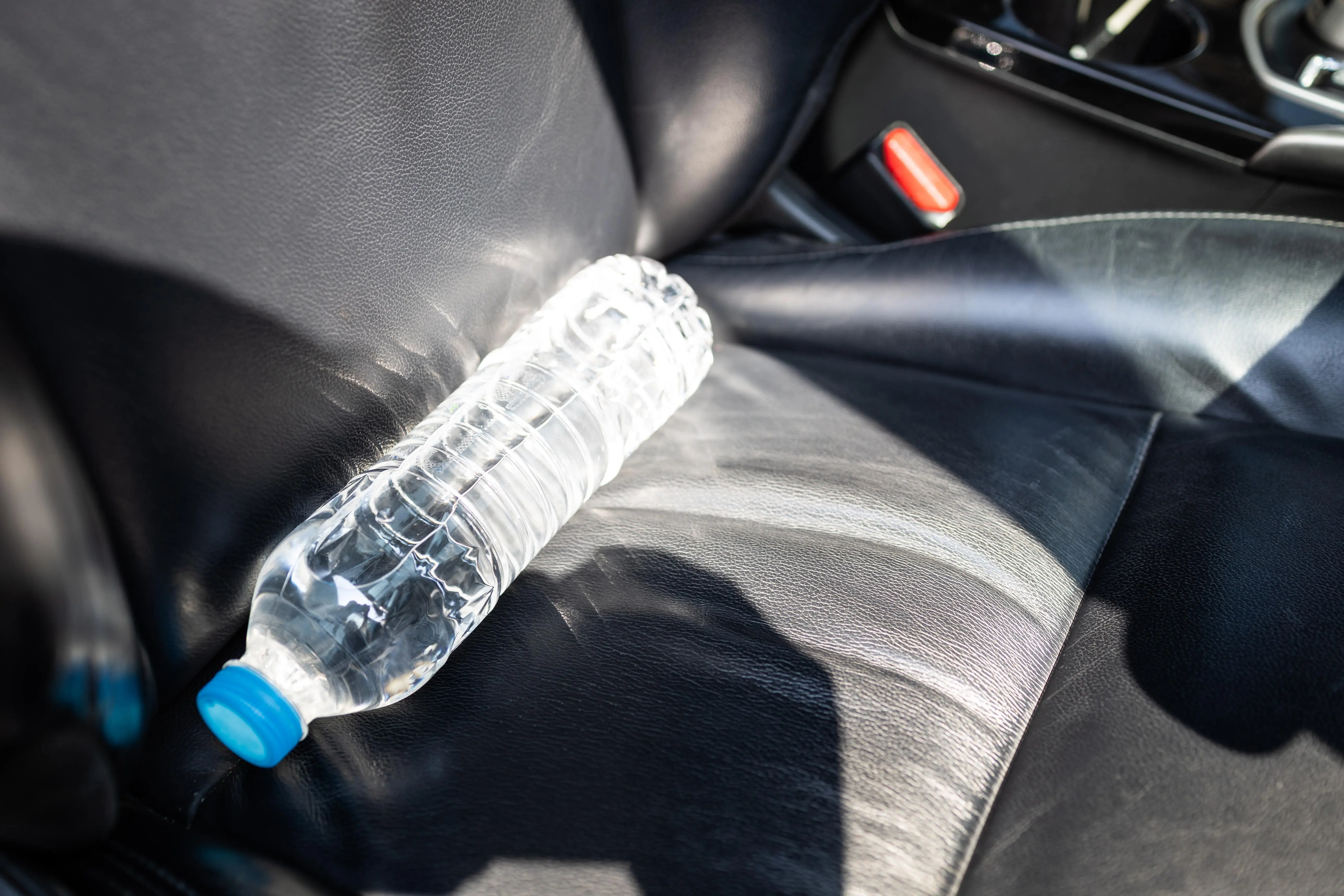
Why You Should Never Leave a Water Bottle in Your Car: The Hidden Risks Every Driver Should Know
Think Twice Before Leaving a Water Bottle in Your Car

The Hidden Meaning of the Lines on Bath Towels That Most People Never Notice
Why Every Quality Bath Towel Has This Woven Band

That Ring on Their Right Hand May Mean More Than You Think… Here’s the Hidden Meaning
🤔 What Does Wearing a Ring on the Right Hand Really Mean? The Answer May Surprise You… 👇

Before planting this season, see which plants snakes prefer most

Why People Stick Cloves Into an Onion: The Traditional Kitchen Trick That Still Works Today
A simple onion and cloves trick has been passed down for generations.
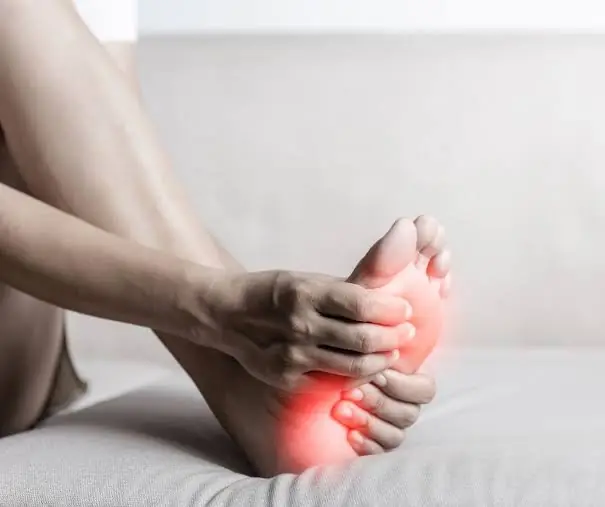
If Your First Steps in the Morning Hurt, Your Heels May Be Telling You Something
🚨 Sudden Heel Pain With Little Activity? Don’t Overlook These Possible Causes

Farting More Than 25 Times a Day Isn’t Always Random — Here’s Why
Farting 25 or More Times a Day? Here Are the Causes You Should Know
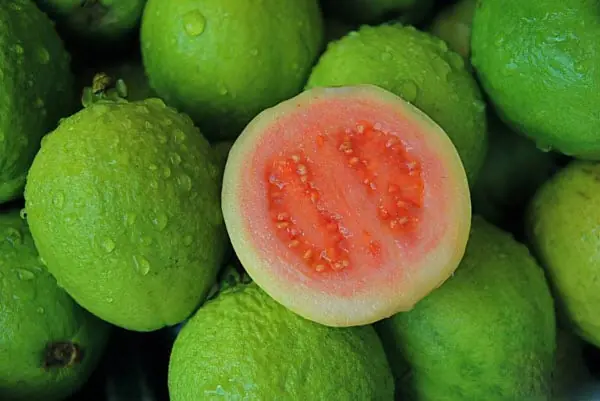
The Surprising Health Benefits of Guava — And What Experts Say About Eating It Regularly
Before You Start Eating More Guava, Here’s What Health Experts Want You to Know
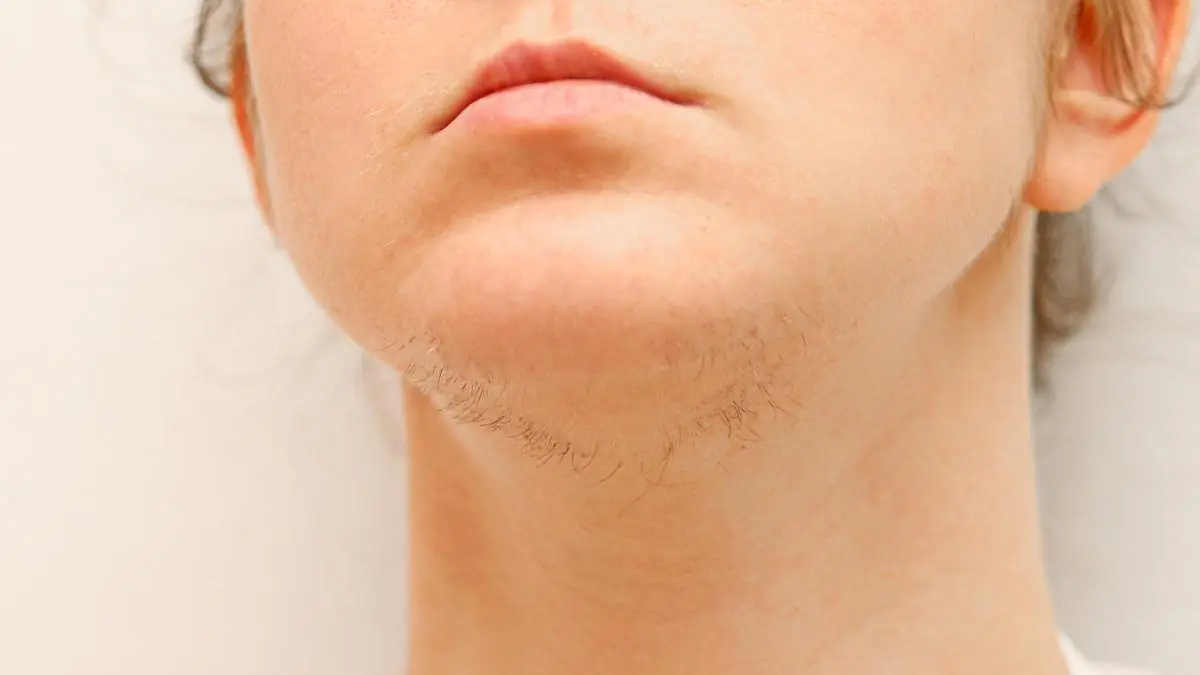
A Woman's Chin Hair Could Be a Sign of More Than Just Aging, Experts Say
Persistent chin hair may sometimes reflect underlying hormonal changes.

Understanding the Relationship Between Breast Size and Hormonal Health: What Science Actually Says
Breast size has been shrouded in cultural myths for centuries—from fertility symbols to markers of “femininity.”
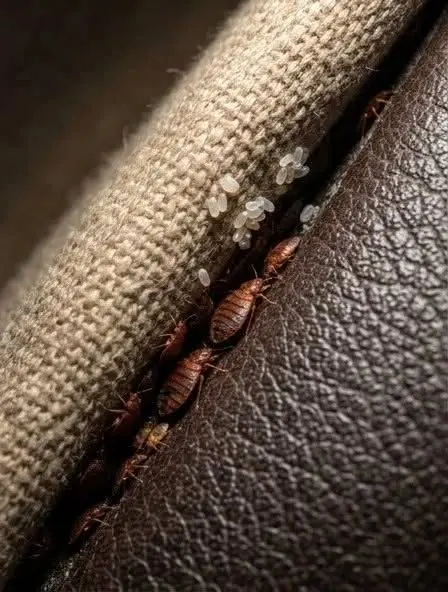
I Discovered This Hidden in a Crack in My Sofa… Please Don't Tell Me These Are Bed Bugs
I was in my late twenties, and I was cleaning my living room. I found some small, dark bugs in the cracks of my sofa. I was horrified. I thought they were bed bugs.

The Mystery of Lobster's Green Goodies (And Why It's Actually a Delicacy)
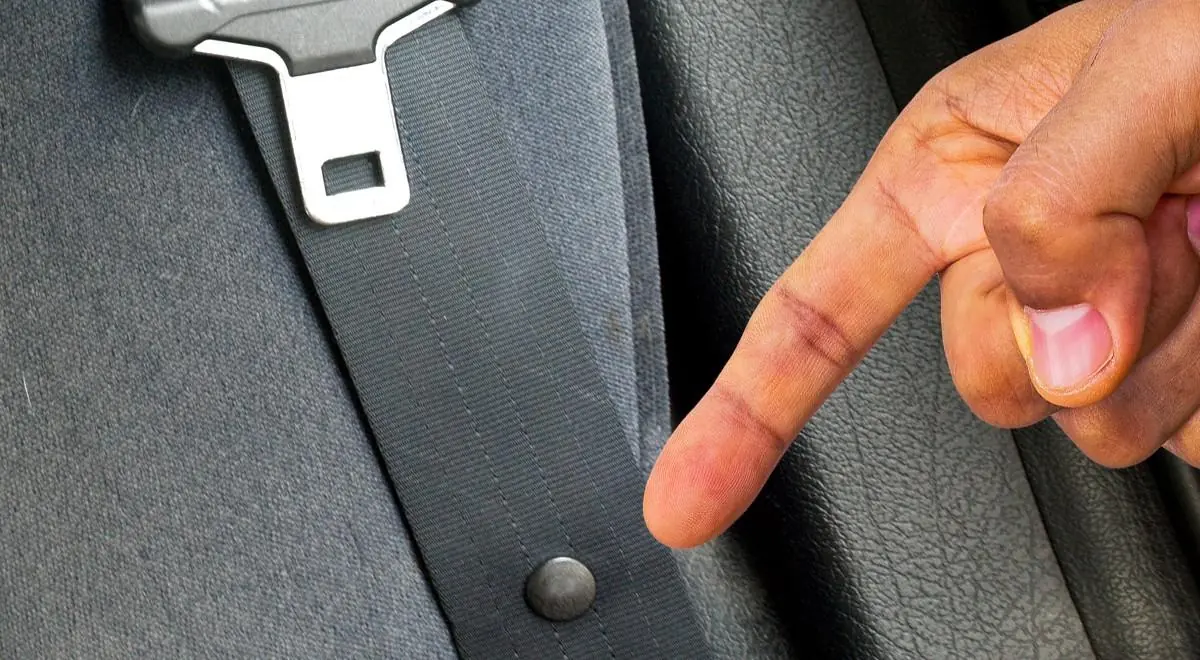
Here's What the Little Button on Your Seat Belt Is Really For
One Tiny Seat Belt Detail You've Probably Ignored for Years

Eating a Banana Before Sleep: Potential Benefits and Things to Consider
Is It Really Good to Eat a Banana Before Bed? Let's Look at the Facts.
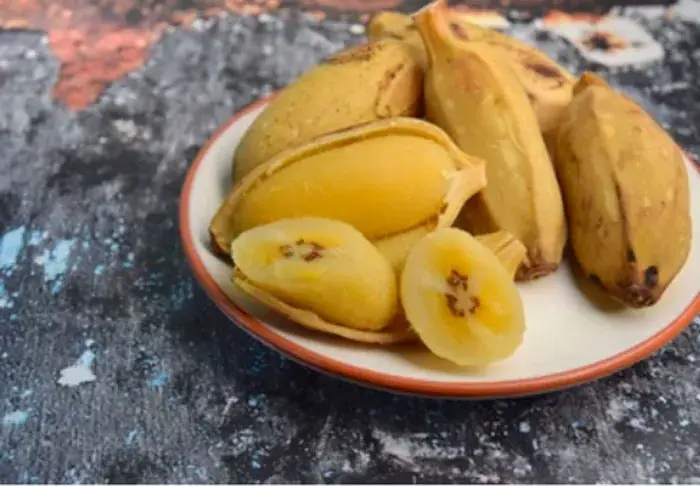
Before You Eat a Banana at Night, Here's What You Should Know
You Might Want to Start Eating Bananas at Night After Learning This. 🍌✨

They Appear Calm and Beautiful—Until It's Too Late. The Truth About Square Waves
What Makes These Perfect Square Waves So Incredibly Dangerous?
News Post
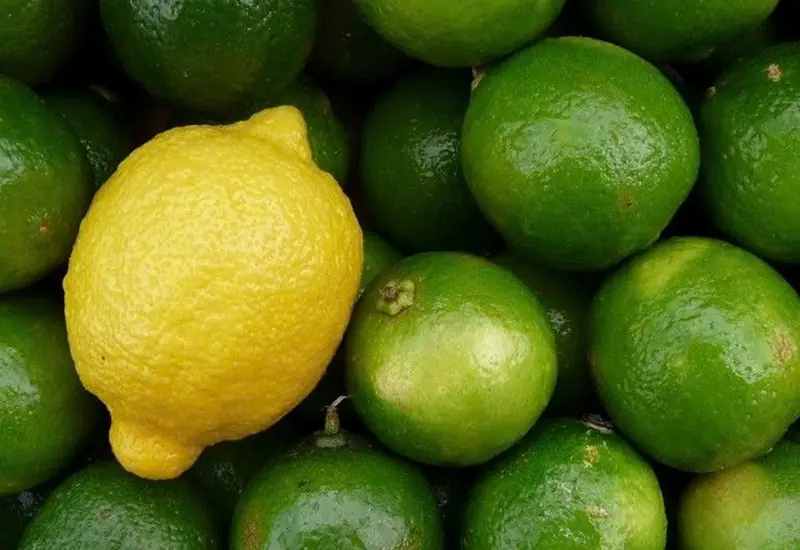
Discover 20 Traditional Lemon Remedies and the Potential Benefits They May Offer
20 Easy Ways to Use Lemons as Part of a Healthy Lifestyle
Health 04/08/2026 17:07

The One Who Awakened the Princess
The entire kingdom believed that only a prince’s kiss could break the curse. But when the princess fell into an eternal sleep, the one who awakened her was the woman who had silently loved and protected her all her life.
Story 04/08/2026 16:46
7 Important Habits That Can Help Lower Your Risk of Str0ke and Heart Attack
Are You at Higher Risk of Stroke or Heart Disease? 7 Steps That May Help Protect Your Health
Health 04/08/2026 16:12

Before the Food Gets Cold
Food can grow cold. Money can disappear. But the most painful thing is realizing too late that the people waiting for us at the dinner table will not wait forever.
Story 04/08/2026 16:11

This Well-Known Natural Ingredient Has Been Studied for Its Antimicrobial Effects - Here's What Researchers Have Found
One Popular Natural Remedy Often Compared to an Antibiotic - Here's What You Should Know
Health 04/08/2026 15:42

Not All Dark Spots Are the Same: 5 Signs You Shouldn't Ignore
When Are Dark Spots a Concern? 5 Changes to Watch For
Health 04/08/2026 15:38

The Coldest Woman in the Office
Everyone thought she was arrogant, strict, and desperate to impress the boss. No one knew she was working herself to exhaustion to keep her son alive.
Story 04/08/2026 15:34
What Your Body is Trying to Tell You
Facts 04/08/2026 15:28
Two Brothers, One Home
Two brothers once promised never to leave each other. Years later, money and inheritance turned them into strangers—until their father’s final letter brought them back beneath the tree where they had made that promise.
Story 04/08/2026 15:12
The Last Ironwood Tree
He sold the family’s precious ironwood tree to pay for his future. Years later, when he returned as a successful man, only a weathered stump remained—and so did his deepest regret.
Story 04/08/2026 14:42

15 Possible Signs Your Blood Sugar May Be Dropping Too Low
Recognizing Low Blood Sugar: 15 Common Symptoms to Watch For
Health 04/08/2026 14:19

When Kindness Returns Home
The free meal
Story 04/08/2026 13:56

Diagnosed at 40, Lived to 106: What Can We Learn About Diet and Longevity?
Could Diet Have Made the Difference?
Health 04/08/2026 12:32

Is Your Bagged Lettuce Really Fresh? The Truth Behind the “Flat Bag” Myth
Here's how to tell if your lettuce is truly fresh.
Tips 04/08/2026 12:21

Tiny Black Spot Nearly Cost 56-Year-Old Woman Her Life: Doctors Warn Not to Ignore This Hidden Sign
Doctors Warn: A Painless Black Spot May Be More Serious Than You Think
Health 04/08/2026 12:16

Dealing With Chest and Throat Mucus? Here’s a Gentle Home Remedy to Consider
A Simple Traditional Remedy That May Help Soothe Chest and Throat Mucus
Health 04/08/2026 11:34

We Ran Away for Love
The Girl Who Chose Love Over Everything
Story 04/08/2026 11:24

If One Day You Forget Me
He Couldn’t Remember Her Name, But He Missed Her Every Day
Story 04/08/2026 11:05

Before You Eat These 7 Vegetables Raw, Learn How to Reduce the Risk of Parasites and Contamination
Could Raw Vegetables Carry Parasites? 7 Types That Deserve Extra Care Before Eating
Health 04/08/2026 10:47