Jewelry has always been more than just decoration. Throughout history, accessories have been used to express identity, cultural traditions, social status, and personal taste. Among these accessories, the ankle bracelet—also known as an anklet—has gained popularity across many cultures and fashion trends. While it may seem like a simple piece of jewelry, an ankle bracelet can reveal interesting details about someone’s personality, lifestyle, and sense of style.
Today, anklets are worn around the world as fashionable accessories. However, their meaning has evolved over time, blending cultural symbolism with modern fashion. The way someone chooses to wear an ankle bracelet—its design, material, and even the ankle it is worn on—can sometimes reflect personal preferences and individuality.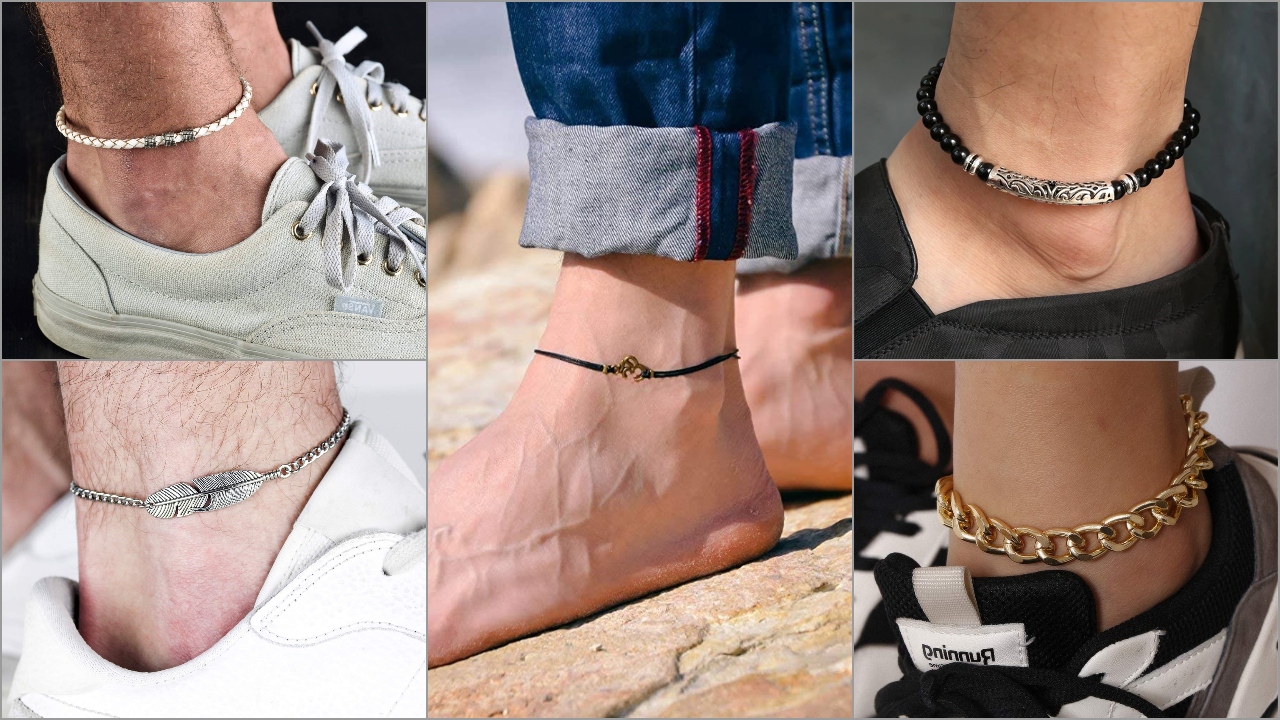
A Long History of Anklets
Anklets are not a modern invention. Historical records show that people have worn ankle bracelets for thousands of years. In ancient civilizations such as Egypt, India, and parts of the Middle East, anklets were commonly worn as decorative jewelry and sometimes carried social or cultural meaning.
In ancient Egypt, anklets were worn by women of different social classes. Wealthier women often wore anklets made from precious metals such as gold, while those from lower social classes might wear simpler versions made from leather or beads. In India, anklets—known as “payal”—remain an important part of traditional attire and are often worn during cultural celebrations and weddings.
Over time, anklets moved beyond traditional contexts and became global fashion accessories.
A Symbol of Personal Style
In modern fashion, ankle bracelets are primarily worn as expressions of style. Just like rings, necklaces, or earrings, anklets allow people to showcase their personality through small details.
Minimalist anklets, for example, often appeal to people who prefer simple and elegant fashion. A thin chain made of silver or gold can complement a clean and understated look. People who wear these types of anklets may appreciate subtle sophistication and timeless style.
On the other hand, colorful beaded anklets or charm anklets may appeal to individuals who enjoy vibrant, playful fashion. These designs often reflect creativity and a relaxed, carefree attitude.
Fashion choices often communicate mood and identity, and anklets can be one of those subtle but expressive details.
Beach and Travel Culture
Ankle bracelets are also strongly associated with beach culture and travel lifestyles. Many people first discover anklets during vacations in coastal destinations, where lightweight clothing and sandals make ankle jewelry more visible.
Wearing an anklet in these settings can reflect a relaxed and adventurous personality. For some individuals, anklets become symbols of travel memories or personal freedom. Handmade anklets purchased during trips often carry sentimental value and remind the wearer of meaningful experiences.
In this way, an anklet can represent more than fashion—it can also symbolize a person’s connection to places, memories, and personal journeys.
Creative and Artistic Expression
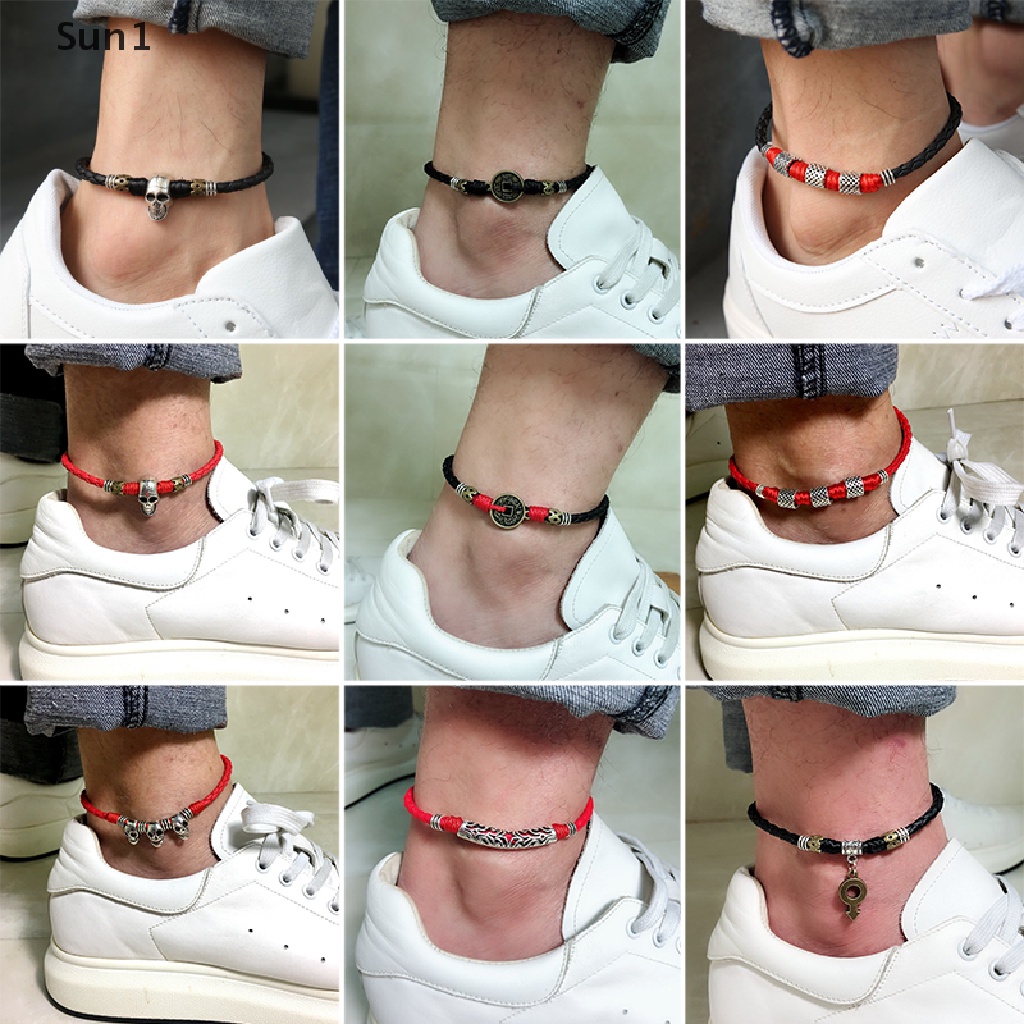
Some people use jewelry as a form of artistic expression, and anklets can be part of this creativity. Unique designs featuring shells, charms, stones, or handcrafted materials often appeal to individuals who enjoy artistic or unconventional fashion.
These anklets may be chosen carefully to match specific outfits, moods, or occasions. For example, someone might wear a delicate chain anklet for formal events but switch to a handmade beaded anklet for casual gatherings.
Such choices often reflect a personality that appreciates creativity, individuality, and personal expression.
Cultural Appreciation
For many people around the world, anklets still carry cultural significance. In South Asian cultures, for example, anklets are traditionally worn during celebrations and weddings. They can symbolize grace, femininity, and cultural heritage.
People who wear anklets inspired by cultural traditions may be expressing appreciation for heritage, identity, or cultural artistry. Jewelry often serves as a bridge between past traditions and modern style.
It is important to recognize that the meanings of anklets can vary widely depending on cultural context. What may simply be a fashion accessory in one culture may hold deeper symbolic meaning in another.
Confidence and Self-Expression
Ultimately, one of the most powerful messages conveyed by jewelry is confidence. Wearing an anklet can simply reflect a person’s willingness to express their personal style without hesitation.
Fashion choices often reveal how comfortable someone is with their identity. A person who confidently wears an anklet may simply enjoy standing out in small ways or paying attention to details that others might overlook.
Even subtle accessories can play a role in how individuals present themselves to the world.
Choosing the Right Anklet
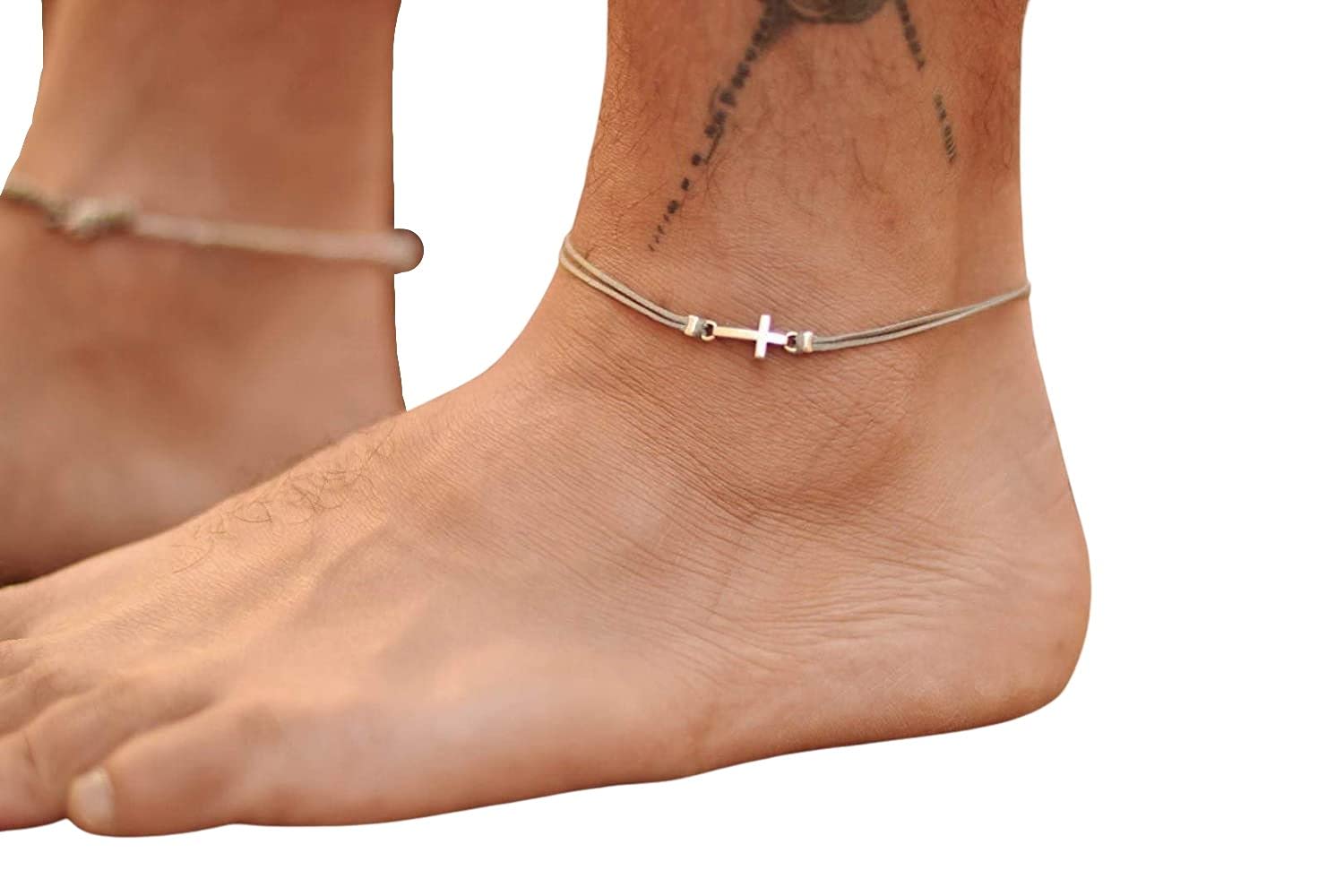
Selecting an anklet is often a personal process. Some people prefer simple designs that can be worn every day, while others enjoy statement pieces that attract attention.
Material choice also plays a role. Silver anklets may reflect a cool, modern aesthetic, while gold anklets often evoke elegance and warmth. Beaded or handmade anklets may highlight a more relaxed and artistic style.
The beauty of anklets lies in their versatility—they can adapt to different personalities, fashion preferences, and cultural influences.
Conclusion
An ankle bracelet may appear to be a small accessory, but it can carry layers of meaning related to personal style, cultural tradition, and self-expression. Whether simple or decorative, modern or traditional, anklets allow individuals to add a unique detail to their overall look.
While it is impossible to define someone’s personality based solely on jewelry, the choices people make in fashion often reflect aspects of their identity and preferences. In this sense, an anklet can be much more than just jewelry—it can be a subtle expression of individuality, creativity, and personal story.