Parasites in food may sound like something that happens only in unusual circumstances, but foodborne parasitic infections can occur when certain foods are raw, undercooked, improperly handled, or contaminated.
The important point is that the risk usually isn't about one particular food being "dangerous." Instead, certain foods have a higher potential to carry parasites when they are consumed without adequate cooking or preparation.
Raw or undercooked fish, pork, beef, freshwater fish, shellfish, and contaminated produce can all be associated with different foodborne parasites.
For most people, proper food handling and cooking dramatically reduce the risk.
Understanding where the risk comes from and how to reduce it is much more useful than simply being afraid of a particular food.
Why Can Food Contain Parasites?
Parasites are organisms that live in or on another organism and obtain nutrients from their host.
Some parasites have life cycles that involve animals, water, soil, or contaminated environments.
Food can become contaminated at different stages, including:
-
Farming or animal production
-
Fishing
-
Slaughter and processing
-
Irrigation
-
Food preparation
-
Cross-contamination
-
Improper storage
For example, certain parasites can infect fish or livestock. If meat or fish is then eaten raw or insufficiently cooked, the parasite may be transmitted to humans.
Other parasites can contaminate fresh produce through contaminated soil or water.
This is why food safety practices matter so much.
Raw or Undercooked Fish Can Carry Parasites
One of the better-known foodborne parasite risks involves raw or undercooked fish.
Certain parasites, including species of Anisakis, can infect marine fish.
People may be exposed when they eat infected fish that has not been adequately cooked or otherwise treated to kill the parasite.
This is one reason raw fish dishes require careful sourcing and handling.
Symptoms of an Anisakis infection can include:
-
Abdominal pain
-
Nausea
-
Vomiting
-
Diarrhea
-
Allergic reactions in some people
Symptoms may develop relatively soon after consuming infected raw fish.
Importantly, this doesn't mean sushi is automatically unsafe.
Commercial seafood intended for raw consumption may undergo freezing processes designed to kill certain parasites, and reputable food establishments follow food-safety requirements.
However, not all fish is suitable for raw consumption, and home freezing is not necessarily equivalent to commercial parasite-control procedures.
Freshwater Fish Can Present a Different Risk
Certain parasites are associated with raw or undercooked freshwater fish.
Depending on the region, these can include liver flukes and other trematodes.
Infections can occur when people regularly consume raw, lightly cooked, fermented, or otherwise inadequately processed freshwater fish.
Some parasitic infections may initially cause few symptoms.
Over time, however, certain infections can affect the liver and bile ducts and lead to significant complications.
This is why cooking freshwater fish thoroughly is particularly important.
What About Pork?
Pork is another food commonly discussed in relation to parasites.
One important parasite is Taenia solium, the pork tapeworm.
Eating undercooked pork containing the larval form of the parasite can cause intestinal tapeworm infection.
There is another, more serious condition called cysticercosis, which occurs when a person ingests T. solium eggs.
Importantly, cysticercosis is generally acquired through fecal-oral transmission of tapeworm eggs, not simply by eating pork.
If larvae reach the nervous system, a condition called neurocysticercosis can develop.
It can cause symptoms such as:
-
Seizures
-
Headaches
-
Neurological problems
This is one reason proper sanitation and hand hygiene are essential in preventing transmission.
Beef Can Also Carry Parasites
Undercooked beef can transmit beef tapeworms, particularly Taenia saginata.
Infection may cause:
-
Abdominal discomfort
-
Nausea
-
Changes in appetite
-
Digestive symptoms
Some people may have few or no symptoms.
The risk can be reduced substantially by cooking beef properly and preventing cross-contamination during preparation.
This doesn't mean you can never enjoy a steak.
It means that the degree of cooking matters when considering parasite risk.
Raw Shellfish Can Also Be a Concern
Raw or inadequately cooked shellfish can carry various microorganisms and parasites depending on where they were harvested.
Shellfish can filter large quantities of water while feeding, which means they can accumulate contaminants from their environment.
Oysters and other shellfish are particularly well known for foodborne illness risks.
Although viral and bacterial infections are major concerns, parasites can also be relevant in certain environments.
People with weakened immune systems, liver disease, or other health conditions may be especially vulnerable to severe infections from raw shellfish.
For these individuals, avoiding raw shellfish may be particularly important.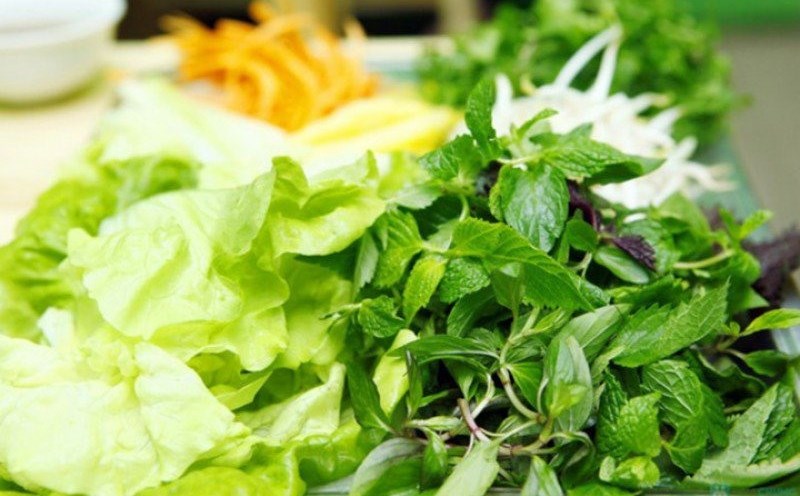
What About Vegetables and Fruits?
It's easy to assume parasites are only associated with meat and seafood.
That's not true.
Fresh produce can become contaminated with parasites through:
-
Contaminated irrigation water
-
Animal feces
-
Contaminated soil
-
Poor hygiene during harvesting
-
Improper handling
Parasites such as Giardia, Cryptosporidium, and certain protozoa can potentially contaminate produce under the right conditions.
This is why fruits and vegetables should be washed thoroughly before eating.
Washing does not necessarily eliminate every possible microorganism, but it can reduce contamination.
For produce that is difficult to clean, such as leafy greens, careful handling and appropriate washing are particularly important.
Does Washing Meat Remove Parasites?
This is a common misconception.
Washing raw meat is generally not recommended.
Rinsing raw meat under the faucet does not reliably remove parasites and can actually spread bacteria and other contaminants around the sink and nearby surfaces through splashing.
The safer approach is to:
-
Keep raw meat contained
-
Avoid unnecessary washing
-
Wash hands after handling it
-
Clean cutting boards and utensils
-
Cook the meat thoroughly
Heat is much more reliable than rinsing for destroying many foodborne pathogens.
Why Cooking Matters So Much
Cooking is one of the most effective ways to reduce the risk of many foodborne parasites.
Adequate heat can kill parasites that may be present in raw or undercooked meat and fish.
The exact safe cooking temperature depends on the type of food.
Using a food thermometer is more reliable than judging doneness solely by color.
For example, meat can sometimes look cooked on the outside while remaining undercooked in the center.
Follow food-safety guidance for the specific type of meat or seafood you're preparing.
Freezing Can Kill Certain Parasites
Freezing is used in some food-safety systems to control parasites in fish intended for raw consumption.
However, not every household freezer should be assumed to provide adequate parasite control.
Temperature, duration, equipment, and the specific parasite all matter.
Commercial freezing protocols can be much more controlled than what is possible in a typical home freezer.
If you're preparing raw fish at home, use seafood that has been appropriately handled and labeled for raw consumption rather than assuming that ordinary household freezing makes any fish safe.
Symptoms of Foodborne Parasite Infections
Symptoms depend heavily on the parasite involved.
Some infections cause obvious gastrointestinal symptoms, while others may remain silent for a long time.
Possible symptoms include:
-
Abdominal pain
-
Diarrhea
-
Nausea
-
Vomiting
-
Bloating
-
Loss of appetite
-
Unexplained weight loss
-
Fatigue
-
Fever
-
Persistent digestive problems
Certain parasites can cause symptoms outside the digestive system.
For example, some infections can affect the liver, lungs, muscles, eyes, or nervous system.
A person with persistent or unexplained symptoms should not assume they have parasites based solely on internet descriptions.
Medical testing may be necessary.
When Should You See a Doctor?
Consider seeking medical advice if you develop persistent digestive symptoms after eating potentially contaminated food, particularly if symptoms include:
-
Persistent diarrhea
-
Blood in the stool
-
Significant abdominal pain
-
Repeated vomiting
-
Unexplained weight loss
-
Persistent fever
-
Severe weakness
-
Signs of dehydration
Medical attention is particularly important for young children, older adults, pregnant people, and individuals with weakened immune systems.
These groups can be more vulnerable to complications from foodborne infections.
What About "Parasite Cleanses"?
The popularity of parasite cleanses has created another problem.
Some websites sell herbal mixtures, teas, supplements, or restrictive diets that claim to remove parasites from the body.
But you should not assume that unexplained digestive symptoms mean you have parasites.
Many common digestive problems—including irritable bowel syndrome, food intolerance, reflux, infections, and constipation—can produce similar symptoms.
If a genuine parasitic infection is suspected, the appropriate treatment depends on the specific parasite.
Some infections require prescription antiparasitic medication.
A random "cleanse" may not eliminate the parasite and could potentially cause side effects or delay proper diagnosis.
Can Garlic or Pumpkin Seeds Kill Parasites?
Garlic, pumpkin seeds, papaya seeds, and various herbal products are frequently promoted online as natural parasite treatments.
Some compounds found in plants have shown antiparasitic activity in laboratory studies.
But laboratory activity does not necessarily translate into an effective treatment in humans.
If you have a confirmed parasitic infection, don't replace prescribed treatment with food-based remedies without discussing it with your healthcare professional.
These foods can still be nutritious parts of a balanced diet—but they should not be presented as guaranteed parasite cures.
How to Reduce Your Risk at Home
The good news is that many foodborne infections are preventable.
Cook Meat Thoroughly
Use a food thermometer when possible rather than relying solely on appearance.
Cook Fish Appropriately
Be especially careful with raw or undercooked freshwater fish and seafood.
Wash Produce
Rinse fruits and vegetables thoroughly under running water before eating or preparing them.
Wash Your Hands
Wash your hands with soap and water before preparing food and after handling raw meat.
Prevent Cross-Contamination
Use separate cutting boards and utensils for raw meat and ready-to-eat foods when possible.
Keep Food Refrigerated
Follow appropriate storage temperatures and avoid leaving perishable foods at room temperature for extended periods.
Be Careful With Raw Foods
If a food is traditionally eaten raw, make sure it comes from a reputable source and has been handled according to appropriate food-safety standards.
Drink Safe Water
Contaminated water can transmit certain parasites.
When traveling, follow local guidance about drinking water and washing produce.
Why Food Safety Matters More Than Fear
The phrase "hidden parasite risk" can make it sound as though parasites are secretly hiding in every meal.
That's not the reality.
Foodborne parasitic infections are real, but risk varies substantially depending on the food, location, preparation method, sanitation, and handling practices.
The goal isn't to become afraid of food.
It's to understand the situations where risk is higher.
A properly cooked piece of meat is very different from raw meat.
Fresh produce washed under safe conditions is different from produce exposed to contaminated water.
Commercially prepared raw fish is different from randomly eating raw fish that hasn't undergone appropriate parasite-control procedures.
Knowledge allows you to make better choices without unnecessary fear.
The Bottom Line
Certain foods can carry parasites, particularly when they are raw or undercooked.
Raw or undercooked fish, freshwater fish, pork, beef, shellfish, and contaminated produce can all pose potential risks depending on the parasite and circumstances.
But the solution isn't to stop eating these foods.
The most effective strategies are simple:
Cook foods properly. Wash produce. Prevent cross-contamination. Practice good hand hygiene. Use safe water. Be cautious with raw seafood and undercooked meat.
And if you develop persistent digestive symptoms or other unexplained health problems, don't assume you need a "parasite cleanse."
Get evaluated by a healthcare professional and let appropriate testing determine whether a parasite is actually present.
The biggest protection isn't fear of a particular food.
It's proper preparation, good hygiene, and knowing when a food-safety risk is genuinely higher.