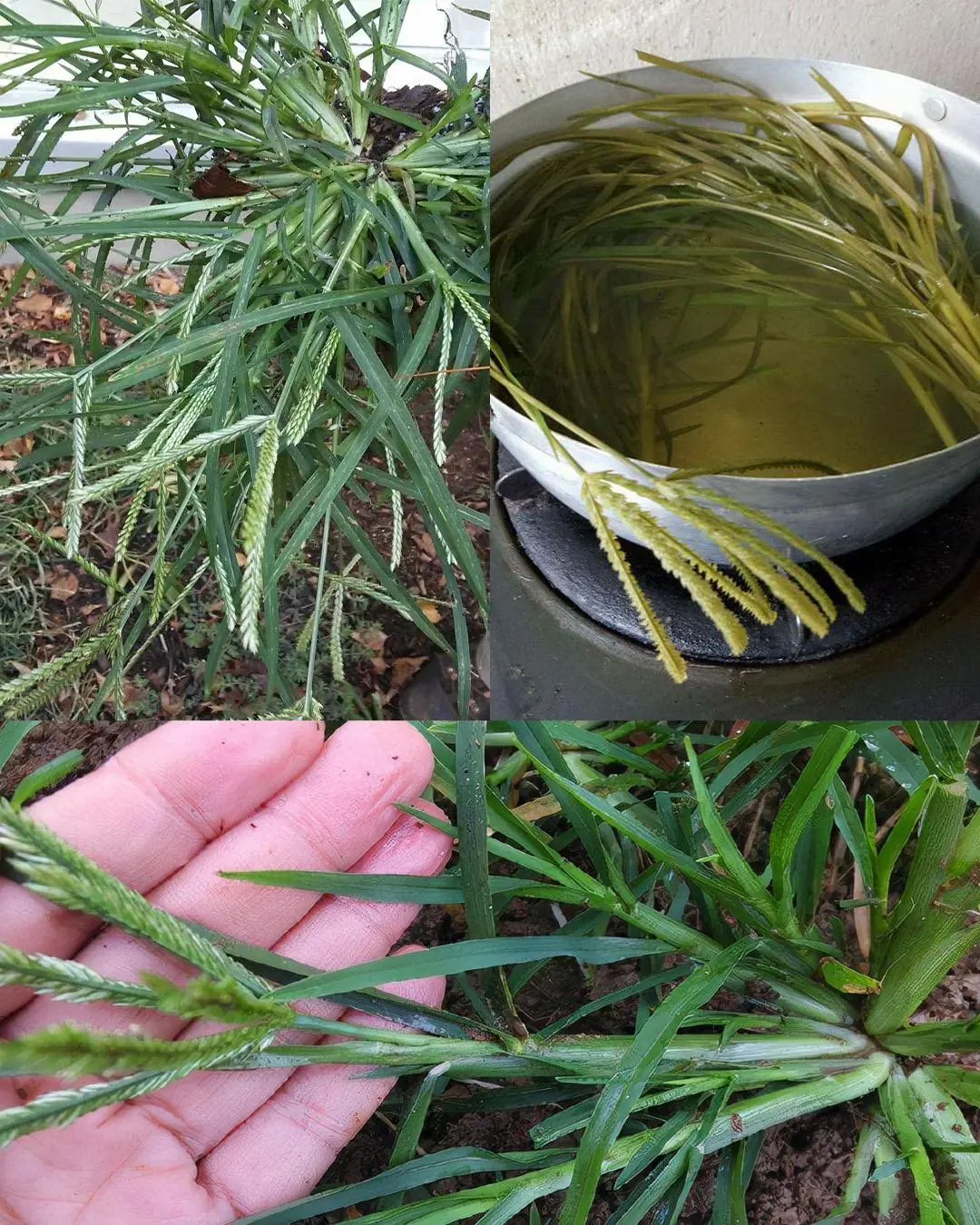
Goosegrass, known scientifically as Galium aparine and sometimes called “cleavers,” “sticky weed,” or “catchweed,” is one of those plants most people overlook. You’ve probably seen it in fields, gardens, and even stuck to your clothes when walking outdoors. But behind its clingy texture lies a surprisingly powerful medicinal herb that has been used for centuries in traditional medicine around the world.
Although often dismissed as a simple weed, goosegrass contains compounds that can support detoxification, skin health, kidney function, lymphatic drainage, and even immune balance. Today, as natural wellness trends grow, this humble herb is gaining attention for its hidden therapeutic potential.
This article breaks down what goosegrass is, why it matters, and how people traditionally used it for internal and external healing.
What Is Goosegrass?
Goosegrass (Galium aparine) is a fast-growing annual herb commonly found in Europe, Asia, North America, and Australia. It grows long, slender stems covered with tiny hooked hairs that allow the plant to “cling” to clothing, fur, and other plants — which helps it spread rapidly.
Key features include:
-
Whorled leaves arranged around the stem
-
Tiny white or greenish flowers
-
A sticky texture due to its Velcro-like hooks
In herbal medicine, the entire plant - leaves, stems, and seeds - can be used fresh or dried.
Nutritional and Medicinal Compounds in Goosegrass
Goosegrass contains a wide range of beneficial plant compounds:
-
Flavonoids (antioxidants)
-
Iridoids (anti-inflammatory properties)
-
Chlorophyll (cleansing & healing)
-
Tannins (astringent and skin-soothing)
-
Vitamin C
-
Silica & trace minerals
-
Coumarins (support circulation and lymphatic flow)
These components make goosegrass a powerful herb for detoxification, urinary health, and immune support.
The Hidden Benefits of Goosegrass
1. Lymphatic Cleanser and Drainage Support
One of goosegrass’s most valued uses is its effect on the lymphatic system — the body’s “waste removal” network.
It supports:
-
Swollen lymph nodes
-
Congestion after infections
-
Immune function
-
Healthy lymphatic circulation
Herbalists often use goosegrass to help the body clear out toxins more efficiently.
2. Natural Detoxifier
Goosegrass is known as a gentle but effective detox herb. Its diuretic properties help flush excess fluid and metabolic waste through the kidneys.
It may support the removal of:
-
Uric acid
-
Environmental toxins
-
Inflammation-causing compounds
This is why many detox teas include goosegrass.
3. Kidney and Urinary Tract Health
Because it increases urine flow and has antimicrobial activity, goosegrass is traditionally used for:
-
Urinary tract infections (UTIs)
-
Kidney inflammation
-
Bladder irritation
-
Kidney stones prevention
It helps soothe the urinary system while promoting cleansing.
4. Skin-Healing Properties
Goosegrass can be used topically for various skin conditions.
It may help with:
-
Eczema
-
Psoriasis
-
Rashes
-
Wounds
-
Acne
-
Minor burns
Its astringent and cooling nature calms inflammation and promotes healing.
5. Anti-Inflammatory Effects
The herb contains iridoids and flavonoids that help reduce internal and external inflammation.
This makes it useful for:
-
Joint discomfort
-
Swollen tissues
-
Post-infection inflammation
6. Supports Liver Function
Because it promotes lymphatic and kidney detox, it indirectly helps lighten the liver’s workload, supporting liver health.
7. A Gentle Immune Booster
By helping clear toxins and supporting lymph nodes, goosegrass encourages a more balanced immune response.
It’s often used during:
-
Colds
-
Flu
-
Recovery from infections
8. Wound & Infection Care
Fresh goosegrass has mild antibacterial and antiseptic properties. Historically, crushed goosegrass was applied to cuts, insect bites, and wounds to reduce inflammation and infection.
9. Hydration & Cooling Effects
Goosegrass tea was traditionally used to cool the body during fever or heat-related discomfort because of its refreshing, hydrating nature.
10. Digestive Support
It may help soothe mild digestive discomfort due to its gentle anti-inflammatory and cleansing properties.
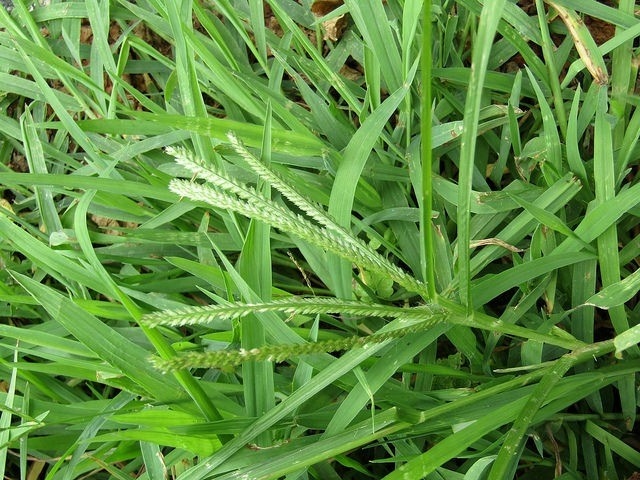
Traditional Homemade Uses of Goosegrass
1. Goosegrass Herbal Tea
For detox, lymphatic support, urinary health
-
1–2 teaspoons dried goosegrass OR a handful of fresh herb
-
1 cup hot water
-
Steep 10–15 minutes
-
Strain and drink 1–2 times a day
The taste is mild and grassy.
2. Fresh Goosegrass Juice (Traditional Remedy)
Fresh goosegrass was crushed and strained to create a vibrant green juice.
Uses:
-
Cooling the body
-
Skin cleansing
-
Lymph drainage support
Drink 1–2 tablespoons mixed with water.
3. Goosegrass Compress
For: rashes, infections, burns, swelling
-
Steep goosegrass in hot water
-
Soak a cloth
-
Apply to affected skin 10–15 minutes
4. Goosegrass Salve
Infuse fresh or dried goosegrass in oil, then mix with beeswax to create a healing balm for cuts, irritated skin, or eczema patches.
5. Goosegrass Infused Oil
This herbal oil can be used for:
-
Massage
-
Joint discomfort
-
Skin inflammation
-
Wound aftercare
6. Goosegrass Bath
A handful of fresh goosegrass added to a warm bath can help soothe inflamed skin and relax the body.
Is Goosegrass Safe?
Goosegrass is generally safe when used in moderate amounts. However:
Avoid if:
-
You are pregnant or breastfeeding (not enough research)
-
You have severe kidney disease (due to diuretic effect)
-
You are allergic to plants in the Rubiaceae family
Always check with a healthcare professional if you have medical conditions or take medications.

How to Identify and Harvest Goosegrass
Look for:
-
Long trailing stems
-
Velcro-like hooks that cling to clothing
-
Narrow leaves arranged in circles around the stem
-
Sticky texture
-
Tiny white-green flowers
Harvest while young and tender before the plant becomes tough.
Avoid harvesting near:
-
Roadsides
-
Polluted areas
-
Pesticide-treated zones
Conclusion: A Powerful Healing Herb Hidden in Plain Sight
Goosegrass may seem like nothing more than a sticky weed, but its healing benefits run deep. From detoxing the body and supporting kidney health to aiding the lymphatic system and soothing skin problems, goosegrass has a long history of medicinal use across various cultures.
Its hidden power lies in how gently - yet effectively - it supports the body’s natural cleansing mechanisms. Whether brewed as a tea, applied as a salve, or used as a fresh herbal remedy, goosegrass is one of nature’s most underrated wellness herbs.