Xanthium strumarium, commonly known as Cocklebur, is a plant many people dismiss as a weed - or even a nuisance - because of its burrs that cling to clothing and animal fur. But behind its rough exterior lies a long history of use in traditional medicine, especially in Asia, Native American healing practices, and parts of Europe.
For centuries, Cocklebur has been valued for its ability to treat sinus issues, inflammation, skin conditions, and a variety of internal disorders. Modern research has begun to validate many of these traditional uses, revealing the surprising medicinal power hidden within this rugged plant.
This article explores the origins, benefits, risks, and practical uses of Xanthium strumarium, helping you understand how this overlooked plant became an important natural remedy.
1. What Is Xanthium strumarium?
Cocklebur is an annual herbaceous plant from the Asteraceae family. It grows widely across North America, Asia, Africa, and Europe. The plant is easy to recognize by its spiky burs, which help disperse its seeds.
Traditional healers used several parts of the plant:
-
Leaves
-
Stems
-
Seeds (burs)
-
Roots
In Chinese medicine, the plant is known as Cang Er Zi, used primarily to clear nasal congestion and treat sinus-related disorders.
2. Nutritional and Chemical Composition
Cocklebur contains multiple bioactive compounds that give it therapeutic value:
-
Xanthinin
-
Xanthostrumarin
-
Chlorogenic acid
-
Rutin
-
Carotenoids
-
Essential oils
-
Antioxidants
-
Sesquiterpenes
These compounds contribute to its anti-inflammatory, antiviral, analgesic, and detoxifying properties.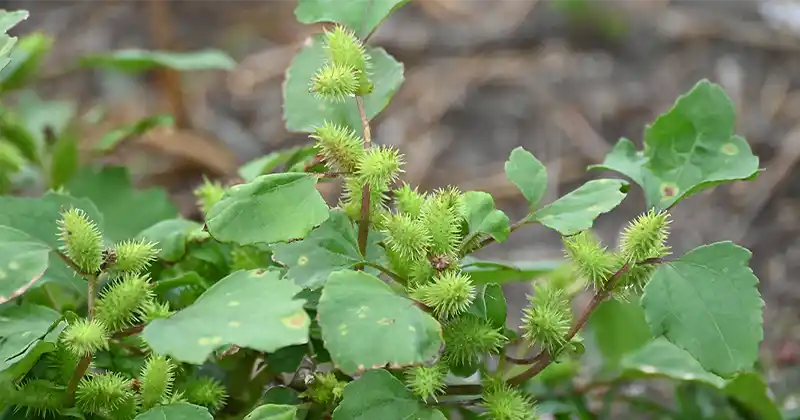
3. Top Health Benefits of Xanthium strumarium
Below are the most widely recognized benefits of Cocklebur in traditional medicine and modern research.
1. Relieves Sinusitis and Nasal Congestion
One of Cocklebur’s most famous uses is for sinus relief. In traditional Chinese medicine, it is a key ingredient in formulas used to:
-
Open blocked nasal passages
-
Reduce swelling in the sinuses
-
Treat allergic rhinitis
-
Relieve headaches caused by sinus pressure
Cocklebur helps thin mucus and reduce inflammation, making breathing easier.
2. Treats Allergies and Hay Fever
Cocklebur contains natural antihistamine and anti-inflammatory compounds that help reduce:
-
Sneezing
-
Itching
-
Watery eyes
-
Nasal congestion
It is often used during allergy seasons to reduce sensitivity to airborne allergens.
3. Reduces Inflammation Throughout the Body
Its anti-inflammatory effects make Cocklebur useful for conditions such as:
-
Joint pain
-
Arthritis
-
Rheumatism
-
Muscle swelling
Researchers believe its sesquiterpenes help reduce inflammatory signaling in the body.
4. Supports Liver Detoxification
In some cultures, Cocklebur tea or extracts are used to support liver health.
Benefits include:
-
Protection against toxins
-
Reduction of liver inflammation
-
Improved detoxification pathways
Its antioxidant activity helps protect liver cells from oxidative stress.
5. Helps Treat Skin Conditions
Cocklebur has long been used topically for:
-
Dermatitis
-
Eczema
-
Psoriasis
-
Rashes
-
Fungal infections
Its antibacterial and anti-inflammatory effects help soothe irritated skin and promote healing.
6. Provides Pain Relief
Traditional uses include reducing pain from:
-
Headaches
-
Migraines
-
Sinus pressure
-
Menstrual cramps
-
Muscle aches
Cocklebur works as a mild analgesic.
7. Supports Urinary Tract and Kidney Health
Cocklebur is sometimes used as a diuretic to:
-
Increase urine output
-
Reduce fluid retention
-
Support kidney detoxification
In some traditions, it has been used to help dissolve small kidney stones.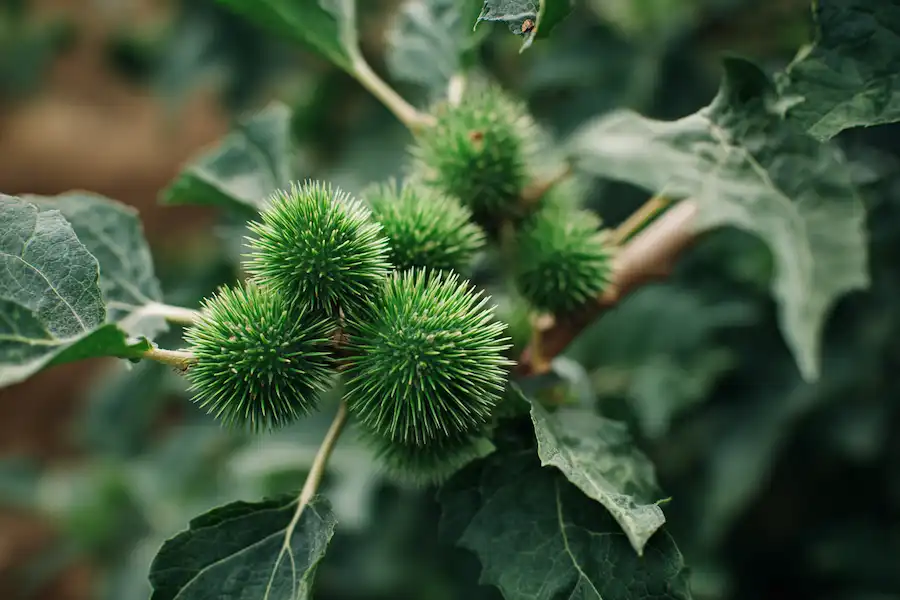
8. Anti-Microbial and Anti-Viral Properties
Studies show Cocklebur extract inhibits several bacteria and viruses, making it helpful for infections when used appropriately.
These effects support:
-
Common cold recovery
-
Throat irritation
-
Mild respiratory infections
-
Minor skin infections
9. Improves Circulation and Reduces Blood Stagnation
In herbal traditions, Cocklebur is used to improve blood flow and reduce stagnation, supporting better nutrient delivery throughout the body.
10. Boosts Energy and Reduces Fatigue
Some preparations are believed to help:
-
Increase stamina
-
Reduce chronic fatigue
-
Support overall vitality
This is tied to its effects on circulation and detoxification.
4. How to Use Xanthium strumarium Properly
1. Cocklebur Tea
Common in traditional medicine.
How to make:
-
Use dried leaves or seeds
-
Boil gently for 5–10 minutes
-
Strain and drink while warm
Often combined with herbs like mint, ginger, or licorice.
2. Powder or Capsules
Standardized extracts ensure safe dosing and remove harmful compounds.
3. Tinctures
Used for sinus and respiratory support, taken in small diluted doses.
4. Topical Applications
The crushed leaves or an infused oil can be applied to skin conditions.
5. Important Safety Warning
While Cocklebur has strong medicinal properties, raw seeds and seedlings are toxic if consumed in the wrong form.
Toxic effects may include:
-
Nausea
-
Vomiting
-
Weakness
-
Headache
-
Severe poisoning (in high doses)
Never consume Cocklebur seeds raw. Only use properly processed herbal preparations.
Pregnant and breastfeeding women should avoid this herb.
Always consult with a qualified practitioner before use.
6. Final Thoughts: A Potent but Underestimated Herb
Xanthium strumarium is a classic example of a misunderstood plant. Though often labeled a weed, it carries impressive therapeutic value backed by centuries of traditional use and growing scientific interest.
From clearing sinus congestion to reducing inflammation and supporting detoxification, Cocklebur demonstrates how powerful natural medicine can be when used correctly.
This plant reminds us that sometimes the greatest healing tools grow quietly at our feet - waiting for us to look beyond first impressions and discover their hidden strengths.