The human body contains countless nerves, muscles, blood vessels, and connective tissues that work together to support movement, circulation, and overall well-being. For centuries, various traditional healing systems—including Traditional Chinese Medicine (TCM), acupressure, and massage therapy - have suggested that certain points on the body may influence relaxation, circulation, and physical comfort.
One area that has received increasing attention is the region behind the knees. While often overlooked, the back of the knee contains important structures that may play a role in circulation, flexibility, and muscle recovery. Some practitioners believe that gentle massage or acupressure in this area may provide a variety of wellness benefits.
Although scientific evidence for specific pressure points varies, many people report feeling relaxed and refreshed after incorporating gentle massage techniques into their self-care routine.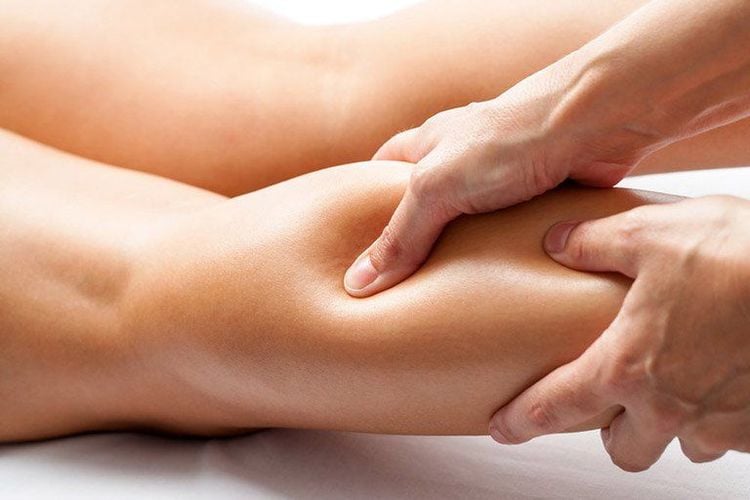
Why the Area Behind the Knee Is Important
The hollow area at the back of the knee is known as the popliteal fossa.
This region contains:
-
Blood vessels
-
Lymphatic vessels
-
Nerves
-
Tendons
-
Connective tissues
Because several important pathways pass through this area, maintaining flexibility and comfort around the knee may contribute to overall lower-body wellness.
In traditional practices, certain pressure points located behind the knee are believed to influence circulation and energy flow throughout the body.
Understanding Pressure Points
Pressure points are specific areas that practitioners of acupressure and traditional medicine target using gentle pressure.
The goal is often to:
-
Promote relaxation
-
Relieve muscle tension
-
Encourage circulation
-
Support overall well-being
It's important to note that pressure point therapy is generally considered a complementary wellness practice and should not replace medical treatment for underlying health conditions.
Two Commonly Discussed Points Behind the Knee
Traditional medicine identifies several points near the back of the knee.
Among the most commonly discussed are points located near the center and inner portions of the knee crease.
Practitioners often use gentle thumb pressure or massage techniques in these areas.
Potential Benefit #1: Supporting Circulation
One of the most frequently mentioned benefits is improved circulation.
Why Circulation Matters
Healthy circulation helps:
-
Deliver oxygen to tissues
-
Transport nutrients
-
Remove waste products
-
Support muscle recovery
Gentle massage may temporarily stimulate local blood flow, which can contribute to a feeling of warmth and relaxation.
Many people who spend long hours sitting report that leg massage helps reduce feelings of heaviness or stiffness.
Potential Benefit #2: Reducing Muscle Tension
Modern lifestyles often place significant strain on the lower body.
Activities such as:
-
Sitting for long periods
-
Standing all day
-
Exercising intensely
can contribute to muscle tightness.
Massage behind the knees may help relax surrounding muscles, including:
-
Hamstrings
-
Calves
-
Lower leg tissues
This may improve overall comfort and flexibility.
Potential Benefit #3: Encouraging Relaxation
One of the most immediate effects of massage is relaxation.
When pressure is applied gently and consistently, many individuals experience:
-
Reduced stress
-
Improved comfort
-
A sense of calm
Massage may help activate the body's natural relaxation response, making it a useful addition to a self-care routine.
Potential Benefit #4: Supporting Flexibility
The knee is one of the body's most important joints.
Tight muscles around the knee may affect movement patterns.
Gentle massage combined with stretching may help support:
-
Joint mobility
-
Range of motion
-
Muscle flexibility
Although massage alone cannot correct structural problems, it may contribute to improved comfort during movement.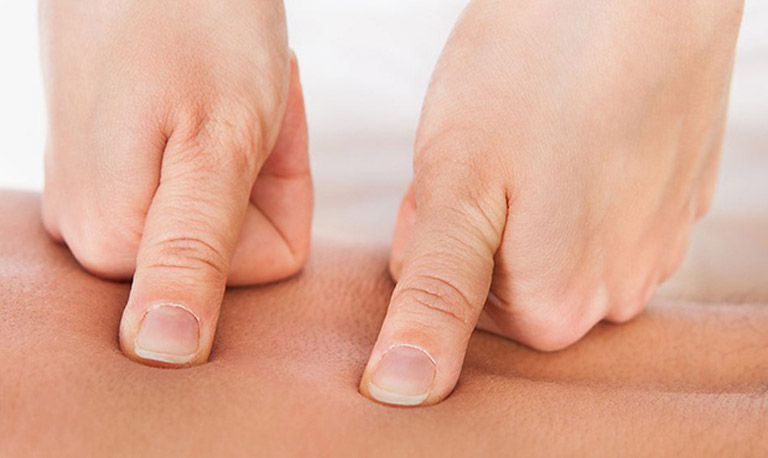
Potential Benefit #5: Relief After Physical Activity
Athletes and physically active individuals often use massage as part of their recovery routine.
Potential benefits may include:
-
Temporary reduction in muscle soreness
-
Improved relaxation
-
Enhanced recovery perception
Many people enjoy gentle massage after:
-
Walking
-
Running
-
Hiking
-
Cycling
-
Strength training
The Connection to the Lymphatic System
The area behind the knees contains lymphatic structures that help transport fluid throughout the body.
The lymphatic system plays an important role in:
-
Fluid balance
-
Immune function
-
Waste removal
Some massage therapists believe that gentle techniques may support normal lymphatic movement.
However, specialized lymphatic massage should only be performed by trained professionals.
How to Massage Behind the Knees Safely
If you want to try gentle massage at home, consider the following steps.
Step 1: Sit Comfortably
Find a relaxed seated position with your legs slightly bent.
Step 2: Locate the Area
Place your fingers gently in the soft hollow behind the knee.
Avoid pressing directly and aggressively into sensitive structures.
Step 3: Apply Gentle Pressure
Use:
-
Circular motions
-
Light kneading
-
Gentle thumb pressure
Massage for approximately 30 seconds to 2 minutes on each leg.
Step 4: Breathe Slowly
Deep breathing may enhance relaxation during the process.
Important Safety Considerations
Although massage is generally safe for healthy individuals, there are situations where caution is necessary.
Avoid massaging behind the knee if you have:
-
Deep vein thrombosis (DVT)
-
Active infections
-
Severe swelling
-
Recent injuries
-
Open wounds
-
Unexplained leg pain
If you have a medical condition affecting circulation, consult a healthcare professional before attempting massage techniques.
Other Ways to Support Leg Health
Massage is only one part of maintaining healthy legs.
Other helpful habits include:
Regular Exercise
Physical activity supports:
-
Circulation
-
Muscle strength
-
Joint mobility
Stretching
Gentle stretching can help reduce muscle tightness and improve flexibility.
Hydration
Adequate water intake supports healthy circulation and tissue function.
Movement Breaks
If you sit for long periods, try standing and walking every hour.
What Does Science Say?
Research supports some benefits of massage for:
-
Relaxation
-
Temporary pain relief
-
Stress reduction
-
Muscle recovery
However, claims regarding specific pressure points often rely on traditional practices rather than definitive scientific evidence.
This doesn't mean the techniques are ineffective, but their benefits may vary from person to person.
Common Myths About Pressure Points
Myth 1: Pressure Points Can Cure Diseases
Pressure point therapy is not a cure for serious medical conditions.
Medical symptoms should always be evaluated by qualified healthcare professionals.
Myth 2: More Pressure Is Better
Excessive pressure may cause discomfort or injury.
Gentle pressure is usually sufficient.
Myth 3: Results Are Immediate for Everyone
Individual responses vary considerably.
Some people notice benefits quickly, while others may not.
Final Thoughts
The area behind your knees may seem insignificant, but it contains important structures involved in circulation, movement, and overall leg function. Gentle massage or acupressure in this region may help promote relaxation, reduce muscle tension, support flexibility, and improve feelings of comfort for some individuals.
While pressure-point techniques should not be viewed as medical treatments, they can be a simple and enjoyable addition to a healthy self-care routine. Combined with regular exercise, stretching, hydration, and proper medical care when needed, these practices may help support overall well-being.
Sometimes the smallest areas of the body can remind us of an important lesson: wellness often comes from paying attention to the details.