Leftovers are a convenient part of modern life. Storing food in the refrigerator for later consumption helps reduce waste and save time. However, recent warnings from health experts highlight that not all foods are safe to keep overnight, even when refrigerated.
A widely shared case of a middle-aged man falling seriously ill after eating leftovers has raised concerns about food safety. While such incidents may not always be extreme, they serve as an important reminder: improper food storage can lead to harmful bacterial growth and serious health risks.
Why Some Leftovers Become Dangerous
Refrigeration slows down bacterial growth, but it does not stop it completely. Certain foods are more prone to contamination due to their composition, moisture content, or how they are stored.
Factors that increase risk include:
- Leaving food at room temperature for too long before refrigeration
- Improper sealing or storage containers
- Reheating food unevenly
- Keeping food beyond recommended time limits
Understanding which foods spoil quickly can help prevent foodborne illness.
5 Foods You Should Avoid Keeping Overnight
 5
5
1. Cooked Seafood
Fish and shellfish are highly perishable. Even when refrigerated, they can develop bacteria quickly. Eating spoiled seafood may lead to food poisoning symptoms such as nausea, vomiting, and diarrhea.
2. Leafy Green Vegetables
Cooked leafy greens like spinach may accumulate compounds that can change over time, especially if stored improperly. Reheating them repeatedly can increase potential risks.
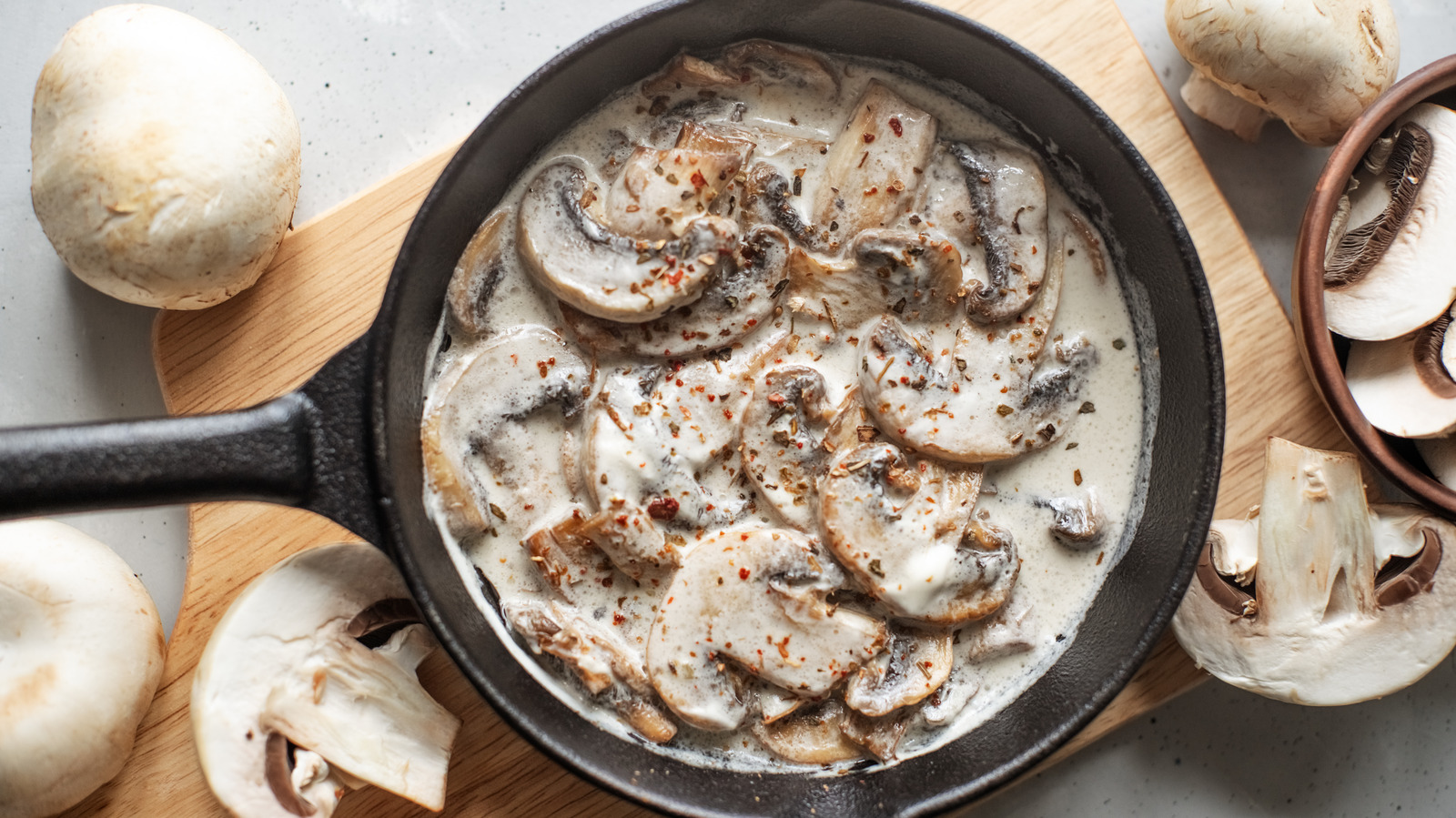
3. Mushrooms
Mushrooms are sensitive to storage conditions. When kept overnight, they can lose freshness and become a breeding ground for bacteria, especially if not refrigerated promptly.
4. Rice
Leftover rice is one of the most common sources of food poisoning due to a bacterium called Bacillus cereus. If rice is left at room temperature too long before refrigeration, toxins can form—even after reheating.
5. Egg-Based Dishes
Foods containing eggs, such as omelets or custards, can spoil quickly. Improper storage increases the risk of bacterial contamination.
Signs That Leftovers Are No Longer Safe
Before consuming stored food, always check for warning signs:
- Unusual smell
- Slimy texture
- Discoloration
- Sour or off taste
If in doubt, it is always safer to discard the food.
Safe Food Storage Tips
To reduce risks, follow these simple guidelines:
- Refrigerate food within 2 hours of cooking
- Store leftovers in airtight containers
- Keep your refrigerator below 4°C (40°F)
- Reheat food thoroughly before eating
- Consume leftovers within 24 hours when possible
These steps can significantly lower the chances of foodborne illness.
The Importance of Awareness
Many people assume that refrigeration guarantees safety, but this is not always true. Awareness of proper food handling practices is essential for protecting your health and your family.
Food poisoning can range from mild discomfort to serious medical emergencies. Prevention is always better than treatment.
Final Thoughts
Leftovers can be both convenient and economical, but they must be handled with care. Not all foods are suitable for overnight storage, and ignoring basic food safety rules can have serious consequences.
By understanding which foods to avoid and how to store them properly, you can enjoy meals safely without unnecessary risks.