Avoid Ginger If You Have These 5 Health Problems
Ginger offers many health benefits, but for some people, it may do more harm than good.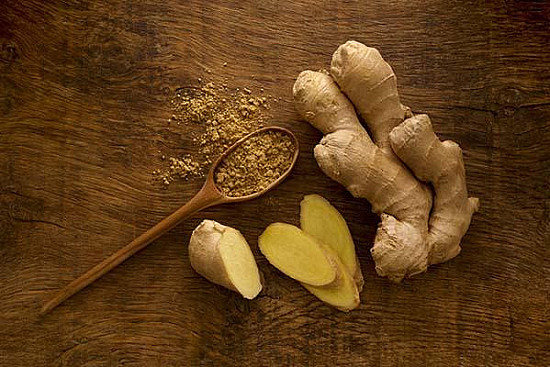
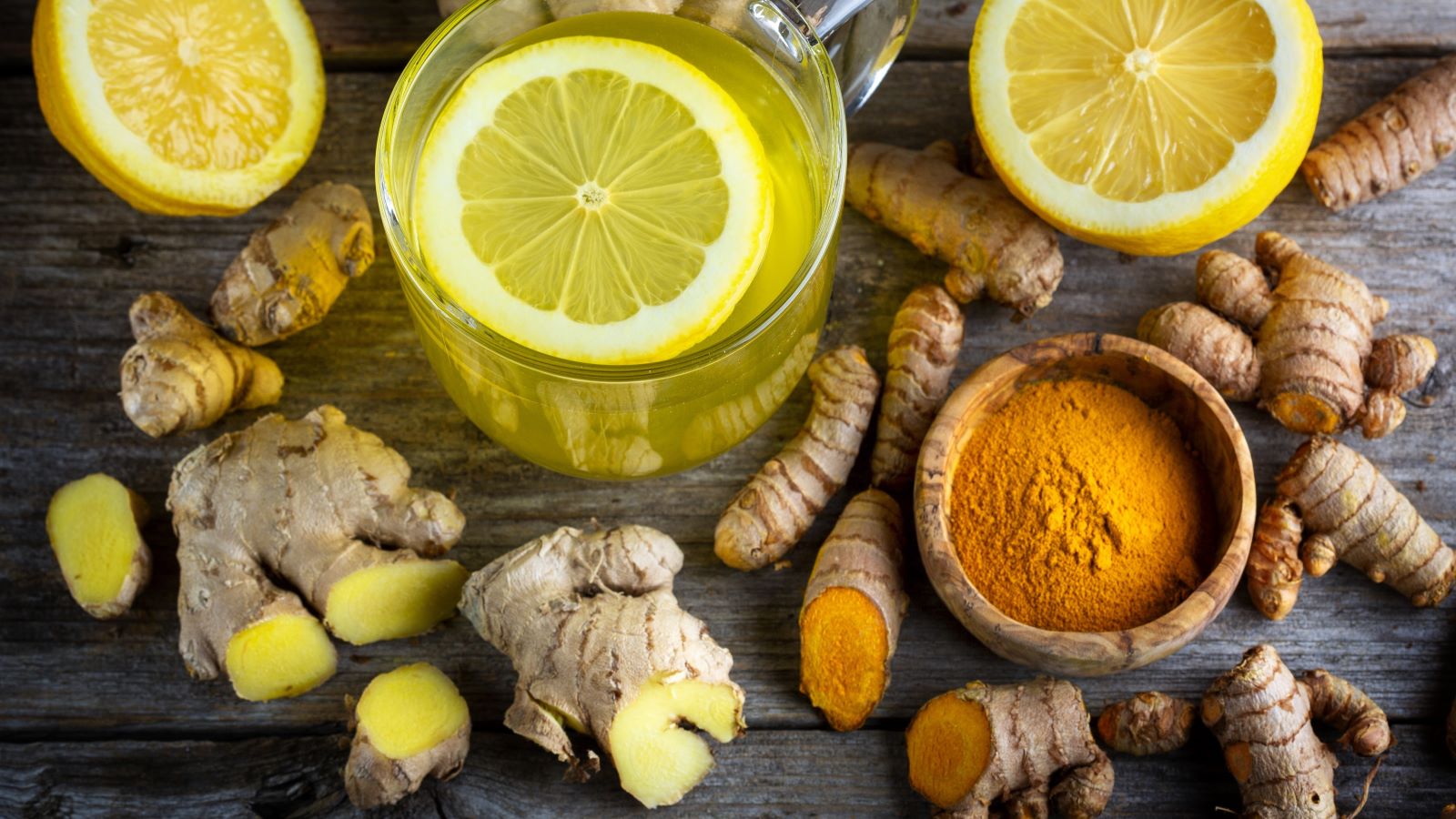
Ginger has been treasured for thousands of years as both a flavorful spice and a traditional natural remedy. Native to Southeast Asia, this aromatic root has become a staple ingredient in cuisines around the world and is widely consumed as tea, fresh slices, powder, or dietary supplements. Modern research suggests that ginger contains powerful antioxidants and anti-inflammatory compounds that may support overall wellness.
However, despite its impressive health benefits, ginger is not suitable for everyone. In certain situations, excessive ginger consumption may worsen existing medical conditions or interact with medications. Understanding when to limit or avoid ginger can help you enjoy its benefits safely.
1. People with Bleeding Disorders
One of ginger's most well-known properties is its ability to reduce blood clotting. While this effect may support heart health in some individuals, it can increase the risk of bleeding in people who have bleeding disorders such as hemophilia or low platelet counts.
Those who are taking blood-thinning medications—including warfarin, apixaban, rivaroxaban, aspirin, or clopidogrel—should consult a healthcare professional before consuming large amounts of ginger or taking ginger supplements. Combining ginger with these medications may increase the likelihood of bruising or excessive bleeding.
2. People with Low Blood Pressure
Ginger may naturally help relax blood vessels and improve circulation, which can contribute to lower blood pressure. While this can be beneficial for people with hypertension, it may cause dizziness, weakness, or fainting in individuals who already have naturally low blood pressure.
If you regularly experience lightheadedness or are taking medication to lower blood pressure, moderate your ginger intake and discuss it with your healthcare provider.
3. People with Gallstones
Ginger stimulates the production and release of bile, which helps the body digest fats more efficiently. Unfortunately, for individuals with gallstones, increased bile flow may trigger pain or worsen symptoms.
Anyone diagnosed with gallbladder disease or gallstones should seek medical advice before consuming ginger regularly, especially in supplement form where the concentration of active compounds is much higher than in food.
4. People with Diabetes Taking Medication
Some studies suggest ginger may help improve blood sugar control. While this appears beneficial, it can become problematic for people who are already taking diabetes medications or insulin.
Using ginger together with glucose-lowering drugs may increase the risk of hypoglycemia (low blood sugar), leading to symptoms such as sweating, shakiness, confusion, or weakness. Monitoring blood sugar levels carefully is important if ginger is consumed regularly.

5. People Preparing for Surgery
Because ginger may reduce blood clotting, many healthcare professionals recommend avoiding large amounts of ginger or ginger supplements for at least one to two weeks before scheduled surgery.
This precaution helps reduce the risk of excessive bleeding during and after surgical procedures. Always follow your surgeon's specific recommendations regarding herbal supplements.
Ginger Still Has Many Benefits
For most healthy adults, moderate ginger consumption remains safe and beneficial. Research suggests ginger may:
- Support healthy digestion and reduce nausea.
- Help relieve motion sickness.
- Provide antioxidant and anti-inflammatory effects.
- Ease mild muscle soreness after exercise.
- Add natural flavor to meals without excess salt or sugar.
Fresh ginger can easily be incorporated into daily meals by adding it to stir-fries, soups, smoothies, herbal teas, or marinades.
Consume Ginger Wisely
Although ginger is a nutritious and versatile root, more is not always better. Large amounts may cause heartburn, stomach discomfort, diarrhea, or mouth irritation in some people. Pregnant women, people with chronic medical conditions, and those taking prescription medications should seek medical advice before using concentrated ginger supplements.
When enjoyed in moderation and with proper awareness of individual health conditions, ginger can remain a valuable part of a balanced diet.