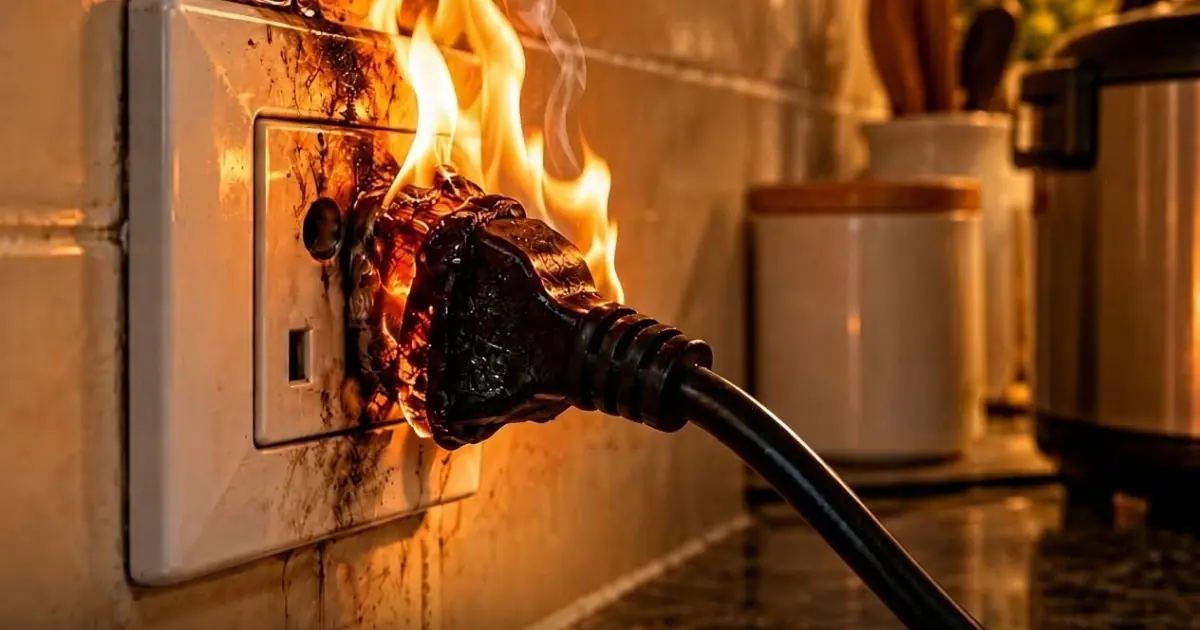
 Chapter 1: The Ordinary Kitchen Habit That Can Make a Difference
Most people use their kitchen several times a day without thinking much about the electrical appliances surrounding them.
A toaster prepares breakfast. A coffee maker provides the first cup of the morning. An electric kettle heats water, while a blender or food processor helps prepare meals.
These appliances are designed to make daily life easier. When properly manufactured, maintained, and used according to their instructions, they are generally safe. Nevertheless, every electrical appliance requires attention, especially when it produces heat or contains components that can malfunction.
The kitchen is also a place where electricity, moisture, food residue, and combustible materials often exist close together. This combination makes it important to maintain good habits.
A small appliance may appear harmless after it has finished operating. The toaster has released the bread, the coffee maker has completed its cycle, and the kettle has automatically switched off. But switching off an appliance does not always mean that every possible electrical risk has disappeared.
A damaged power cord, loose connection, defective switch, or internal electrical fault can still create a hazard.
Why the toaster deserves special attention
The toaster is a familiar example because it uses heating elements to produce high temperatures.
During normal operation, those elements heat bread quickly. Crumbs may fall into the bottom of the appliance, while grease or food particles can accumulate over time.
If the toaster is not cleaned regularly, accumulated crumbs may become a fire hazard during use. A malfunctioning mechanism can also create problems if the appliance continues heating when it should have stopped.
Some toaster models have a lever or mechanical control that can become stuck. In certain circumstances, a toaster stored inside a cupboard may also be accidentally activated or prevented from releasing its mechanism.
For these reasons, fire safety guidance recommends unplugging toasters when they are not in use and cleaning their crumb trays regularly.
An unplugged toaster on a kitchen counter illustrates a simple safety habit after breakfast.
The most important lesson is not to fear ordinary kitchen equipment. It is to avoid treating electrical appliances as objects that can be forgotten immediately after use.
A small action before sleep
Before going to bed, take a moment to look across the kitchen counter.
Check whether the toaster, coffee maker, kettle, or other small appliance has finished operating. Turn it off according to its instructions, and unplug it if it is not needed.
This routine takes only a few seconds. It can also help identify problems that might otherwise go unnoticed, such as a damaged cord, a loose plug, or an unusual smell.
A careful bedtime check is especially useful in households where several people share the kitchen. One person may assume an appliance has been switched off, while another may have used it recently.
The habit of checking rather than assuming can make a meaningful difference to household safety.
Chapter 2: What Can Happen When an Electrical Appliance Is Left Connected?
An appliance left plugged in overnight does not automatically cause a fire. Many modern appliances are designed with safety features, and some are intended to remain connected to electricity.
The risk depends on the appliance, its condition, the way it is used, and the electrical system supplying it.
However, electrical faults can occur without warning. When a fault develops in an appliance or its connection, heat may build up in a location that is difficult to see.
Damaged cords and loose connections
One of the most important warning signs is a damaged power cord.
A cord may become frayed after being repeatedly bent, pulled, crushed, or caught behind furniture. Its insulation may deteriorate with age, or the plug may become loose.
A damaged cord can expose internal conductors or create an electrical connection that is no longer reliable.
Loose connections can also develop inside a plug or wall outlet. When electricity passes through a poor connection, excessive heat may be generated.
This is why electrical safety guidance advises replacing damaged cords and appliances rather than continuing to use them.
A plug that feels unusually warm, an outlet with discoloration, or a burning smell should never be dismissed as normal.
The danger of overloaded outlets
Another common problem occurs when too many appliances are connected to the same outlet or power strip.
Kitchen appliances such as kettles, toasters, and air fryers can draw substantial electrical power. Connecting several high-power devices to an unsuitable outlet or overloaded extension lead may cause overheating.
The amount of power an outlet or power strip can safely handle depends on its rating and the electrical installation.
A power strip should never be treated as a way to create unlimited additional capacity.
If a household regularly needs more outlets, the safer long-term solution is to have a qualified electrician assess the installation.
An unplugged appliance cord beside a kitchen outlet shows the importance of checking electrical connections.
Why overnight conditions matter
At night, people are usually asleep and less likely to notice an unusual smell, a buzzing sound, or a small amount of smoke.
A problem that might be detected quickly during the day can continue for longer when everyone is resting.
This does not mean that every connected appliance presents an immediate danger. It means that reducing unnecessary electrical use and keeping equipment in good condition are sensible precautions.
The U.S. Fire Administration advises people to unplug small appliances when they are not being used. Fire safety guidance also recommends keeping electrical cords away from damage and avoiding overloaded outlets.
The role of maintenance
Preventing electrical problems is not limited to unplugging appliances.
Regularly inspect the cords, plugs, and housings of small kitchen devices. Look for cracks, loose parts, melted plastic, or signs of previous overheating.
If an appliance begins making unusual noises or producing an unfamiliar smell, stop using it.
Do not attempt to repair electrical components unless you are qualified to do so. A damaged appliance should be assessed by an appropriate professional or replaced.
A safe kitchen is created through several habits working together: proper use, regular cleaning, inspection, and disconnecting appliances when they are no longer needed.
Chapter 3: The Warning Signs You Should Never Ignore
A kitchen appliance rarely gives a clear warning that something is about to go wrong. However, certain signs can indicate that the device or its electrical connection needs immediate attention.
Recognizing these signs is an important part of preventing electrical fires.
1. A burning or unusual smell
A strange smell coming from an appliance, plug, or outlet should never be ignored.
Sometimes the smell may come from food residue or accumulated grease. However, an odor resembling burning plastic, rubber, or overheated electrical material can indicate a serious problem.
If an appliance produces an unfamiliar burning smell, stop using it.
Do not simply switch it off and assume the problem has disappeared. If it is safe to do so, disconnect the appliance without touching any damaged or overheated parts. Arrange for professional inspection before using it again.
If smoke or flames are present, do not attempt to handle the plug.
2. A hot plug or wall outlet
Electrical plugs and outlets should not become excessively hot during ordinary use.
A warm connection may sometimes be associated with the normal operation of a particular device, but unusual heat, discoloration, or a smell of burning requires attention.
A hot outlet may indicate an overloaded circuit, a loose connection, or another electrical problem.
Do not continue using the outlet until it has been checked by a qualified electrician.
3. Sparks or unusual sounds
Small sparks can sometimes occur when a plug is connected or disconnected, but repeated sparking, crackling, buzzing, or visible arcing should be treated as a warning.
Never deliberately test an outlet to see whether it sparks again.
If an appliance makes unusual electrical sounds, stop using it and have it inspected.
4. Frequently tripped circuit breakers
Circuit breakers are designed to interrupt electrical power when certain faults or overloads occur.
If a breaker repeatedly trips when a particular appliance is used, the problem should be investigated.
Repeatedly resetting the breaker without identifying the cause can leave a dangerous fault unresolved.