Peanuts are among the most popular and widely consumed legumes in the world. They are enjoyed in many forms, including:
- Roasted snacks
- Peanut butter
- Cooking ingredients
- Desserts
- Sauces
- Traditional dishes
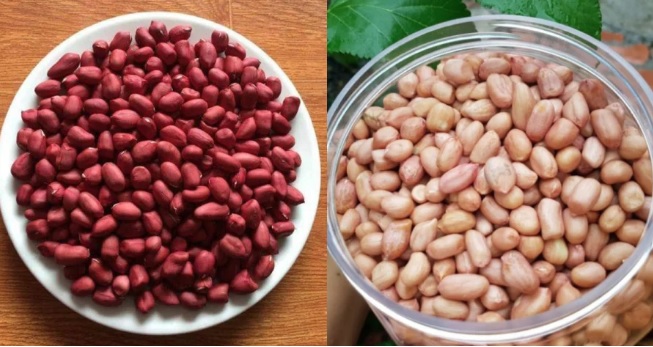
When shopping for peanuts, many people notice that some peanuts have:
- Red skins
while others appear: - White or pale beige
This difference often leads to questions about whether one type is healthier, tastier, or better for certain uses.
Although both red-skinned and white-skinned peanuts belong to the same general peanut family, they may differ in:
- Appearance
- Taste
- Texture
- Nutritional compounds
- Common culinary uses
Understanding these differences may help people choose the type that best fits their preferences and dietary needs.
Are Peanuts Actually Nuts?
Interestingly, peanuts are technically:
- Legumes
not true nuts.
They belong to the same plant family as:
- Beans
- Lentils
- Peas
However, nutritionally and culinarily, peanuts are often grouped with nuts because they contain:
- Healthy fats
- Protein
- Crunchy texture
Why Peanut Skin Color Differs
The skin color depends mainly on:
- Peanut variety
- Genetics
- Growing conditions
The thin outer coating surrounding the peanut seed contains natural pigments and plant compounds.
Some varieties naturally develop:
- Red skins
while others appear: - Light tan
- Pale pink
- Beige

Red-Skinned Peanuts
Red-skinned peanuts are especially common in:
- Asian cuisines
- Traditional snacks
- Boiled peanut dishes
They often appear:
- Smaller
- Slightly sweeter
- More aromatic
compared to some white-skinned varieties.
White-Skinned Peanuts
White or pale-skinned peanuts are often used for:
- Roasting
- Peanut butter
- Processed peanut products
These peanuts may appear:
- Larger
- Milder in flavor
- Creamier in texture
depending on the variety.
1. Difference in Appearance
The most obvious distinction is:
- Skin color
Red peanuts have:
- Thin reddish or dark pink skins
White peanuts typically have:
- Pale beige or light tan skins
Skin color becomes especially visible before roasting or peeling.
Why Peanut Skins Matter
The skin contains:
- Antioxidants
- Fiber
- Plant compounds
Many beneficial nutrients are concentrated in the outer layer.
Removing the skin may slightly reduce certain antioxidant compounds.
2. Difference in Taste
Some people describe red peanuts as:
- Earthier
- Richer
- Slightly sweeter
White peanuts are often considered:
- Milder
- Creamier
- More neutral in flavor
Taste differences may vary depending on:
- Freshness
- Roasting method
- Variety
Roasting Changes Flavor
Roasting peanuts changes:
- Aroma
- Crunchiness
- Sweetness perception
Heat triggers chemical reactions that enhance nutty flavors.
3. Difference in Nutritional Compounds
Both red and white peanuts provide:
- Protein
- Healthy fats
- Fiber
- Vitamins
- Minerals
However, red-skinned peanuts may contain slightly higher levels of certain:
- Antioxidants
- Polyphenols
because of the pigments found in the skin.

Antioxidants in Peanut Skins
The colored skins contain natural plant compounds that may help protect cells from:
- Oxidative stress
Researchers continue studying how antioxidant-rich foods influence long-term health.
Why Oxidative Stress Matters
Oxidative stress occurs when unstable molecules called:
- Free radicals
build up faster than the body can neutralize them.
Antioxidants help support cellular protection.
4. Difference in Culinary Uses
Different peanut varieties are often preferred for different foods.
Red peanuts are commonly used for:
- Boiled peanuts
- Traditional snacks
- Soups
- Asian desserts
White peanuts are often preferred for:
- Peanut butter
- Commercial roasting
- Baking
- Processed peanut products
Texture Differences
Some white peanut varieties develop:
- Softer
- Creamier texture
when processed into peanut butter.
Red peanuts may remain slightly firmer after cooking.
5. Difference in Size
White-skinned peanut varieties are often:
- Larger
while red-skinned peanuts are frequently:
- Smaller
- Denser
However, size varies widely depending on:
- Farming methods
- Peanut species
- Region
Both Types Are Nutrient Dense
Both peanut types contain valuable nutrients including:
- Protein
- Magnesium
- Vitamin E
- Niacin
- Healthy fats
Peanuts may help support:
- Energy
- Fullness
- Muscle maintenance
when eaten in moderation.
Healthy Fats in Peanuts
Peanuts contain mainly:
- Unsaturated fats
These fats are often considered more heart-friendly compared to heavily processed trans fats.
However, portion control still matters because peanuts are calorie-dense.
Protein Content
Peanuts are relatively rich in:
- Plant-based protein
This makes them popular among:
- Vegetarians
- Athletes
- People seeking filling snacks
Protein helps support:
- Muscles
- Tissue repair
- Satiety
Fiber and Digestive Health
Peanuts also contain:
- Dietary fiber
Fiber may help support:
- Digestive regularity
- Fullness
- Gut health
especially when peanuts are consumed with skins.
Are Red Peanuts Healthier?
Some people assume red peanuts are automatically:
- “Better”
because of their antioxidant-rich skins.
While the skins may contain additional plant compounds, both types can fit into healthy diets.
Overall nutrition depends more on:
- Portion size
- Preparation method
- Overall eating habits
Salted vs Unsalted Matters Too
Preparation style may influence health impact more than skin color.
Heavily salted or oil-fried peanuts may contain:
- Excess sodium
- Added oils
- Extra calories
Roasted unsalted peanuts are often considered a more balanced option.
Peanut Allergies
It is important to remember that peanuts are among the most common food allergens.
Peanut allergies may cause:
- Severe reactions
- Breathing difficulty
- Anaphylaxis
Sensitive individuals must avoid all peanut varieties regardless of color.
Storage and Freshness
Peanuts contain oils that may become rancid if stored improperly.
Proper storage includes:
- Cool temperatures
- Dry conditions
- Airtight containers
Fresh peanuts taste significantly better and maintain nutritional quality longer.
Boiled Peanuts vs Roasted Peanuts
Preparation methods may also affect:
- Texture
- Taste
- Nutrient retention
Boiled peanuts remain softer and more moist, while roasted peanuts become:
- Crunchier
- More aromatic
Peanut Butter and Processing
Commercial peanut butter products may contain:
- Added sugar
- Salt
- Oils
Natural peanut butter generally contains fewer added ingredients.
Why Peanuts Are Popular Worldwide
Peanuts are widely consumed because they are:
- Affordable
- Filling
- Versatile
- Nutrient-rich
They fit into:
- Snacks
- Sauces
- Desserts
- Savory dishes
across many cultures.
Moderation Is Important
Although peanuts contain beneficial nutrients, they are also:
- Calorie-dense
Overeating large quantities regularly may contribute to excessive calorie intake.
Balance remains key.

Final Thoughts
Red-skinned and white-skinned peanuts share many nutritional similarities, but they differ in appearance, flavor, texture, antioxidant content, and common culinary uses. Red peanuts often contain slightly more antioxidant compounds in their skins and are commonly used in traditional dishes, while white peanuts are frequently preferred for roasting and peanut butter production.
Both types can provide protein, healthy fats, fiber, and important minerals when consumed in moderation as part of a balanced diet. Rather than focusing only on skin color, overall preparation methods, portion sizes, and dietary balance play much larger roles in determining the health value of peanuts.