The Moment I Took Control of My Life: A Story of Rebirth at 73
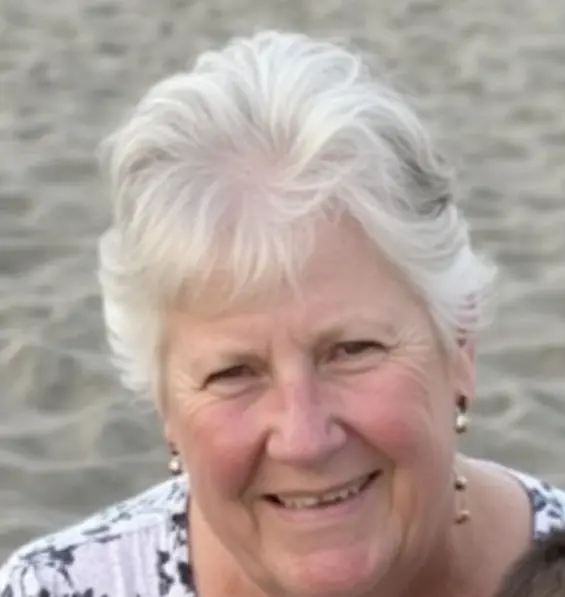
The moment I took control of my life: a story of rebirth at 73 began on an ordinary Tuesday morning, the kind where the world expected nothing from me and I expected nothing from myself. I stood in my kitchen, staring at the lukewarm cup of tea I had been drinking the same way for decades—half asleep, half resigned, half living. At seventy-three, people assume your story is mostly finished. They assume your choices are behind you, your routines cemented, your future fixed. I had believed that too, right up until the day I realized I had spent most of my life letting other people steer my path while I just… followed. It wasn’t a dramatic awakening. No thunder. No tragedy. Just a quiet, startling thought: Is this really all that’s left for me? I placed the teacup down and looked around my small living room. Everything inside it had been chosen by someone else—my late husband, my children, neighbors with stronger opinions than mine. Even the curtains weren’t mine, just leftovers from a life that had felt more like an obligation than a journey. I walked to the hallway mirror, something I barely looked into anymore. A woman with silver hair, soft wrinkles, and tired eyes stared back. I whispered to her, “Who are you now?” She didn’t answer, but her gaze felt different—as if she were waiting. The first decision I made that day was incredibly small but felt like moving a mountain. I picked up the phone and canceled my weekly card club meeting. A group I didn’t enjoy, hosted by women I didn’t relate to, out of a sense of routine rather than friendship. They reacted exactly as expected—gasps, questions, judgment disguised as concern. But for the first time, I didn’t apologize. I simply said, “I won’t be coming anymore.” And hung up. That was the beginning. The next change came unexpectedly. I opened my closet and realized I hated half the clothes inside. Drab colors. Stiff fabrics. Outfits chosen to “age gracefully,” whatever that meant. I drove to the nearest boutique, walked up to the most surprised-looking young salesperson, and told her, “Help me find something that makes me feel alive.” Her smile lit up the whole store. I left with a bright red dress. I hadn’t worn red since I was twenty-six. When I put it on that evening, I felt something warm in my chest—freedom, maybe. Or the memory of who I might’ve been if I had chosen differently decades ago. The biggest shift, however, came two weeks later. My daughter called, insisting I should move in with her since “living alone isn’t appropriate at your age.” I inhaled deeply before answering. “I love you,” I said. “But I’m not helpless. And I’m not done living.” There was silence on the line. She had never heard that tone from me. Not once. For years, I had been the agreeable mother, the quiet widow, the grandmother who babysat on command. Suddenly, I was someone with boundaries. Over the next few days, something strange happened—people got uncomfortable. My son asked if I was feeling alright. My neighbor assumed I was going through a crisis. My sister told me I was “too old to change.” But I felt lighter than I had in years. Then came the moment that changed my life completely. I attended a writing workshop at the community center. I had loved writing when I was young—I filled journals with stories and poems, dreams and thoughts—but life had swallowed that version of me whole. When I walked into the workshop, I expected to sit quietly in the back and observe. Instead, the instructor asked everyone to write the first sentence of the story they were scared to tell. My hand trembled slightly as I wrote: I lost myself long before I grew old. The instructor read it over my shoulder, looked at me with gentle eyes, and said, “That’s not the end. That’s the beginning.” Something inside me loosened, cracked open, and breathed for the first time in decades. I went home and wrote for hours—pages and pages pouring out of me like a river breaking through a dam. Stories of my childhood, my early marriage, the dreams I abandoned, the pain I swallowed, the joys I never celebrated. I wrote until my hands hurt and my heart felt strangely full. The next workshop, I read a short piece aloud. My voice shook, but I didn’t stop. When I finished, the room was quiet before erupting in applause. The instructor placed a hand on my shoulder. “You have a gift,” she said. “Don’t hide it again.” So I didn’t. I joined a writing group. I published small pieces in online magazines. I even started a memoir—not for fame, but to reclaim the life I had forgotten belonged to me. Stretching beyond writing, I enrolled in dance classes—slow, gentle movements at first. My teacher said, “Your bones may be seventy-three, but your spirit isn’t.” I laughed, the kind of laugh that feels like coming back to life. New friends entered my circle—people who didn’t see me as an elderly woman, but simply as me. We went for walks, attended art exhibitions, shared meals that lasted hours. My days grew full—not busy, but meaningful. And then, surprisingly, there was a man. He was a retired architect with kind eyes, a soft voice, and a patience I hadn’t known in my first marriage. We met at a garden club meeting I joined on a whim. He asked if I wanted to see an exhibit with him. I said yes. Not because I needed companionship, but because I wanted experience. He listened when I spoke. He respected my independence. He never treated me like someone fragile. For the first time in decades, I felt visible. Wanted. Alive. One evening, he asked me, “Why did you decide to change your life now?” I thought for a moment before answering. “Because I finally realized the clock isn’t my enemy. Regret is.” He smiled gently. “Then I’m glad you chose to live.” “So am I,” I whispered. My family adjusted over time. My daughter stopped trying to control me. My son finally saw I wasn’t breakable. My grandchildren adored my new hobbies, bragging to their friends that their grandmother danced and wrote “like a cool movie character.” But the greatest change was internal. I began waking up each morning with excitement instead of routine. I discovered hidden parts of myself—courage, creativity, joy. I realized age didn’t diminish the capacity for transformation. It sharpened it. One afternoon, I revisited the mirror in my hallway. The woman staring back still had silver hair and wrinkles, but her eyes were bright, focused, awake. She wasn’t waiting anymore. She was living. And for the first time, I whispered to her, “I’m proud of you.” At seventy-three, I didn’t reinvent the world. I reinvented myself. And that rebirth was the moment my life truly began.