Garlic has been part of traditional cooking and wellness practices for centuries. Its strong aroma and distinctive flavor make it easy to recognize, but garlic contains more than just compounds responsible for its taste and smell. It also provides a variety of sulfur-containing compounds and plant nutrients that have attracted scientific interest.
One area that continues to receive attention is urinary health.
Garlic is sometimes described online as a natural antibacterial remedy for urinary tract problems. However, that claim needs some context. While laboratory research suggests that certain compounds in garlic may have antimicrobial activity, this does not mean that eating garlic can treat a urinary tract infection or replace medical care.
Instead, garlic is best viewed as a nutritious food that may offer supportive benefits as part of an overall healthy lifestyle.

Why Garlic Has Attracted Attention
Garlic belongs to the Allium family, alongside onions, shallots, leeks, and chives.
When garlic is cut, crushed, or chopped, its cells are broken open. This allows enzymes to interact with sulfur-containing compounds and produce allicin, one of the compounds most commonly associated with garlic's biological activity.
Allicin and related sulfur compounds have been studied for their potential antimicrobial and antioxidant properties.
This is one reason garlic has become so interesting to researchers.
However, there is an important distinction between what happens in a laboratory and what happens inside the human body.
A substance may inhibit microorganisms under controlled laboratory conditions without producing the same effect when a person simply eats the food.
So while garlic is an interesting ingredient from a nutritional and biological perspective, it should not be presented as a guaranteed treatment for urinary infections.
Garlic and Its Potential Antibacterial Properties
The urinary tract can be vulnerable to bacterial infections, particularly urinary tract infections, commonly known as UTIs.
Because some bacteria can cause urinary infections, researchers have investigated whether naturally occurring compounds in foods such as garlic may interact with microorganisms.
Laboratory studies have found that certain garlic compounds can demonstrate antimicrobial activity against various microorganisms.
This has led to considerable interest in garlic's potential role in supporting general wellness.
But it's important not to make the leap from:
"Garlic compounds can affect bacteria in laboratory studies"
to:
"Eating garlic cures a urinary tract infection."
Those statements are not equivalent.
A diagnosed infection may require appropriate medical evaluation and treatment, particularly when symptoms are significant or worsening.
What Makes Allicin Interesting?
Allicin is probably the compound most people associate with garlic's antibacterial reputation.
Interestingly, intact garlic doesn't simply contain large amounts of ready-made allicin.
Instead, allicin is produced when garlic tissue is damaged.
When you crush or chop a fresh garlic clove, an enzyme called alliinase helps convert a sulfur-containing compound called alliin into allicin.
This chemical reaction contributes to garlic's characteristic smell and some of its biological activity.
That's one reason freshly crushed garlic has attracted so much scientific attention.
However, the amount of active compounds that ultimately reach the body can vary depending on factors such as preparation, cooking, storage, and digestion.

Garlic Is More Than One Compound
Although allicin receives most of the attention, garlic contains a broader collection of sulfur-containing compounds.
These compounds contribute to the plant's distinctive characteristics and are part of the reason garlic has been studied for potential effects on different aspects of human health.
Garlic also contributes small amounts of nutrients and plant compounds to the diet.
Depending on the amount consumed, garlic can provide compounds with antioxidant properties as well.
Antioxidants help protect cells from oxidative stress, which is a normal biological process that can increase under certain conditions.
While this doesn't make garlic a cure for any particular disease, it adds to the food's overall nutritional value.
Could Garlic Help Maintain Urinary Wellness?
This is where it is important to use realistic language.
Garlic may contribute to general wellness, and its antimicrobial properties are scientifically interesting.
However, there isn't enough evidence to say that eating garlic prevents urinary tract infections or reliably treats them.
Urinary wellness depends on many factors, including:
-
Adequate hydration
-
Regular urination
-
General hygiene
-
Overall nutrition
-
Individual anatomy
-
Age
-
Certain medical conditions
-
Sexual activity
-
Some medications and health circumstances
No single food can control all of these factors.
Garlic can therefore be part of a balanced diet, but it shouldn't be considered a stand-alone strategy for urinary health.
Hydration Still Matters
When discussing urinary wellness, hydration deserves much more attention than any individual food.
Water helps the body maintain normal physiological functions and allows the kidneys to produce urine.
Drinking adequate fluids can also support normal urinary habits.
However, individual fluid needs vary.
People with certain medical conditions may be advised to limit their fluid intake, so recommendations should always be adjusted to personal circumstances.
Garlic cannot compensate for inadequate hydration.
If you're trying to support urinary health, eating nutritious foods while maintaining appropriate fluid intake is a more sensible approach than relying on one ingredient.
Garlic Doesn't Replace Antibiotics
This point is especially important.
If you have symptoms that could indicate a urinary tract infection, garlic should not be used as a substitute for professional medical evaluation.
Common UTI symptoms can include:
-
Burning or pain during urination
-
Frequent urination
-
A strong urge to urinate
-
Lower abdominal discomfort
-
Cloudy or unusual-smelling urine
More serious symptoms can include fever, chills, back or side pain, nausea, or vomiting.
These symptoms may indicate that an infection has become more serious and requires prompt medical attention.
A food with potential antimicrobial properties is not equivalent to a clinically tested antibiotic.
Why Treating a UTI at Home Can Be Risky
One reason medical evaluation matters is that urinary infections can sometimes spread beyond the bladder.
If bacteria move toward the kidneys, the infection can become more serious.
Someone who assumes that garlic, supplements, or another home remedy will eliminate the infection may delay appropriate treatment.
That delay can create unnecessary risk.
Garlic can still be enjoyed as part of a healthy diet, but food and medicine have different roles.
Nutrition supports overall health.
Medical treatment addresses diagnosed infections.
Keeping those roles separate is important.
How to Include Garlic in Your Diet
For most people, garlic is easy to incorporate into everyday meals.
You can add fresh garlic to:
Roasted vegetables: Garlic pairs well with potatoes, carrots, broccoli, cauliflower, and other vegetables.
Soups: Chopped or minced garlic can add flavor without requiring large amounts of salt.
Beans and lentils: Garlic works well with plant-based protein sources.
Whole grains: Add garlic to rice, quinoa, barley, or other grains alongside vegetables and protein.
Homemade sauces: Garlic can provide a strong flavor base for tomato sauces, dressings, and marinades.
The goal is not to consume huge amounts.
A balanced diet containing a variety of vegetables, fruits, whole grains, legumes, and protein sources is more important than focusing excessively on one ingredient.
Raw Garlic vs. Cooked Garlic
You may have heard that raw garlic is dramatically more beneficial than cooked garlic.
There is some chemistry behind this idea.
Because crushing garlic initiates the process that produces allicin, preparation method can affect the compounds present.
Heat can also alter certain garlic compounds.
This doesn't mean cooked garlic is "bad" or nutritionally worthless.
Cooking changes the chemical composition of many foods, but cooked garlic can still contribute flavor and plant compounds to a healthy diet.
For everyday eating, the most important thing is to choose a preparation method you enjoy and can use consistently.
What About Garlic Supplements?
Garlic supplements are widely available and are often marketed for cardiovascular, immune, or antimicrobial benefits.
But supplements aren't automatically better than food.
Different products contain different forms and concentrations of garlic compounds.
Some are designed to preserve particular compounds, while others use aged garlic extracts or other preparations.
The effects seen in studies of one specific garlic preparation may not apply to every supplement on the market.
If you're considering concentrated garlic supplements, especially if you take prescription medications, it's wise to speak with a healthcare professional first.
Garlic supplements may interact with certain medications, including some drugs that affect blood clotting.
More Garlic Isn't Necessarily Better
It's tempting to assume that if a food contains beneficial compounds, eating more will produce greater benefits.
That isn't necessarily true.
Large quantities of garlic may cause digestive discomfort in some people.
Possible effects can include:
-
Heartburn
-
Stomach discomfort
-
Gas
-
Nausea
-
Strong breath or body odor
People with sensitive digestive systems may tolerate smaller amounts better.
Moderation is usually the more practical approach.
Garlic and Overall Health
Even though the evidence surrounding garlic and urinary health remains limited, garlic can still be a valuable ingredient in a healthy eating pattern.
It allows people to add strong flavor without relying heavily on salt, sugar, or highly processed sauces.
That can make healthy meals more enjoyable and easier to maintain over time.
Garlic has also been studied in relation to several other areas of health, including cardiovascular risk factors and immune function.
Research continues, and scientists are still investigating how garlic's many compounds interact with the human body.
The important thing is to distinguish promising research from established medical treatment.
A Healthy Urinary Routine Goes Beyond Food
If urinary health is your priority, consider the bigger picture.
Stay appropriately hydrated.
Don't routinely ignore the urge to urinate.
Maintain good personal hygiene.
Eat a varied, nutrient-rich diet.
Stay physically active.
And pay attention to unusual urinary symptoms rather than trying to mask them with home remedies.
These basic habits are far more dependable than searching for one "miracle" ingredient.
Garlic can fit comfortably into that routine as a flavorful, nutrient-containing food.
When You Should Seek Medical Care
Don't rely on garlic or other home remedies if you develop concerning urinary symptoms.
Seek medical advice if you experience persistent pain or burning when urinating, blood in your urine, fever, chills, significant back or side pain, vomiting, or symptoms that are getting worse.
Pregnant people, older adults, children, and people with certain underlying medical conditions may require particularly prompt evaluation when urinary symptoms appear.
Getting appropriate treatment early can help prevent complications.
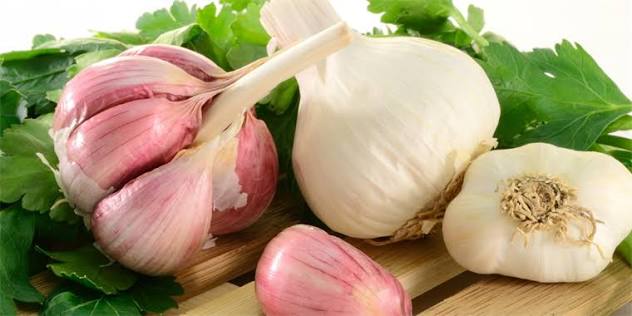
The Bottom Line
Garlic is a fascinating food with a long history of culinary and traditional use. Its sulfur-containing compounds—particularly compounds formed when garlic is crushed—have demonstrated antimicrobial activity in laboratory research.
That provides an interesting scientific basis for studying garlic and urinary wellness.
But it does not prove that eating garlic can cure a urinary tract infection or replace antibiotics.
The most realistic way to think about garlic is as one nutritious ingredient within a broader healthy lifestyle.
Use it to flavor vegetables, soups, grains, beans, and other meals. Combine a balanced diet with appropriate hydration, regular physical activity, and good personal hygiene.
And if symptoms suggest a urinary infection, don't wait for garlic to solve the problem.
Garlic may have promising natural properties, but your urinary health is best protected by evidence-based care and consistent healthy habits—not by relying on a single food.