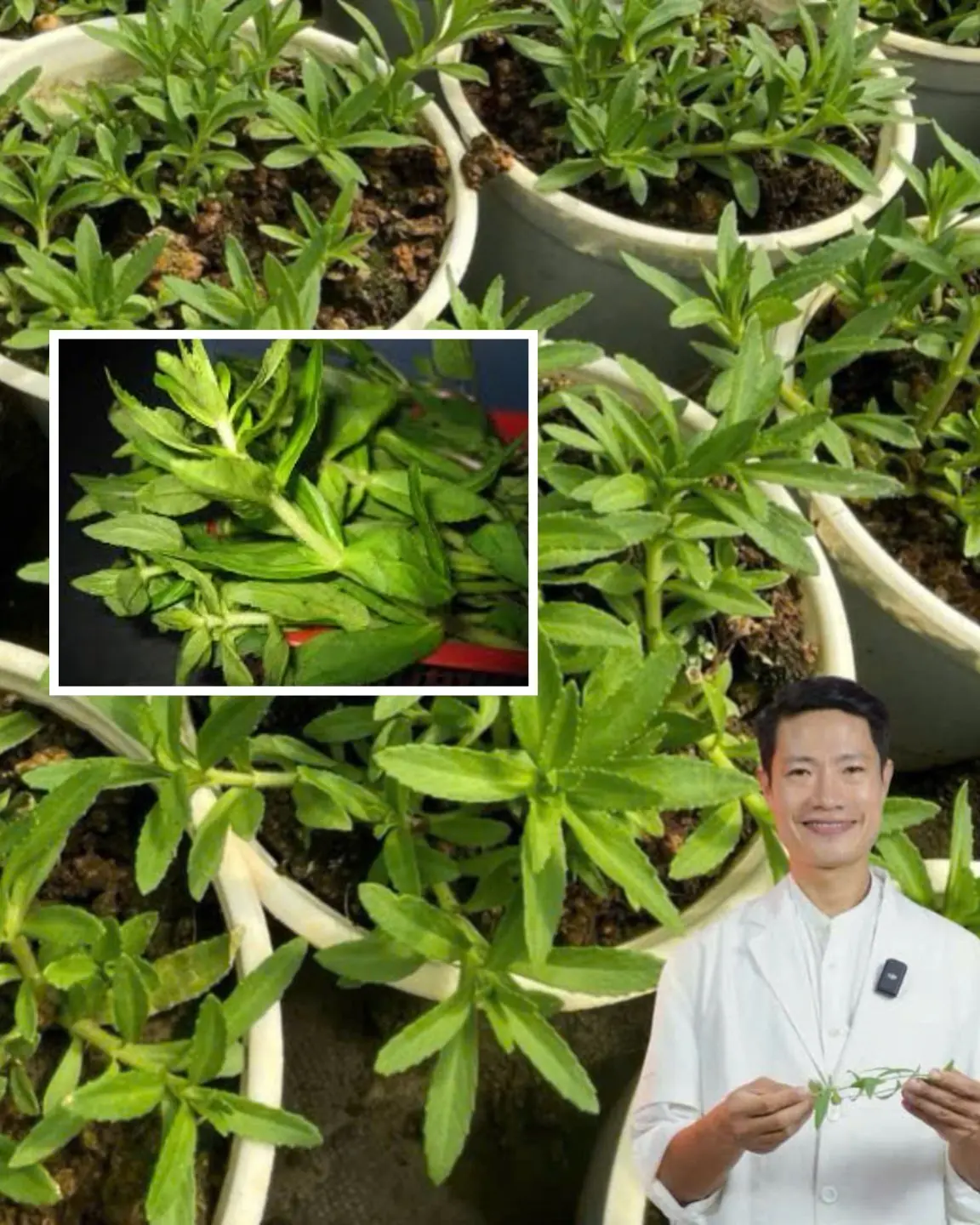
✅ Is "rau ngổ" (limnophila aromatica) good for people with kidney stones?
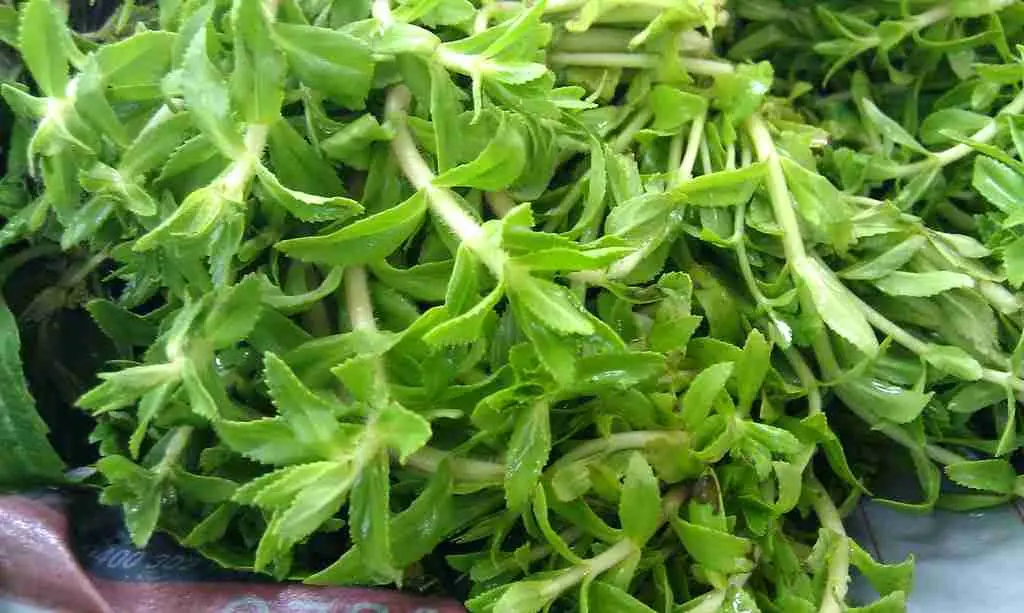
Rau ngổ (also known as ngò om, scientific name Limnophila aromatica) is a common aromatic herb in Vietnamese cuisine and is also used in traditional herbal medicine. The question of whether it benefits people with kidney stones is frequently asked. Here’s a detailed and science-based answer:
✅ Rau ngổ may support the treatment of mild kidney stones and help prevent recurrence
According to traditional medicine and some modern pharmacological studies:
-
Rau ngổ has diuretic properties, which helps increase urine output and flush out sediment from the kidneys and bladder — one of the main causes of kidney stone formation.
-
Certain compounds in rau ngổ, such as flavonoids, coumarins, and essential oils, may help relax smooth muscles in the urinary tract, potentially assisting in the passage of small stones.
-
It also has mild anti-inflammatory effects, which may ease discomfort caused by kidney stones.
🔬 Scientific evidence:
-
A study published in the Vietnamese Journal of Medicinal Plants showed that rau ngổ extract had a significant diuretic effect on lab animals.
-
Small-scale studies in Southeast Asia suggest rau ngổ may help reduce the size of calcium oxalate stones, which are the most common type of kidney stones.
⚠️ Important notes:
-
It is not a replacement for medical treatment:
Rau ngổ should only be used as a supportive remedy, not a substitute for conventional treatments such as medication, lithotripsy (shock wave therapy), or surgery. -
Not suitable for everyone:
It should not be used by individuals with digestive weakness, ongoing diarrhea, or pregnant women, as it has a cooling nature and may affect the uterus. -
Use it properly:
-
You can drink fresh rau ngổ juice (around 50–100g daily), or boil it to make a herbal tea.
-
Avoid overuse, as too much raw rau ngổ may cause stomach discomfort or digestive upset.
-
✅ Conclusion:
Rau ngổ may aid in diuresis, relax urinary tract muscles, and relieve symptoms of mild kidney stones. However, patients should also maintain a healthy diet, drink enough water, and follow medical treatment. For large or painful stones, consult a medical professional.