When people think about bananas, the sweet yellow fruit usually gets all the attention. But there is another part of the banana plant that has been enjoyed as a food for generations: the banana blossom.
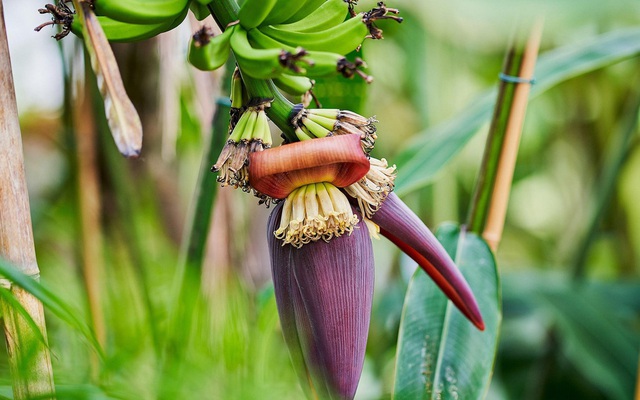
Also called banana flower, banana blossom is the large, teardrop-shaped flower that grows at the end of a banana cluster. Beneath its deep purple-red outer leaves are tender florets that can be prepared in salads, soups, curries, stir-fries, and other dishes.
For many people, banana blossom may look unusual at first. Yet this traditional ingredient can be a surprisingly nutritious addition to a varied diet. It provides fiber, plant compounds, vitamins, minerals, and relatively few calories, depending on how it is prepared.
While banana blossom should not be viewed as a miracle food or a treatment for disease, its nutritional profile makes it an interesting ingredient for people looking to include more plant-based foods in their meals.
Here is a closer look at what banana blossom has to offer.
:quality(75)/cach_thai_va_ngam_hoa_chuoi_f96746c6a7.jpg)
What Is Banana Blossom?
Banana blossom is the flower of the banana plant.
It typically hangs beneath the bunch of developing bananas and has thick, overlapping outer leaves that range from purple to reddish-purple.
When those outer leaves are peeled away, rows of small flowers can be found inside.
The tender inner portions are edible and can be cooked in several ways.
In countries across Southeast Asia and South Asia, banana blossom has long been used in traditional cuisine. It may be sliced thinly and added to salads, cooked with spices, simmered in curries, or combined with coconut milk and other vegetables.
Its flavor is relatively mild, with a slightly earthy and vegetal character. The texture can become pleasantly tender after cooking while retaining a little firmness.
1. A Good Source of Dietary Fiber
One of the most interesting nutritional features of banana blossom is its dietary fiber.
Fiber is an important part of a balanced diet because it supports normal digestive function and can help promote feelings of fullness after meals.
Including fiber-rich foods such as vegetables, fruits, legumes, whole grains, nuts, seeds, and edible plant parts can make it easier to meet daily fiber needs.
Banana blossom can contribute to that overall intake.
However, the exact amount of fiber depends on the variety, preparation method, and serving size.
2. Fiber Can Support Digestive Health
The fiber in banana blossom can be beneficial for the digestive system.
Certain types of dietary fiber help add bulk to stool and support regular bowel movements. Other types can be fermented by gut microorganisms, contributing to the production of compounds that support a healthy intestinal environment.
This doesn't mean banana blossom will instantly solve digestive problems.
But incorporating a variety of plant foods into your diet can help provide the different types of fiber your digestive system needs.
For people who don't normally eat many vegetables, adding ingredients such as banana blossom can be one way to increase dietary variety.
3. It Can Help You Build More Satisfying Meals
Foods containing fiber and water can contribute to fullness, which can be useful when building balanced meals.
Banana blossom is relatively low in calories compared with many heavily processed foods, particularly when prepared with modest amounts of oil or rich sauces.
Adding it to a meal can increase the volume and texture of the dish without necessarily adding a large amount of energy.
Of course, preparation matters.
A banana blossom dish cooked with large quantities of coconut milk, oil, sugar, or other calorie-dense ingredients can be very different nutritionally from a lightly steamed or stir-fried version.
4. Banana Blossom Contains Important Minerals
Banana blossom provides several minerals, although the exact nutritional content can vary.
Depending on the variety and serving, it can contribute minerals such as potassium, magnesium, phosphorus, calcium, iron, and zinc.
These nutrients perform different roles throughout the body.
For example, potassium contributes to normal muscle and nerve function and helps maintain normal fluid balance.
Magnesium is involved in numerous biochemical reactions, including those related to energy metabolism and muscle and nerve function.
Iron is needed for the production of hemoglobin, which carries oxygen throughout the body.
No single food supplies every nutrient a person needs, so banana blossom is best considered one component of a diverse diet.
5. It Provides Plant-Based Antioxidant Compounds
Banana blossom contains various naturally occurring plant compounds, including phenolic compounds and flavonoids.
These substances are often studied because of their antioxidant activity.
Antioxidants can help protect cells from oxidative stress by interacting with reactive molecules in the body.
However, it's important to keep the science in perspective.
Laboratory studies showing antioxidant activity do not automatically prove that eating a particular food prevents disease in humans.
Rather than thinking of banana blossom as a medicinal food, it's more accurate to view it as one of many plant foods that contribute beneficial compounds to an overall healthy eating pattern.
6. It Adds Variety to a Plant-Rich Diet
One of the biggest advantages of banana blossom may be something surprisingly simple: variety.
Eating a wide range of vegetables, fruits, legumes, whole grains, nuts, seeds, and other plant foods increases the range of nutrients and plant compounds available in the diet.
If you regularly eat the same vegetables, banana blossom can provide a completely different texture and culinary experience.
This can make healthy eating more interesting and sustainable.
After all, a nutritious diet doesn't have to be boring.

7. Banana Blossom Can Be Part of a Heart-Healthy Eating Pattern
Banana blossom itself shouldn't be marketed as a food that directly "cleans" arteries or prevents heart disease.
However, it can fit comfortably into an eating pattern associated with cardiovascular health.
A meal centered around vegetables, legumes, whole grains, lean protein, healthy fats, and minimally processed foods is generally a better foundation for heart health than a diet dominated by highly processed foods.
Banana blossom can take the place of some less nutritious ingredients while adding fiber and plant-derived nutrients.
The overall dietary pattern matters much more than any single food.
8. It May Help Support a Balanced Diet for Weight Management
Because banana blossom can add bulk, texture, and fiber to meals without necessarily contributing many calories, it may be useful in a diet focused on maintaining a healthy body weight.
For example, finely sliced banana blossom can be combined with vegetables and a source of protein to create a satisfying meal.
The key is what goes around it.
A vegetable-rich banana blossom salad with a moderate dressing has a very different nutritional profile from a dish heavily fried or covered in a rich sauce.
Preparation can make a major difference.
9. It Can Be a Useful Meat Alternative in Some Dishes
Banana blossom has an interesting texture that has made it popular in some plant-based recipes.
When prepared correctly, the tender inner parts can develop a texture that works well in dishes designed to replace shredded or flaky ingredients.
Some cooks use it in:
-
Plant-based tacos
-
Curries
-
Stir-fries
-
Sandwich fillings
-
Salads
-
Fritters
-
Soups
-
Rice dishes
It isn't nutritionally identical to meat, however.
If banana blossom is being used as a meat substitute, it's important to include another protein source such as beans, lentils, tofu, tempeh, eggs, fish, dairy, or another appropriate food.
10. It Contains Vitamin C and Other Micronutrients
Banana blossom can provide vitamin C, along with other micronutrients in smaller amounts.
Vitamin C is an essential nutrient involved in normal immune function, collagen production, wound healing, and antioxidant protection.
It also improves the absorption of non-heme iron found in plant foods.
Because nutrient levels vary considerably depending on the plant variety and preparation method, banana blossom shouldn't be relied upon as a primary source of any particular vitamin.
Instead, it can contribute to the overall nutritional diversity of a meal.
11. Its Nutrients Can Complement Other Foods
One of the best ways to enjoy banana blossom is to combine it with other nutritious ingredients.
For example, pairing it with beans or lentils provides protein and additional fiber.
Adding leafy greens introduces more vitamins and minerals.
Including a source of healthy fat can improve the overall balance of the meal.
Combining foods this way is much more useful than focusing on one "superfood."
A healthy diet is built from patterns rather than isolated ingredients.
12. Banana Blossom Has a Long Culinary Tradition
Banana blossom isn't a newly discovered health food.
It has been part of traditional food cultures for generations.
In Thailand, the Philippines, Indonesia, India, Sri Lanka, Vietnam, and other regions, different parts of the banana plant have been incorporated into everyday cooking.
This long culinary history is important because it demonstrates how communities have found practical ways to use the entire plant rather than wasting edible portions.
Today, banana blossom is also becoming more familiar internationally as interest in traditional foods and plant-based cuisine continues to grow.
How to Prepare Banana Blossom
Preparing banana blossom can require a little more effort than preparing an ordinary vegetable.
The tougher outer leaves are usually removed first.
The tender inner flower portions are then separated and sliced.
One issue is that freshly cut banana blossom can darken or discolor when exposed to air.
To help reduce browning, cooks often place the sliced pieces in water containing an acidic ingredient such as lemon juice or vinegar.
After that, the blossom can be cooked according to the recipe.
Some varieties may have a slightly bitter or astringent quality, so soaking or blanching can help improve the flavor and texture.
Simple Ways to Add It to Your Diet
If you've never tried banana blossom before, you don't need to create an elaborate recipe.
Try adding thinly sliced banana blossom to a vegetable stir-fry.
You can also combine it with herbs, vegetables, and a light dressing for a fresh salad.
Another option is to simmer it in a curry with beans, lentils, or tofu.
It can also be cooked with garlic, onions, chili, ginger, and other seasonings.
The best preparation method is ultimately the one that makes you want to eat more nutritious plant foods regularly.
Fresh, Canned, or Packaged Banana Blossom?
Banana blossom may be sold fresh, canned, jarred, or packaged depending on where you live.
Fresh blossom can require more preparation.
Canned versions are often more convenient because much of the preparation has already been done.
However, it's worth checking the nutrition label.
Some packaged products may contain significant amounts of sodium, particularly when preserved in brine.
If you're watching your sodium intake, rinsing canned banana blossom thoroughly can help reduce some of the surface sodium, although it won't eliminate all of it.
A Few Things to Keep in Mind
Despite its nutritional appeal, banana blossom isn't a miracle ingredient.
Claims that it can "detox" the body, cure disease, dramatically lower blood sugar, or treat serious medical conditions should be approached cautiously.
Some laboratory and animal studies have investigated possible biological effects of banana blossom compounds, but evidence from human clinical research is more limited.
That distinction matters.
A food can be nutritious without being a medicine.
The most reliable approach is to enjoy banana blossom as part of a varied diet rather than expecting it to produce dramatic health effects by itself.
Who Should Be Careful?
Most people can enjoy banana blossom as part of a normal diet.
However, anyone with food allergies, significant digestive sensitivities, or a medically prescribed diet should consider their individual needs.
People taking medications or managing conditions that require specific dietary restrictions should also check with a healthcare professional when introducing unfamiliar foods in large amounts.
And as with any fresh produce, proper washing, preparation, and food storage are important.
The Bigger Benefit: Eating More Whole Plant Foods
Perhaps the most useful lesson from banana blossom isn't about one particular nutrient.
It's about the value of eating a broader range of minimally processed plant foods.
Modern diets can easily become repetitive.
We might rotate between the same handful of vegetables and fruits without realizing how many edible plants exist around the world.
Banana blossom offers another option.
It brings a different texture, a different culinary tradition, and a combination of fiber and plant compounds to the table.
That diversity can make a healthy eating pattern more enjoyable.
Final Thoughts
Banana blossom may not be as famous as the fruit that grows from the banana plant, but it deserves a little more attention.
It provides dietary fiber, minerals, vitamin C, and a variety of naturally occurring plant compounds, while offering a unique texture that works in everything from salads and curries to stir-fries and plant-based dishes.
Its potential benefits are best understood in the context of an overall healthy diet. It isn't a cure-all, and eating banana blossom alone won't replace medical treatment or compensate for an otherwise poor diet.
But as part of a varied menu rich in vegetables, fruits, legumes, whole grains, nuts, seeds, and other minimally processed foods, it can be a nutritious and interesting choice.
Sometimes, the foods we overlook are the ones that make our diets more diverse.
Banana blossom is a great reminder that there is often more nutritional value—and more culinary potential—in a plant than we initially realize.