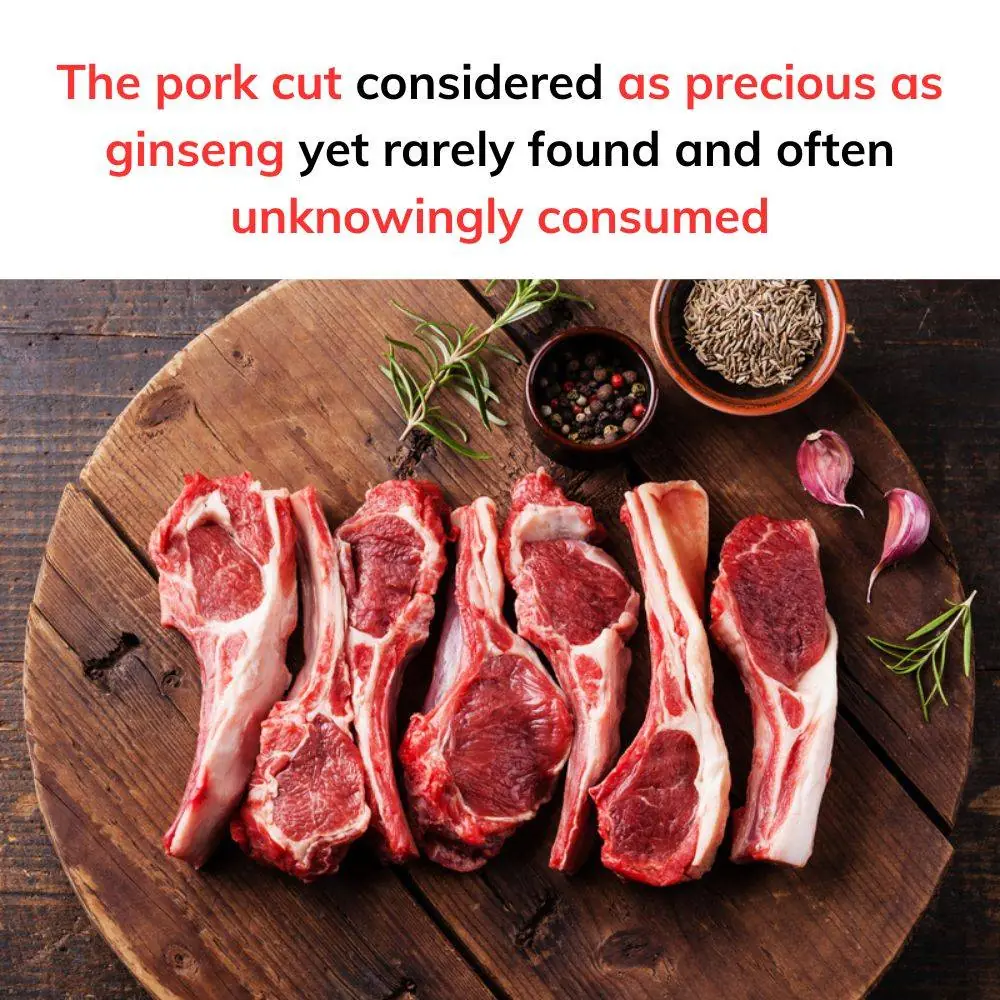
The Pork Cut Considered "As Precious as Ginseng" Yet Rarely Found and Often Unknowingly Consumed
Pork is a common staple on the dining tables of many families, but not everyone knows about this specific part of the pig that is both delicious and highly nutritious.
Pork has long been a familiar ingredient in Asian daily meals. It is not only affordable but also rich in nutrients and versatile in preparation methods.
Nutritional Value and Health Benefits of Pork
For every 100g of cooked pork, the body can gain approximately 26g of protein, 21g of fat, and an array of essential vitamins and minerals. Vitamins B1, B6, and B12 in pork support metabolism, blood cell formation, and brain function improvement. Additionally, the high iron and zinc content in pork helps prevent anemia and strengthens immunity.
Particularly, pork protein contains essential amino acids that help maintain muscle mass and reduce the risk of muscle degradation in old age. Beta-alanine in pork enhances muscle strength and boosts physical performance. Pork also provides easily absorbed iron and selenium, the latter supporting thyroid function. A 170g serving of pork can meet the daily selenium requirement.
Despite being a common food, not everyone knows about a specific part of the pig considered exceptionally valuable due to its rarity, exquisite taste, and high nutritional value: the cheek meat, particularly the inner cheek or "má đào."
Why Is Inner Cheek Meat Considered a Delicacy?
While many are familiar with cheek meat, it actually consists of two types: the outer cheek and the inner cheek (má đào). The inner cheek is a rare delicacy, with only 200–300g available per pig. Unlike the outer cheek, which is fattier, the inner cheek has a unique composition of tender connective tissue interspersed with lean meat and fat.
The connective tissue in the inner cheek is soft, delicate, and not tough, blending perfectly with the creamy fat to create an unparalleled texture. Those who have tasted this part describe it as naturally sweet, tender, and unforgettable, even after multiple servings.
Beyond its flavor, the inner cheek is rich in collagen, which promotes healthy, elastic skin and supports the flexibility of connective tissues. Its protein and fat content provide essential energy, making it particularly suitable for the elderly or those recovering from illness.
Health Benefits of Inner Cheek Fat
Although the inner cheek contains fat, it primarily consists of healthy unsaturated fats. This part is also rich in vitamins and minerals such as B12, iron, magnesium, and zinc. Its protein is easily absorbed, and it retains moisture, making it highly desirable. Additionally, the inner cheek emits a distinct aroma when cooked and can be prepared in various ways.
Tips for Selecting Inner Cheek Meat
Due to its scarcity, inner cheek meat often sells out quickly at markets and is highly sought after in supermarkets. To secure this delicacy, shoppers should visit markets early or place orders in advance. When purchasing, consider the following tips to select fresh, high-quality meat:
- Color: Fresh inner cheek meat has a natural pinkish-red hue, free from dark or pale discoloration, with visible interlaced connective tissue and lean meat.
- Elasticity: Fresh meat feels firm and has good elasticity when pressed, which is a sign of quality. Inner cheek meat tends to be more elastic than other parts due to its unique combination of connective tissue, fat, and lean meat.
- Smell and Surface: Avoid meat with an unpleasant odor, signs of mold, or excessive moisture. It should feel dry to the touch and not sticky or watery.
- Preservation: Avoid meat that has been water-injected or frozen for too long, as this can compromise its flavor and nutritional value.
With these tips in mind, you can enjoy the rare and nutritious delight of inner cheek pork, a true treasure from the pig that is well worth savoring.