Garlic has been valued for thousands of years - not only as a flavorful ingredient in cooking but also as a traditional remedy in many cultures. Ancient civilizations, including those in Egypt, Greece, China, and India, used garlic for a variety of purposes, believing it could support overall health and vitality. Today, garlic remains one of the most widely studied herbs in nutrition science, with researchers continuing to investigate its potential effects on heart health, immune function, and overall wellness.
One popular health trend suggests eating raw garlic first thing in the morning on an empty stomach. Supporters claim this habit can "detox" the body, boost immunity, improve digestion, and even prevent chronic diseases. While garlic does contain beneficial compounds, it's important to separate traditional beliefs from scientific evidence.
Current research suggests that garlic can be a healthy addition to a balanced diet, but there is no strong evidence that eating it specifically on an empty stomach provides unique health benefits compared with eating it at other times of the day. In fact, some people may experience stomach irritation if they consume raw garlic without food.
Let's explore what garlic contains, its potential health benefits, possible risks, and how to include it safely in your daily routine.
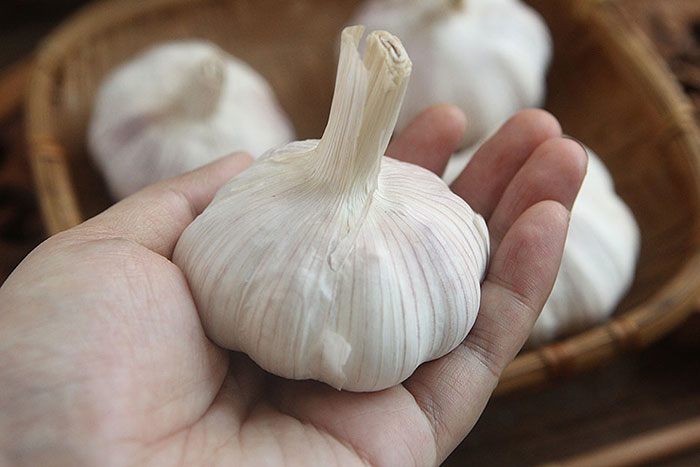
What Makes Garlic So Special?
Garlic (Allium sativum) belongs to the same family as onions, leeks, shallots, and chives.
When a garlic clove is chopped, crushed, or chewed, an enzyme reaction forms allicin, one of garlic's best-known sulfur-containing compounds.
Allicin is responsible for garlic's distinctive smell and many of the biological activities researchers have studied.
Garlic also contains:
-
Vitamin C
-
Vitamin B6
-
Manganese
-
Selenium
-
Potassium
-
Fiber (in small amounts)
-
Flavonoids
-
Other sulfur compounds
Together, these nutrients and plant compounds contribute to garlic's nutritional value.
Does Eating Garlic Before Breakfast Make a Difference?
Many people believe that eating garlic on an empty stomach enhances its effects.
However, scientific evidence does not clearly support this claim.
Most studies examining garlic's potential health benefits focus on the amount consumed rather than the time of day it is eaten.
Whether garlic is eaten before breakfast, with lunch, or at dinner, it can still contribute beneficial nutrients and bioactive compounds to the diet.
The most important factor is regular consumption as part of an overall healthy eating pattern—not the timing.
1. May Support Heart Health
Heart disease remains one of the leading causes of illness worldwide.
Garlic has been widely studied for its potential role in supporting cardiovascular health.
Some research suggests that garlic may help:
-
Support healthy blood pressure in some people
-
Help maintain healthy cholesterol levels
-
Support normal blood vessel function
These effects appear to be modest and should not replace prescribed treatments or lifestyle changes recommended by a healthcare provider.
A heart-healthy lifestyle also includes regular exercise, not smoking, maintaining a healthy weight, and eating plenty of fruits, vegetables, whole grains, and healthy fats.
2. Rich in Antioxidants
Garlic contains antioxidants that help protect cells from oxidative stress.
Oxidative stress occurs when unstable molecules called free radicals outnumber the body's natural antioxidant defenses.
Over time, oxidative stress has been associated with aging and various chronic health conditions.
Including antioxidant-rich foods like garlic, berries, leafy greens, and colorful vegetables can support overall health.
3. Supports Normal Immune Function
Garlic has long been used in traditional medicine during cold and flu season.
Researchers have explored whether garlic supplements may influence immune function, with some studies suggesting a possible reduction in the frequency or duration of common colds. However, the evidence is mixed, and more high-quality research is needed.
Garlic should be viewed as one part of an overall healthy lifestyle rather than a substitute for vaccinations, hand hygiene, adequate sleep, or medical care.

4. Contains Beneficial Sulfur Compounds
Sulfur-containing compounds such as allicin are among garlic's most interesting natural components.
These compounds are being studied for their potential antioxidant and anti-inflammatory properties.
Because allicin forms only after garlic is chopped or crushed, allowing freshly chopped garlic to sit for about 10 minutes before cooking may help preserve more of this compound.
5. May Support Healthy Blood Vessel Function
Healthy blood vessels expand and contract to regulate blood flow.
Some studies suggest that garlic may help support normal endothelial function—the ability of blood vessels to relax and widen appropriately.
Good vascular health contributes to healthy circulation throughout the body.
6. A Flavorful Way to Reduce Sodium Intake
One of garlic's greatest practical benefits is its ability to add bold flavor to meals without adding salt.
Replacing some salt with herbs, spices, and garlic can help reduce sodium intake while making meals more enjoyable.
This simple habit may support heart health over time.
7. Supports a Nutritious Eating Pattern
People who cook regularly with garlic often prepare meals that include vegetables, legumes, whole grains, and lean proteins.
Rather than focusing on garlic as a "superfood," consider it part of a varied, plant-rich diet that emphasizes minimally processed foods.
Is Raw Garlic Better Than Cooked Garlic?
Raw garlic contains higher levels of allicin because heat can reduce the formation of some sulfur compounds.
However, cooked garlic still provides nutrients and other beneficial plant compounds.
If raw garlic is too strong or causes stomach discomfort, lightly cooked garlic remains an excellent choice.
Possible Downsides of Eating Garlic on an Empty Stomach
While many people tolerate garlic well, others may experience side effects, especially when eating raw garlic before breakfast.
Possible side effects include:
Stomach Irritation
Raw garlic may cause:
-
Burning sensations
-
Stomach discomfort
-
Nausea
-
Indigestion
This is more likely if consumed without food.
Heartburn
Garlic may worsen symptoms of acid reflux or gastroesophageal reflux disease (GERD) in some individuals.
If you experience frequent heartburn, eating garlic with meals—or reducing your intake—may be more comfortable.
Bad Breath
The sulfur compounds responsible for garlic's health-related properties also contribute to its distinctive odor.
Brushing your teeth, drinking water, and chewing fresh parsley or mint may help reduce garlic breath.
Medication Interactions
Garlic supplements, and in some cases large amounts of raw garlic, may interact with certain medications, including:
-
Blood thinners (such as warfarin)
-
Some HIV medications
-
Certain medications used before surgery
If you take prescription medications or are scheduled for surgery, consult your healthcare provider before using garlic supplements or consuming unusually large amounts of garlic.
Healthy Ways to Enjoy Garlic
You don't have to eat a raw clove every morning to benefit from garlic.
Try these delicious options instead.
Add to Roasted Vegetables
Roast garlic with broccoli, carrots, zucchini, or Brussels sprouts for a rich, mellow flavor.
Mix Into Salad Dressings
Whisk fresh garlic with olive oil, lemon juice, and herbs for a flavorful homemade dressing.
Stir Into Soups
Garlic enhances vegetable soups, lentil stews, and chicken broth.
Sauté With Greens
Cook garlic lightly with spinach, kale, or bok choy.
Spread Roasted Garlic
Roasted garlic becomes soft and sweet, making it an excellent spread for whole-grain toast.
Frequently Asked Questions
Should I eat garlic every day?
For most healthy adults, moderate amounts of garlic used in cooking can be part of a balanced diet.
There is no universal recommendation that everyone should eat garlic daily.
How much garlic is reasonable?
Many studies have examined the effects of approximately one fresh clove per day, though individual tolerance varies.
If you're new to raw garlic, start with a smaller amount to see how your body responds.
Is garlic a substitute for medication?
No.
Garlic is a nutritious food, but it should not replace medications prescribed for high blood pressure, high cholesterol, diabetes, or any other medical condition.
Always follow your healthcare provider's advice.
Does eating garlic on an empty stomach "detox" the body?
No.
Your liver, kidneys, lungs, digestive system, and skin already perform the body's natural detoxification processes. There is no reliable evidence that eating garlic on an empty stomach enhances these processes or "flushes out toxins."
The Bottom Line
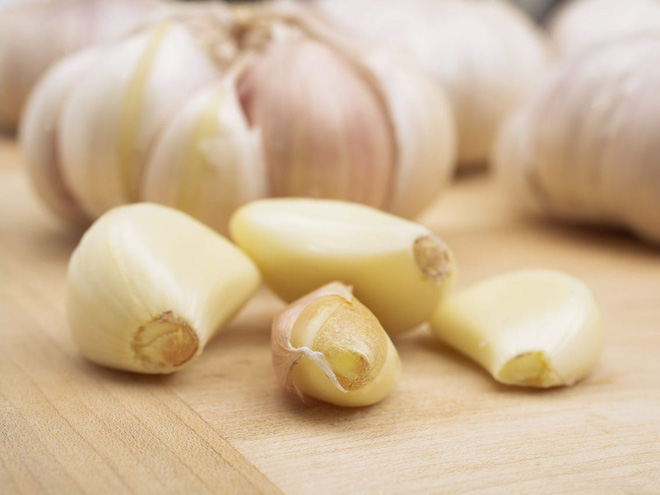
Garlic is a flavorful, nutrient-rich food that offers a variety of potential health benefits. Its sulfur-containing compounds, antioxidants, vitamins, and minerals may support heart health, normal immune function, and overall wellness when included as part of a balanced diet. However, there is no convincing scientific evidence that eating garlic specifically before breakfast or on an empty stomach provides unique health advantages over consuming it with meals later in the day.
For some people, raw garlic on an empty stomach may actually cause digestive discomfort, heartburn, or nausea. If you enjoy garlic and tolerate it well, include it regularly in soups, stir-fries, roasted vegetables, salads, and other nutritious meals. Pairing garlic with a diet rich in fruits, vegetables, whole grains, lean proteins, and healthy fats—along with regular physical activity, adequate sleep, and routine medical care—is far more important for long-term health than focusing on the timing of a single food.