Garlic has been part of traditional cooking and natural health practices for thousands of years. Its strong aroma, distinctive flavor, and versatility have made it a familiar ingredient in kitchens around the world. But garlic is more than a seasoning. It contains naturally occurring sulfur compounds and other plant chemicals that have attracted considerable scientific interest.
One of the most frequently discussed compounds is allicin, which forms when fresh garlic is chopped, crushed, or chewed. Laboratory research has shown that garlic-derived compounds can interact with various microorganisms, which is why garlic is often described as having natural antibacterial properties.
At the same time, it is important to separate potential benefits from proven medical effects. Eating garlic can be part of a healthy diet, but garlic should not be considered a replacement for antibiotics, vaccines, medical treatment, or professional care when someone has an infection.
So, what might garlic actually contribute to immune health and the body's natural defenses?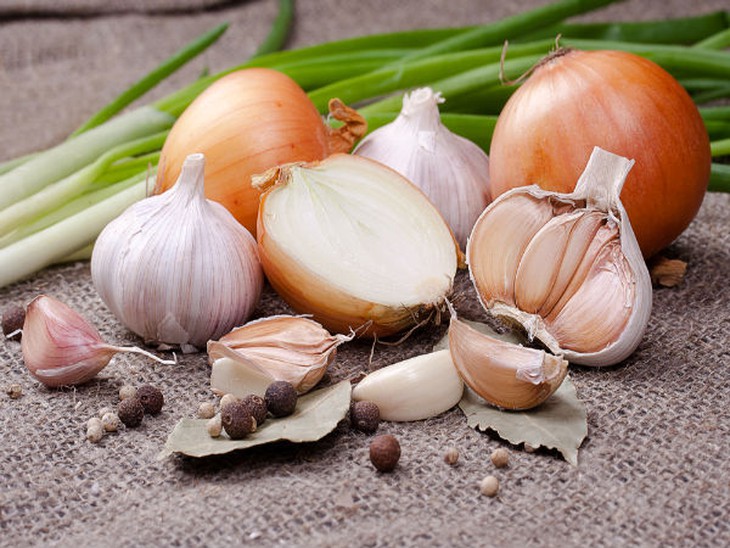
Garlic Contains Compounds With Biological Activity
A major reason garlic attracts attention is its chemistry.
When garlic is intact, it contains compounds such as alliin. Once the cloves are crushed or chopped, an enzyme called alliinase helps convert alliin into allicin and related sulfur-containing compounds.
These compounds are responsible for much of garlic's distinctive smell and flavor.
They are also the subject of research because they can interact with biological processes in different ways. Laboratory experiments have examined their potential antimicrobial and antioxidant effects, among other properties.
This is interesting from a scientific perspective, but it does not mean that eating garlic acts like taking an antibacterial drug.
What happens in a laboratory dish is not necessarily what happens inside the human body.
Digestion, metabolism, absorption, and the body's own defenses all influence how food-derived compounds behave after consumption.
How Garlic May Help Support the Body's Natural Defenses
The immune system is not a single organ or substance. It is a highly coordinated network involving cells, tissues, signaling molecules, barriers, and organs throughout the body.
A healthy immune system depends on many basic factors, including adequate nutrition, sufficient sleep, physical activity, stress management, and treatment of underlying medical conditions.
Garlic may fit into this picture as one component of a nutrient-rich diet.
Some compounds in garlic have been studied for their effects on pathways related to inflammation and oxidative stress. These biological processes are closely connected to immune function.
That does not mean garlic can “boost” immunity indefinitely or make someone immune to infection. Rather, eating garlic as part of a varied diet can contribute plant compounds that participate in the body's broader nutritional environment.
Garlic and Bacterial Defense
The antibacterial properties of garlic are probably the most widely discussed aspect of its potential benefits.
Research conducted in laboratory settings has found that garlic compounds can inhibit the growth or activity of certain bacteria under specific experimental conditions.
Scientists have investigated garlic-derived compounds against a variety of microorganisms, which has helped explain why garlic has such a long history in traditional food and health practices.
However, there is a crucial distinction between inhibiting bacteria in a controlled experiment and curing an infection in a person.
For example, someone with a bacterial infection cannot assume that eating several raw garlic cloves will eliminate the bacteria responsible. The amount of active compound that reaches a particular part of the body may be very different from the concentration used in laboratory experiments.
That is why garlic is better understood as a potentially useful food-based source of bioactive compounds, not as an alternative antibiotic.
Garlic's Antioxidant Potential
Another area of interest is oxidative stress.
The body naturally produces reactive molecules as part of normal metabolism. Environmental exposures, illness, and other factors can also influence oxidative balance.
Garlic contains compounds with antioxidant-related activity, and researchers have investigated how these substances interact with oxidative processes.
Again, the simple online claim that “antioxidants prevent disease” does not tell the whole story. Human biology is far more complicated.
Still, a diet containing a broad range of vegetables, fruits, herbs, legumes, and other plant foods provides many different compounds. Garlic is one small part of that larger picture.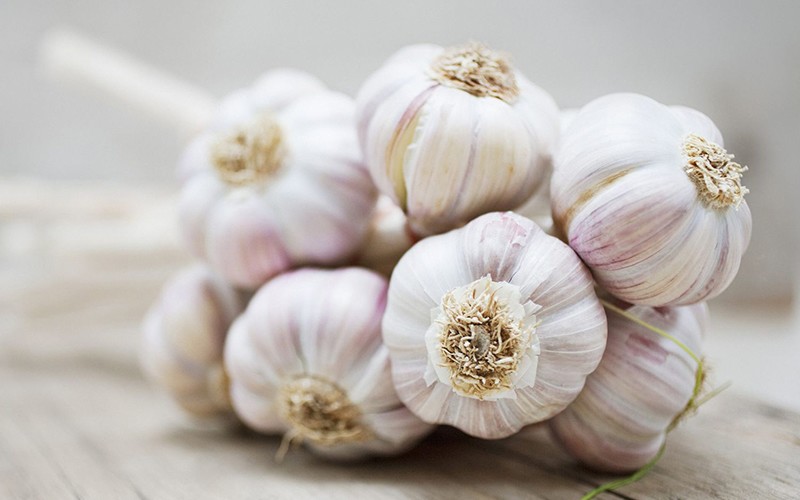
Why the Way Garlic Is Prepared Matters
The potential activity of garlic depends partly on how it is prepared.
Crushing or chopping garlic helps activate the enzymatic process that produces allicin. Cooking can then change the chemical composition of the garlic and may reduce some of the compounds produced during crushing.
That does not mean raw garlic is automatically healthier.
Raw garlic can be harsh on the digestive system for some people. It may cause heartburn, stomach irritation, nausea, or bloating, particularly when consumed in large quantities.
For everyday eating, the best approach is usually the one that allows you to enjoy garlic regularly without causing discomfort.
Adding chopped garlic to vegetables, soups, beans, grains, sauces, or other dishes can be an easy way to include it in your diet.
Could Garlic Help Prevent Infections?
This is one of the most common questions surrounding garlic.
While laboratory findings are interesting, there is not enough evidence to say that eating garlic by itself reliably prevents infections.
Infections have many causes, and prevention depends on the specific disease involved.
For respiratory illnesses, for example, measures such as vaccination where appropriate, hand hygiene, adequate sleep, avoiding exposure to known pathogens, and managing chronic conditions are far more established strategies.
For bacterial infections such as urinary tract infections or pneumonia, medical evaluation may be necessary when symptoms occur.
Garlic can remain part of a healthy eating pattern, but it should not create a false sense of protection.
Garlic and the Gut Microbiome
Researchers are also interested in how garlic interacts with the microorganisms that live in the digestive tract.
The gut microbiome contains a complex community of bacteria and other microorganisms. These microbes interact with digestion, metabolism, and immune processes.
Garlic contains compounds that can affect microorganisms, which has led to research into whether garlic may influence microbial communities in the gut.