Oregano is one of the world's most popular culinary herbs, prized for its bold flavor and aromatic qualities. Commonly used in Mediterranean, Mexican, and Middle Eastern cuisines, oregano has also been valued in traditional herbal practices for centuries. Beyond enhancing the taste of meals, this herb contains a variety of naturally occurring plant compounds that have attracted scientific interest for their potential health-promoting properties.
In recent years, laboratory and animal studies have explored oregano's antioxidant, antimicrobial, and anti-inflammatory activities. However, it is important to distinguish these findings from proven clinical benefits in humans. While oregano can be part of a healthy diet, current evidence does not support using oregano or oregano oil as a replacement for medical treatment.
This article examines what research currently tells us about oregano, its nutritional value, potential health benefits, safety considerations, and practical ways to include it in a balanced eating pattern.

What Is Oregano?
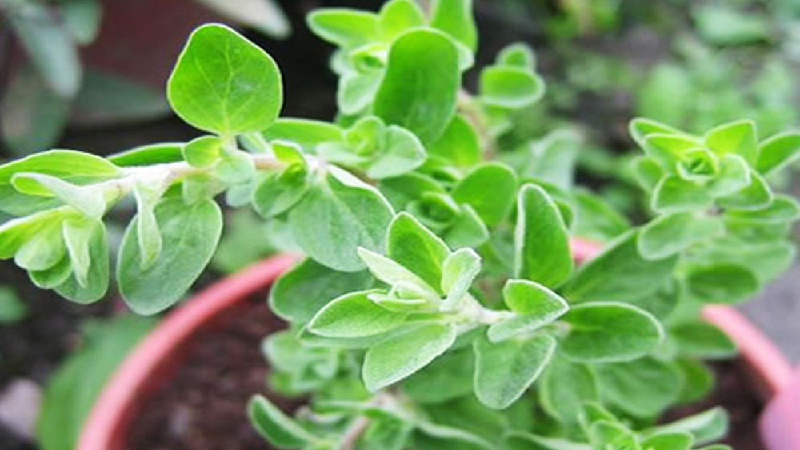
Oregano (Origanum vulgare) is a perennial herb in the mint family (Lamiaceae). It is native to the Mediterranean region but is now cultivated worldwide.
Oregano is available in several forms, including:
-
Fresh leaves
-
Dried leaves
-
Ground oregano
-
Oregano essential oil
-
Oregano oil supplements
-
Herbal teas
The dried herb used in cooking differs significantly from concentrated oregano essential oil, which contains much higher levels of active compounds and should only be used according to professional guidance.
Nutritional Profile of Oregano
Although oregano is typically consumed in small amounts, it contains a variety of beneficial nutrients and plant compounds.
These include:
-
Vitamin K
-
Vitamin A
-
Vitamin C (in fresh oregano)
-
Manganese
-
Iron
-
Calcium
-
Fiber
More importantly, oregano is rich in naturally occurring phytochemicals such as:
-
Carvacrol
-
Thymol
-
Rosmarinic acid
-
Flavonoids
-
Phenolic acids
These compounds contribute to oregano's antioxidant activity and are the focus of much scientific research.
1. Rich in Antioxidants
One of oregano's most well-studied characteristics is its high antioxidant content.
Antioxidants help protect cells from damage caused by unstable molecules known as free radicals. Oxidative stress has been linked to aging and the development of various chronic diseases.
Laboratory studies suggest that compounds such as carvacrol and rosmarinic acid have strong antioxidant properties.
However, while diets rich in antioxidant-containing foods are associated with good health, researchers continue to investigate the specific contribution of oregano itself in humans.
2. Contains Natural Antimicrobial Compounds
Oregano contains compounds that have demonstrated antimicrobial activity in laboratory experiments.
Carvacrol and thymol have shown activity against certain bacteria and fungi under controlled laboratory conditions.
It is important to note that laboratory findings do not necessarily translate into effective treatments for infections in people.
Anyone with a suspected bacterial or fungal infection should seek appropriate medical care rather than relying on oregano products.
3. May Support a Healthy Inflammatory Response
Inflammation is a normal part of the body's immune response.
Chronic, long-term inflammation has been associated with conditions such as cardiovascular disease, arthritis, and metabolic disorders.
Some laboratory and animal studies suggest that oregano compounds may influence inflammatory pathways.
However, additional well-designed human clinical trials are needed before firm conclusions can be drawn.
4. Supports Overall Dietary Quality
One practical advantage of oregano is that it adds flavor without contributing significant calories, saturated fat, or added sugar.
Using herbs and spices instead of excessive salt may help people reduce sodium intake while still enjoying flavorful meals.
Reducing dietary sodium may support healthy blood pressure as part of an overall heart-healthy eating pattern.
5. May Contribute to Heart-Healthy Eating Patterns
No single food can prevent heart disease.
However, oregano often forms part of Mediterranean-style diets, which are consistently associated with better cardiovascular health.
These eating patterns emphasize:
-
Vegetables
-
Fruits
-
Whole grains
-
Legumes
-
Olive oil
-
Nuts
-
Fish
-
Herbs and spices
The overall dietary pattern, rather than oregano alone, is believed to provide these benefits.
6. May Help Increase Intake of Plant-Based Foods
Adding oregano to vegetables, beans, soups, salads, and whole grains can make these nutritious foods more appealing.
This simple habit may encourage greater consumption of fiber-rich plant foods, which support digestive health and overall wellness.
Oregano Oil: Is It Different?
Yes.
Oregano essential oil is highly concentrated and should not be confused with the dried herb used in cooking.
Essential oil contains much higher concentrations of active compounds.
Because of its potency, oregano essential oil may:
-
Irritate the mouth or digestive tract
-
Cause allergic reactions
-
Interact with certain medications
Internal use should only occur under the guidance of a qualified healthcare professional.
What Does the Research Say?
Current evidence suggests:
✔ Laboratory studies demonstrate promising biological activity.
✔ Animal studies provide additional insights.
✔ Human studies remain relatively limited.
As a result, researchers generally conclude that oregano is a healthy culinary herb with interesting biological properties, but more high-quality clinical trials are needed to confirm specific health effects in humans.
Easy Ways to Include Oregano in Your Diet
Oregano can be incorporated into many everyday meals.
Try adding it to:
-
Tomato sauces
-
Soups
-
Stews
-
Roasted vegetables
-
Grilled chicken
-
Fish
-
Omelets
-
Pizza
-
Pasta dishes
-
Bean salads
-
Homemade salad dressings
Fresh oregano also pairs well with olive oil, lemon juice, garlic, and roasted vegetables.
Who Should Use Caution?
Although culinary amounts are considered safe for most people, some individuals should exercise caution with concentrated oregano products.
Speak with your healthcare provider if you:
-
Are pregnant or breastfeeding
-
Take blood-thinning medications
-
Have bleeding disorders
-
Have known allergies to plants in the mint family
-
Take medications for diabetes or blood pressure
-
Plan to use concentrated oregano supplements
Herbal supplements may interact with medications or have side effects.
Common Myths About Oregano
Myth: Oregano cures infections.
Fact: Laboratory studies show antimicrobial activity, but oregano has not been proven to replace antibiotics or antifungal medications in people.
Myth: Oregano oil prevents all viral illnesses.
Fact: There is currently no strong clinical evidence that oregano oil prevents or treats common viral infections in humans.
Myth: More oregano is always better.
Fact: Excessive use of concentrated oregano products may cause side effects without providing additional health benefits.
Myth: Oregano detoxifies the body.
Fact: Your liver and kidneys naturally remove waste products from your body. There is no scientific evidence that oregano performs a "detox" function.
Myth: Oregano alone can prevent chronic disease.
Fact: Good health depends on an overall healthy lifestyle that includes a balanced diet, regular physical activity, adequate sleep, and appropriate medical care.

Tips for Choosing and Storing Oregano
To preserve flavor and quality:
-
Store dried oregano in an airtight container.
-
Keep it away from heat, light, and moisture.
-
Replace dried herbs after about one year for the best flavor.
-
Refrigerate fresh oregano wrapped in a slightly damp paper towel.
Proper storage helps maintain the herb's aroma and beneficial plant compounds.
When Should You Talk to a Healthcare Provider?
Most people can safely enjoy oregano as part of everyday cooking.
However, seek medical advice if you:
-
Experience allergic reactions after consuming oregano.
-
Plan to use oregano supplements or essential oil regularly.
-
Take prescription medications that may interact with herbal products.
-
Have a chronic medical condition and are considering herbal remedies.
Your healthcare provider can help determine whether oregano products are appropriate for your individual situation.
The Bottom Line
Oregano is much more than a flavorful kitchen herb. It contains natural antioxidants and plant compounds such as carvacrol, thymol, and rosmarinic acid, which have shown promising biological activity in laboratory research. These findings have generated scientific interest in oregano's potential antimicrobial, antioxidant, and anti-inflammatory properties.
However, the strongest evidence for oregano's health benefits comes from its role as part of a balanced, plant-rich diet rather than as a standalone remedy. Human studies on oregano supplements and essential oils remain limited, and these products should not be considered substitutes for evidence-based medical treatment.
Adding fresh or dried oregano to everyday meals is a simple and delicious way to enhance flavor while supporting an overall healthy eating pattern. Combined with regular physical activity, adequate sleep, stress management, and routine medical care, oregano can be one small part of a lifestyle that promotes long-term health and wellness.