The Power of Gyan Mudra: Benefits and How to Practice It
A simple hand gesture used for thousands of years in yoga and meditation is now gaining attention online for its potential mental and emotional health benefits. Known as Gyan Mudra, or the “gesture of knowledge,” this traditional yoga practice is believed to help improve concentration, reduce stress, calm the mind, and promote inner peace.
In Sanskrit, the word “Gyan” (or “Jnana”) means knowledge or wisdom, while “Mudra” means gesture or seal. The mudra is performed by gently touching the tip of the index finger to the tip of the thumb while keeping the other three fingers extended and relaxed. It is commonly practiced during meditation, yoga, and breathing exercises.
According to yogic philosophy, the thumb represents universal consciousness, while the index finger symbolizes individual consciousness or the ego. The joining of the two fingers is believed to represent the union between human awareness and higher wisdom.
Potential Benefits of Gyan Mudra
Yoga practitioners and wellness experts say regular practice of Gyan Mudra may offer several mental and emotional benefits.
Some reported benefits include:
- Improving concentration and memory
- Reducing stress and anxiety
- Helping calm negative thoughts
- Supporting meditation and mindfulness
- Promoting emotional balance
- Improving sleep quality
- Enhancing mental clarity and self-awareness
Experts say the mudra may help activate certain nerve pathways in the fingers and hands that are connected to the brain, helping the body enter a calmer and more relaxed state.
Some yoga traditions also believe Gyan Mudra helps balance the “air element” in the body and supports the nervous system.
How to Practice Gyan Mudra
Practicing Gyan Mudra is simple and can be done almost anywhere.
Here are the basic steps:
- Sit comfortably on the floor, a yoga mat, or a chair.
- Keep your spine straight and shoulders relaxed.
- Rest your hands on your knees with palms facing upward.
- Gently touch the tip of the index finger to the tip of the thumb.
- Keep the remaining fingers straight but relaxed.
- Close your eyes and focus on slow, deep breathing.
Yoga experts recommend practicing the mudra for 10 to 30 minutes daily. Some people divide the practice into shorter sessions throughout the day.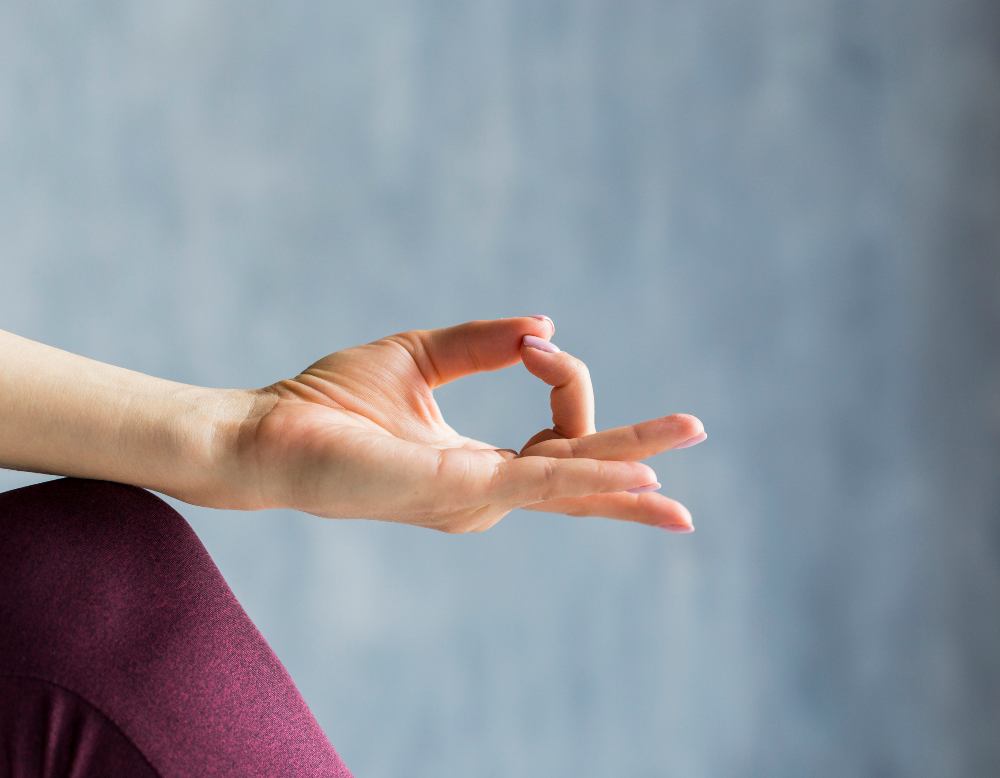
Can Everyone Practice It?
Gyan Mudra is generally considered safe for most people. However, experts advise beginners not to force uncomfortable positions or practice for excessively long periods. Some practitioners believe overdoing the mudra may occasionally cause restlessness or discomfort in sensitive individuals.
Health professionals also emphasize that while yoga mudras may support relaxation and mindfulness, they should not replace professional medical treatment for serious mental or physical health conditions.
Despite its simplicity, Gyan Mudra continues to attract millions of practitioners worldwide who believe this ancient hand gesture can help bring calmness, focus, and balance into everyday life.