7 Reasons Why Watermelon Deserves a Place in Your Diet 🍉
Sweet, refreshing, and packed with water, watermelon is one of the most popular fruits during warm weather. But beyond its delicious taste, watermelon also contains a variety of nutrients that may support overall health.
Made up of more than 90% water, this fruit is low in calories while providing vitamins, antioxidants, and plant compounds linked to several potential health benefits.
Here are 7 reasons why watermelon deserves a regular spot in your diet.
1. Helps Keep You Hydrated
Watermelon is about 92% water, making it one of the most hydrating fruits you can eat.
Proper hydration is important for:
- Body temperature regulation
- Digestion
- Joint health
- Energy levels
- Healthy skin
Eating water-rich foods like watermelon may help support daily fluid intake, especially during hot weather.
2. Rich in Important Nutrients
Despite being low in calories, watermelon contains several beneficial nutrients, including:
- Vitamin C
- Vitamin A
- Potassium
- Magnesium
- Vitamin B6
Vitamin C helps support the immune system and skin health, while vitamin A plays a role in eye health and immune function.
A single serving of watermelon can provide a significant portion of your daily vitamin C needs.
3. Contains Powerful Antioxidants
Watermelon is rich in antioxidants, especially:
- Lycopene
- Beta-carotene
- Vitamin C
Lycopene is the pigment that gives watermelon its red color. It has been studied for its potential role in protecting cells from oxidative stress.
Some research suggests lycopene may help support:
- Heart health
- Skin health
- Healthy aging
Interestingly, watermelon contains even more lycopene than many raw tomatoes.
4. May Support Heart Health

Watermelon contains compounds that may help support cardiovascular health.
These include:
- Lycopene
- Citrulline
- Potassium
Citrulline is an amino acid that may help improve blood flow by increasing nitric oxide levels in the body.
Potassium also helps support healthy blood pressure by balancing sodium levels.
While watermelon alone cannot prevent heart disease, it may be a healthy addition to a balanced diet.
5. May Help Reduce Muscle Soreness
Some studies suggest that watermelon juice may help reduce post-exercise muscle soreness.
This may be related to citrulline, which is naturally found in watermelon.
Athletes sometimes consume watermelon juice after workouts because it may support recovery and hydration.
6. Supports Healthy Skin
The vitamins and antioxidants in watermelon may help support skin health.
Watermelon contains:
- Vitamin C, which supports collagen production
- Vitamin A, important for skin repair
- Water, which helps maintain skin hydration
Antioxidants may also help protect skin cells from environmental stress.
7. Low in Calories but Naturally Sweet
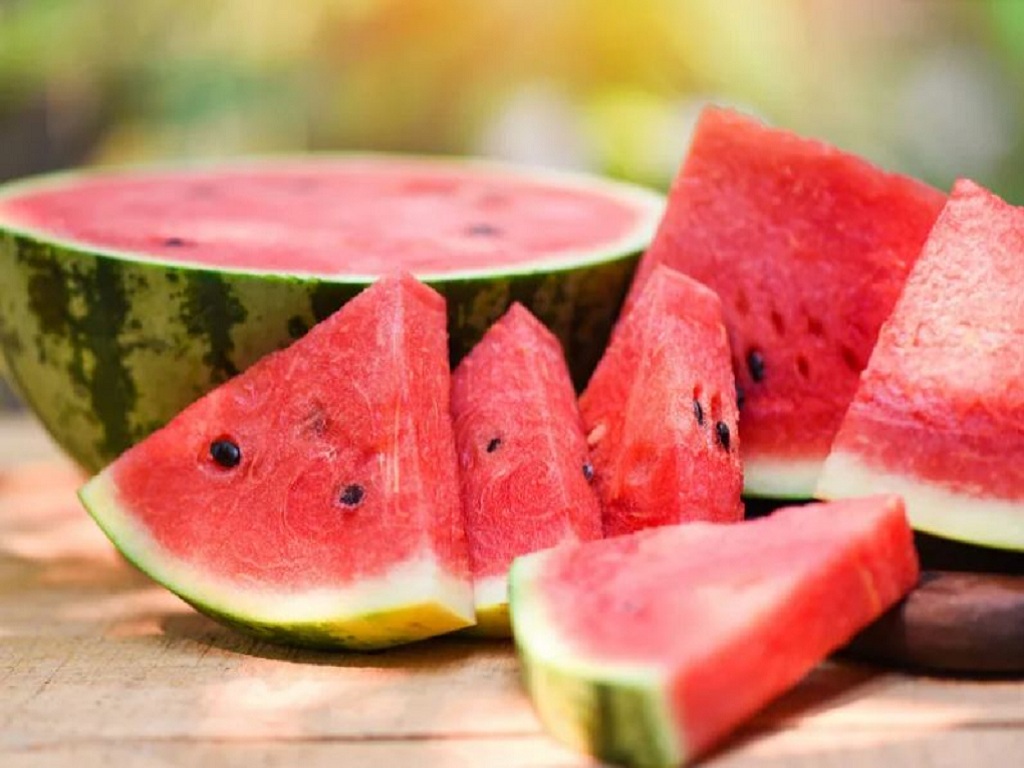
Watermelon is naturally sweet while being relatively low in calories.
This makes it a popular snack for people looking for a refreshing alternative to processed sweets.
Because it also contains water and some fiber, watermelon may help promote fullness.
However, moderation is still important, especially for people monitoring blood sugar levels.
Are There Any Downsides?
For most people, watermelon is safe and healthy when eaten in reasonable amounts.
However:
- Eating very large quantities may cause digestive discomfort in some people
- People with diabetes should monitor portion sizes because watermelon contains natural sugars
- Those with certain kidney conditions may need to limit potassium intake
As with any food, balance is key.
Easy Ways to Add Watermelon to Your Diet
You can enjoy watermelon in many ways:
- Fresh slices
- Fruit salads
- Smoothies
- Chilled juice
- Frozen watermelon cubes
- Mixed with mint and lime
Some people even grill watermelon for a unique flavor.
Final Thoughts
Watermelon is more than just a refreshing summer fruit. It provides hydration, vitamins, antioxidants, and plant compounds that may support heart health, skin health, and overall wellness.
Adding watermelon to a balanced diet can be a simple and delicious way to enjoy more nutrient-rich foods.
Sources
- U.S. Department of Agriculture (USDA) – Watermelon Nutrition Facts
- Mayo Clinic – Nutrition and Healthy Eating
- Cleveland Clinic – Health Benefits of Watermelon
- Harvard T.H. Chan School of Public Health