Recent wildfires in Los Angeles have raised urgent questions about their role in global warming. As the planet surpasses the critical 1.5°C global warming threshold for the first time, understanding the connection between regional fires and climate change becomes increasingly important.
The Fire-Climate Connection
Wildfires, such as those in Los Angeles, are both a consequence and a contributor to global warming. Rising temperatures, prolonged droughts, and reduced rainfall—all exacerbated by climate change—create ideal conditions for fires to ignite and spread. These fires release massive amounts of carbon dioxide (CO2), methane, and other greenhouse gases into the atmosphere, intensifying the warming cycle.
According to environmental experts, California’s wildfires in 2023 emitted more than 100 million metric tons of CO2—equivalent to the annual emissions of some countries. Such emissions not only worsen global warming but also hinder efforts to reduce atmospheric carbon levels.
Why 1.5°C Matters
Crossing the 1.5°C global warming threshold is a significant milestone, marking a point where the impacts of climate change become more severe and harder to reverse. It’s linked to more frequent extreme weather events, rising sea levels, and widespread ecological disruptions. Fires in regions like Los Angeles contribute directly to this escalation, compounding the challenges already faced.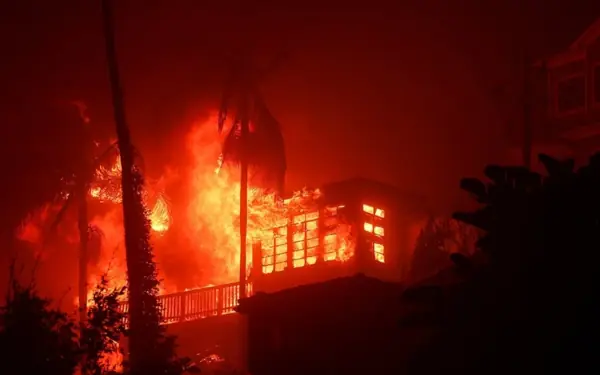
Local Actions, Global Impact
The Los Angeles fires also highlight the interplay between local and global phenomena. Urban areas surrounded by dry vegetation and experiencing heatwaves are particularly vulnerable. While the immediate impact is regional—destroyed homes, loss of life, and air pollution—the broader implications reach far beyond California. The smoke and greenhouse gases from these fires contribute to atmospheric changes, accelerating global warming.
Mitigating the Cycle
To break this cycle, experts emphasize the need for aggressive climate action:
Forest Management: Controlled burns and improved land management can reduce the fuel available for large fires.
Emission Reductions: Cutting global CO2 emissions is crucial to slowing temperature rise and mitigating fire risks.
Community Resilience: Investment in fire-resistant infrastructure and early warning systems can minimize local impacts.
Conclusion
As the planet breaches the 1.5°C threshold, events like the Los Angeles wildfires serve as stark reminders of the interconnectedness of local disasters and global climate change. Addressing these fires isn’t just a regional priority; it’s a global necessity. Collaborative efforts to mitigate climate change and improve fire management practices are essential to safeguard the future.