Colon cancer is becoming an increasing concern worldwide, with rising cases reported not only in older adults but also among younger populations. Often called a “silent disease,” colon cancer can develop slowly over time without obvious symptoms in its early stages.
However, the body usually gives warning signs before the condition becomes severe. Recognizing these symptoms early can make a life-saving difference. Here are five key warning signs you should never ignore.
1. Persistent Changes in Bowel Habits
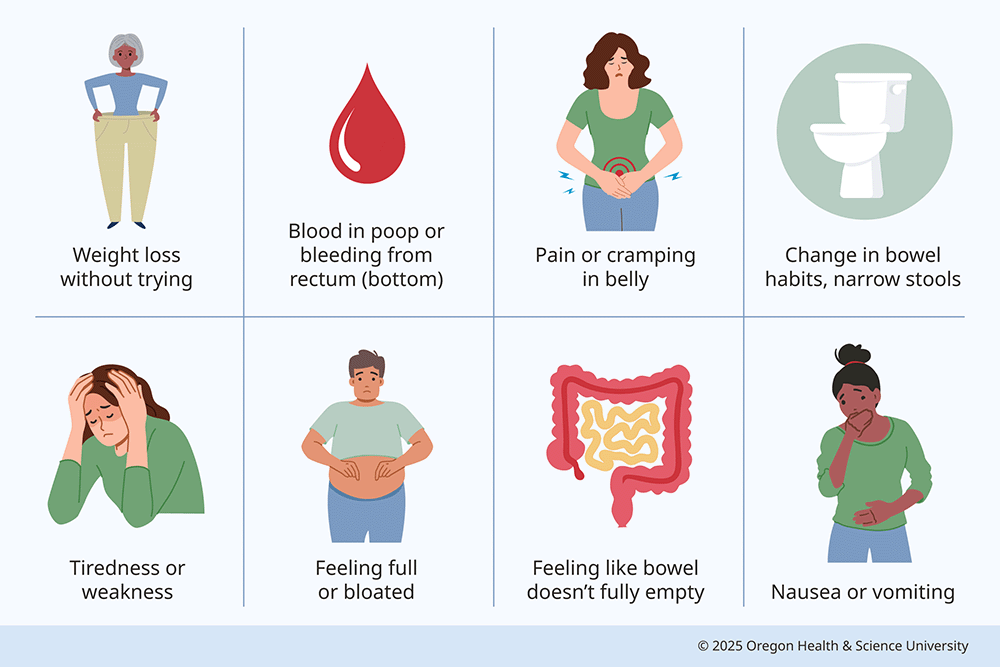
One of the earliest indicators of colon cancer is a noticeable change in bowel movements. This may include:
- Ongoing diarrhea or constipation
- Changes in stool shape, such as thinner stools
- A constant feeling of incomplete bowel emptying
While occasional digestive issues are normal, persistent changes lasting more than a few weeks should raise concern. These symptoms may indicate a blockage or abnormal growth in the colon.
2. Blood in the Stool
 4
4
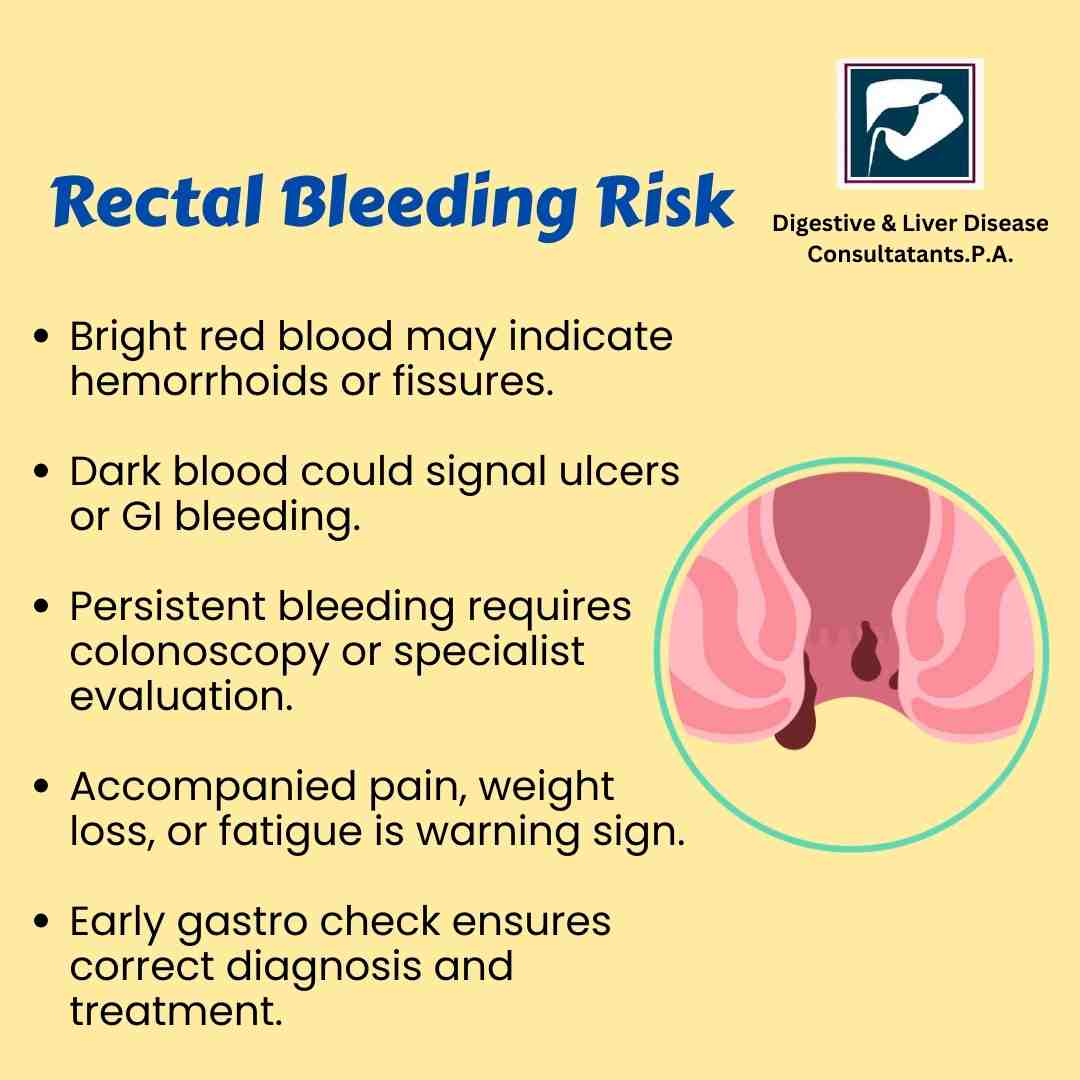
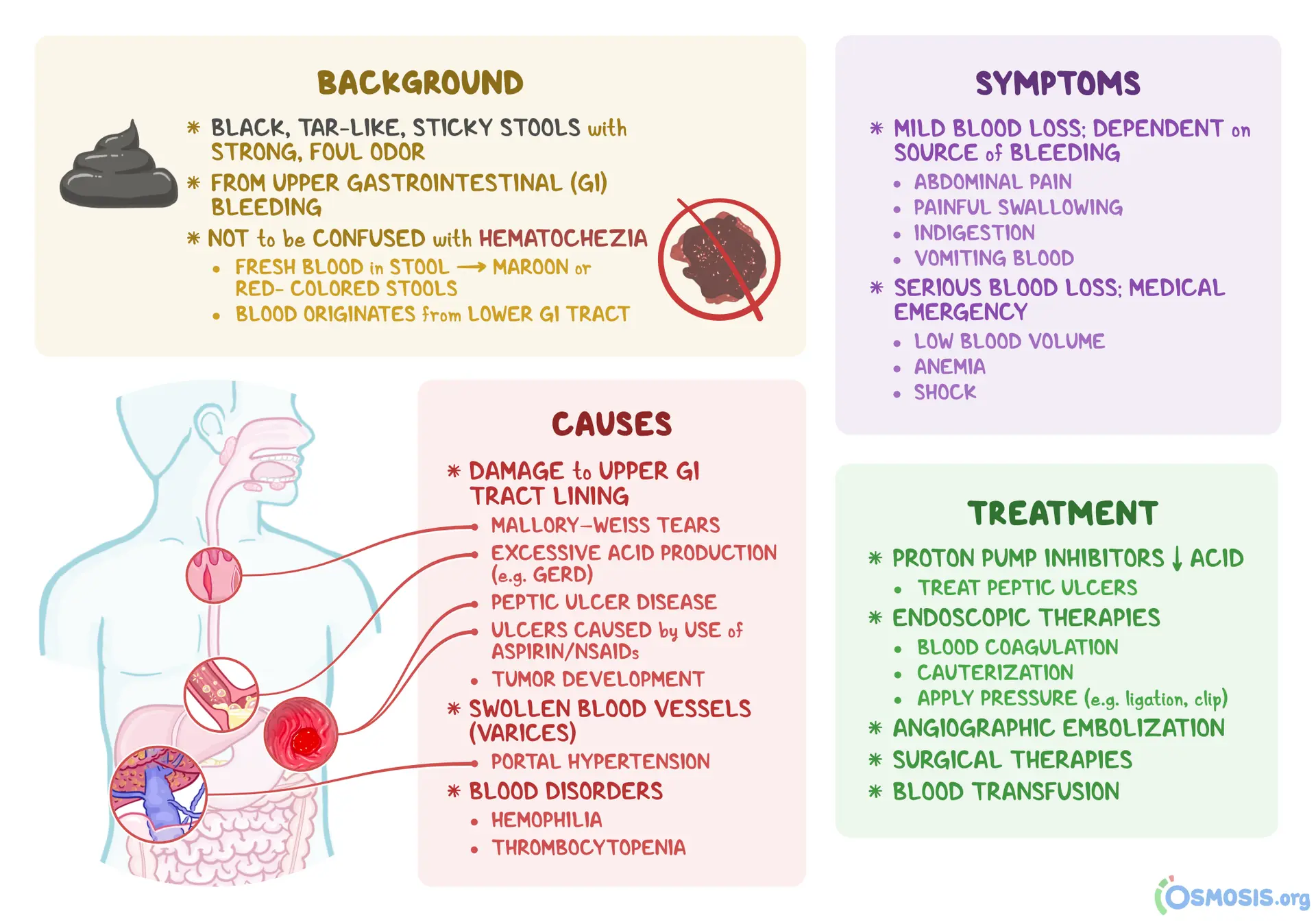
Blood in the stool is one of the most critical warning signs. It may appear as:
- Bright red blood
- Dark, tar-like stool
Although this symptom can be caused by less serious conditions like hemorrhoids, it should always be evaluated by a healthcare professional. Ignoring it can delay diagnosis and treatment.
3. Abdominal Pain and Discomfort

 4
4
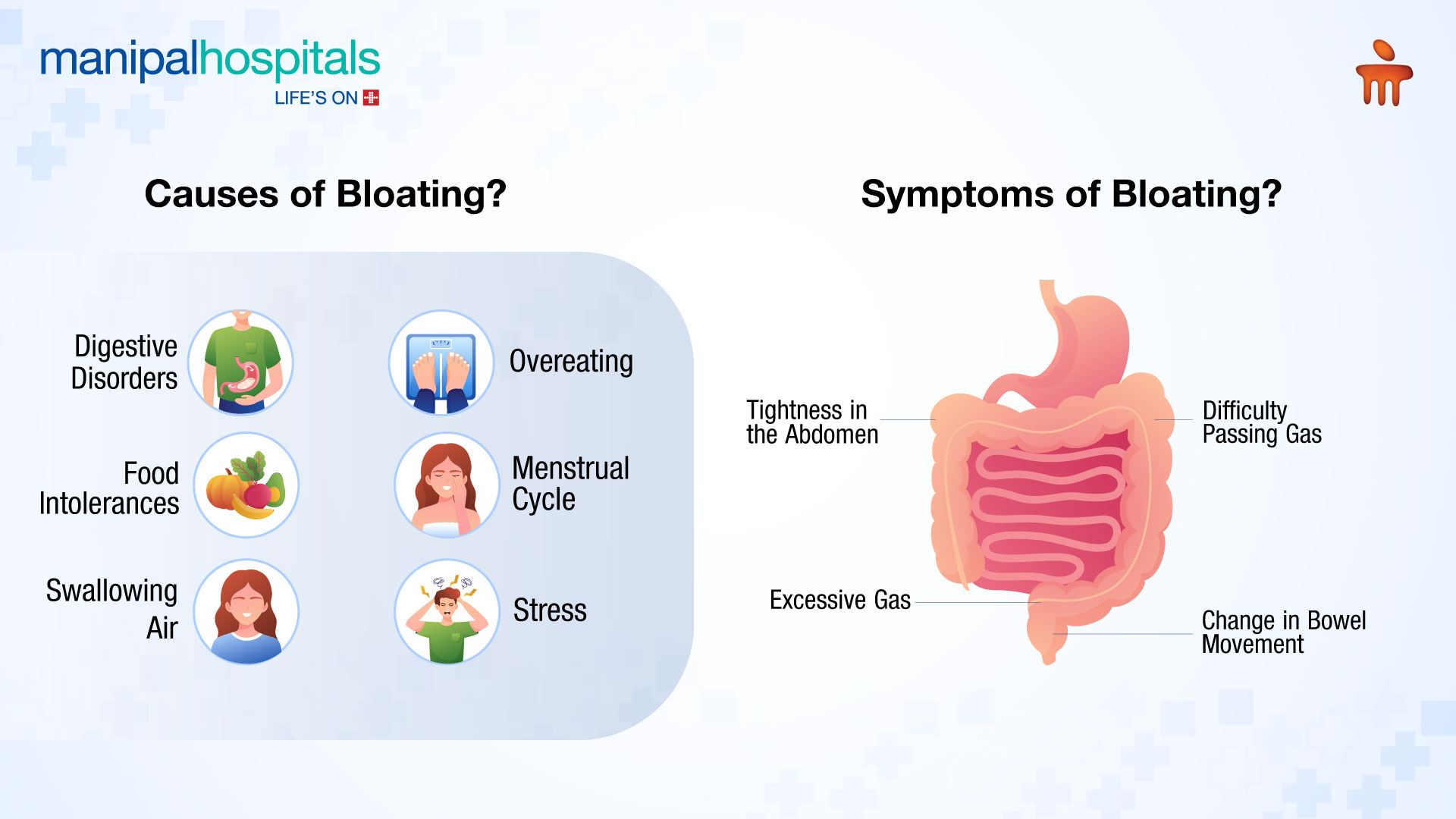
Frequent or unexplained abdominal discomfort is another important symptom. This may include:
- Cramping or gas pains
- Bloating
- A feeling of fullness even after eating small amounts
Pain related to colon cancer is often persistent and gradually worsens. It is different from occasional indigestion.
4. Unexplained Weight Loss and Fatigue
Sudden weight loss without changes in diet or exercise is a red flag. When combined with constant fatigue, it may indicate that the body is under stress from an underlying condition.
You may notice:
- Loss of appetite
- Rapid weight loss
- Ongoing tiredness or weakness
These symptoms occur because the body is using extra energy to fight abnormal cell growth.
5. Iron Deficiency Anemia
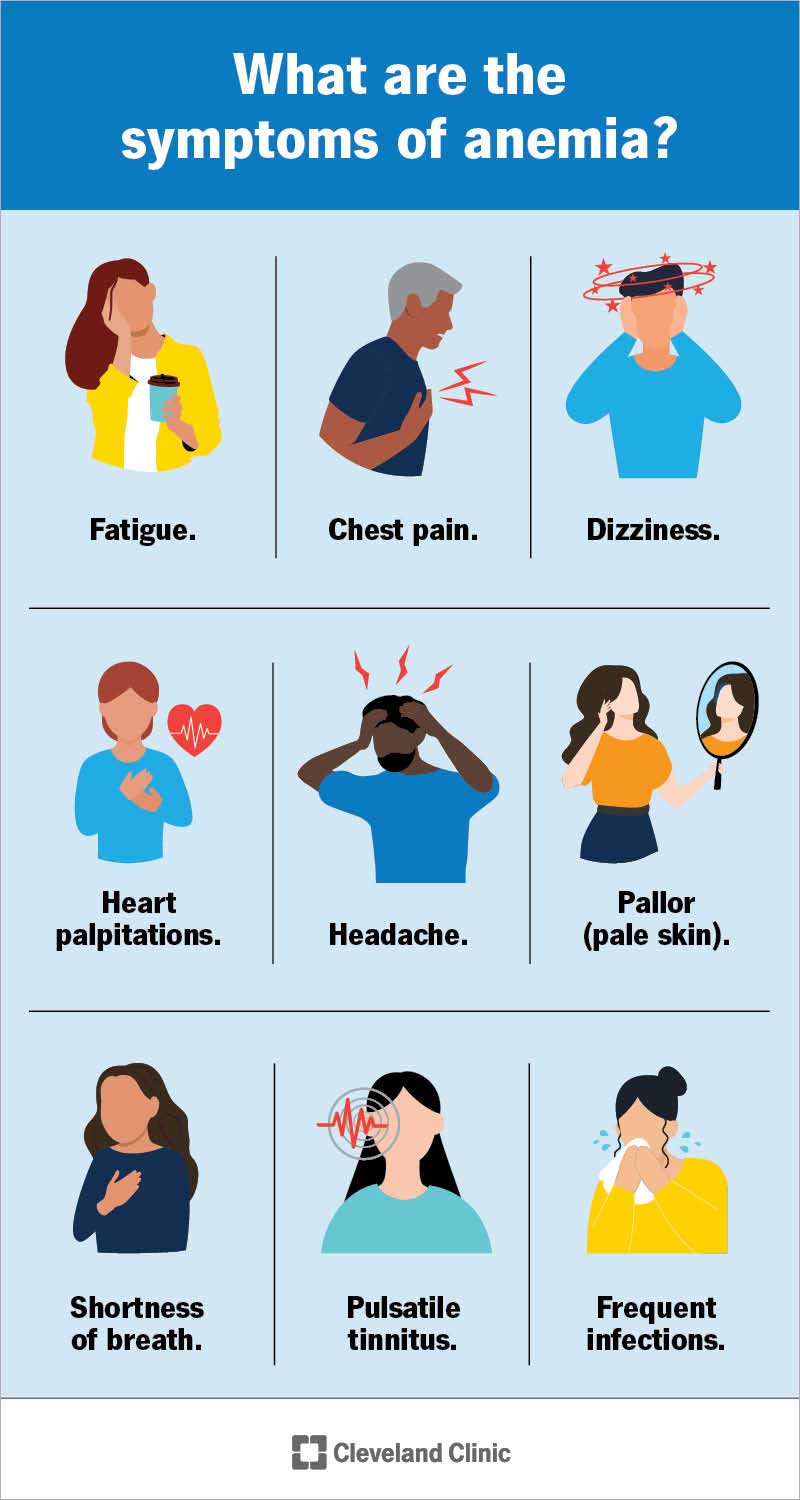


Colon cancer can cause slow, hidden bleeding in the digestive tract, leading to iron deficiency anemia. This condition reduces oxygen delivery in the body and causes symptoms such as:
- Pale skin
- Shortness of breath
- Dizziness or lightheadedness
In some cases, anemia may be the first noticeable sign of colon cancer.
Why Colon Cancer Is Increasing
Several factors may contribute to the rising incidence of colon cancer, including:
- Diets high in processed and red meats
- Low fiber intake
- Sedentary lifestyle
- Obesity
- Smoking and alcohol consumption
Additionally, lifestyle changes and environmental factors are believed to play a role in the increasing number of cases among younger individuals.
The Importance of Early Detection
Early detection is key to successful treatment. Colon cancer often begins as small, noncancerous growths called polyps, which can be removed before they become cancerous.
Health experts recommend:
- Regular screenings starting at age 45 (or earlier for high-risk individuals)
- Paying attention to persistent symptoms
- Seeking medical advice promptly
Screening methods such as colonoscopy can detect issues before symptoms even appear.
Prevention Tips
Although not all cases can be prevented, you can reduce your risk by:
- Eating a diet rich in fruits, vegetables, and whole grains
- Exercising regularly
- Maintaining a healthy weight
- Limiting alcohol and avoiding smoking
- Staying hydrated
These habits support digestive health and reduce inflammation in the body.
Conclusion
The rising rate of colon cancer is a serious concern, but awareness and early action can make a significant difference. By recognizing the five key warning signs—changes in bowel habits, blood in stool, abdominal pain, unexplained weight loss, and anemia—you can take control of your health.