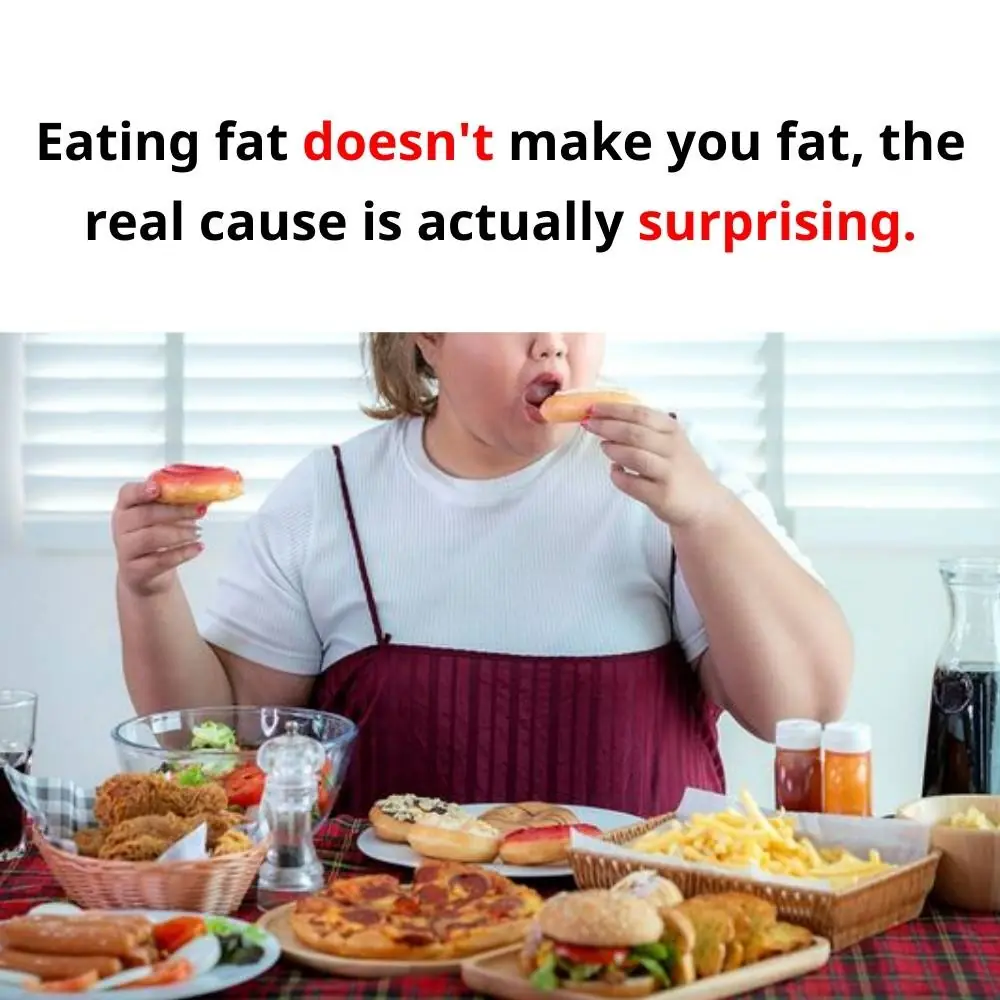
The idea that eating fat leads to weight gain is a common misconception, but the truth is more nuanced. Eating dietary fat doesn’t directly cause you to gain weight. In fact, fat is a vital nutrient for the body, serving several important functions. Here's a deeper dive into why eating fat doesn't necessarily make you fat:
1. The Role of Healthy Fats
Fats, particularly healthy fats found in foods like avocados, nuts, seeds, and olive oil, are essential for the body. They help absorb fat-soluble vitamins (A, D, E, and K), support cell function, and are important for hormone regulation. Healthy fats also contribute to brain health and can provide long-lasting energy. These fats are beneficial when consumed in moderation and as part of a balanced diet.
2. Types of Fat Matter
Not all fats are created equal. There are unhealthy fats, such as trans fats and certain saturated fats found in processed and fried foods, that can contribute to weight gain and other health issues. However, unsaturated fats, which are found in whole foods like fish, nuts, and plant-based oils, support metabolism and promote fat burning. The key is to focus on consuming the right types of fats, rather than avoiding them altogether.
3. Calories in Fat
One gram of fat contains 9 calories, compared to 4 calories per gram of carbohydrates or protein. This means that fats are calorie-dense, but that doesn’t mean they automatically lead to weight gain. Weight gain occurs when there is an imbalance between the calories consumed and calories burned. It’s the overall calorie intake and quality of food choices, rather than simply fat consumption, that determines whether you gain or lose weight.
4. Fat’s Role in Satiety
Fats are more satiating (filling) than carbohydrates or protein, which can actually help control hunger and reduce overeating. Foods rich in healthy fats slow digestion and make you feel fuller for longer, potentially leading to fewer overall calories consumed throughout the day. This could help with weight management rather than hindering it.
5. Metabolism and Fat Storage
The body metabolizes fat differently than carbohydrates. When consumed in moderation, fat is burned for energy rather than being stored as excess fat. In contrast, a high intake of refined carbohydrates and sugars can cause blood sugar spikes and crashes, leading to increased hunger and overeating, which in turn may lead to fat storage.
6. Dietary Fat and Insulin Sensitivity
Healthy fats can help improve insulin sensitivity, which is important for regulating blood sugar and preventing fat storage. A diet rich in healthy fats, paired with a balanced intake of carbohydrates and proteins, supports better metabolic function and fat burning.
7. The Importance of Portion Control
While fat is a necessary part of a healthy diet, it’s important to pay attention to portion sizes. Because fats are calorie-dense, it’s easy to overconsume them, leading to an excess of calories. But if eaten mindfully in the right portions, healthy fats will not necessarily result in weight gain.