Here’s the Truth Behind the Scar on Many People’s Upper Left Arm
If you’ve ever noticed a small round scar on someone’s upper left arm — especially among older generations — you’re not alone. For decades, many people around the world carried this distinctive mark, and it often sparked curiosity.
The truth is that this scar usually came from the smallpox vaccine, one of the most important vaccines in medical history.
What Was Smallpox?
Smallpox was a highly contagious and deadly viral disease caused by the variola virus.
It often caused:
- High fever
- Severe rash
- Painful blisters
- Permanent scarring
According to the Cleveland Clinic, smallpox killed millions of people worldwide before vaccines helped eliminate the disease.
The World Health Organization (WHO) officially declared smallpox eradicated in 1980 after a massive global vaccination campaign.
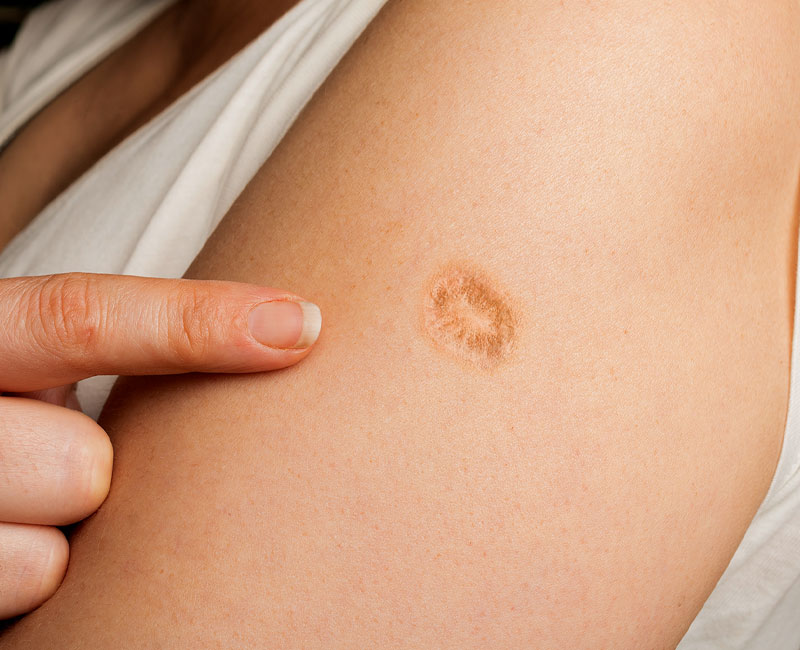
Why Did the Vaccine Leave a Scar?
Unlike many modern vaccines, the smallpox vaccine was given using a special two-pronged needle.
Healthcare workers would repeatedly prick the skin in a small area on the upper arm. This created a controlled skin reaction that helped the immune system build protection against the virus.
Within days, the vaccination site often developed:
- A red bump
- A blister
- A scab
As the skin healed, it frequently left behind a small round scar.
The scar became a visible sign that the vaccine had successfully triggered an immune response.
Why Was It Usually on the Left Arm?
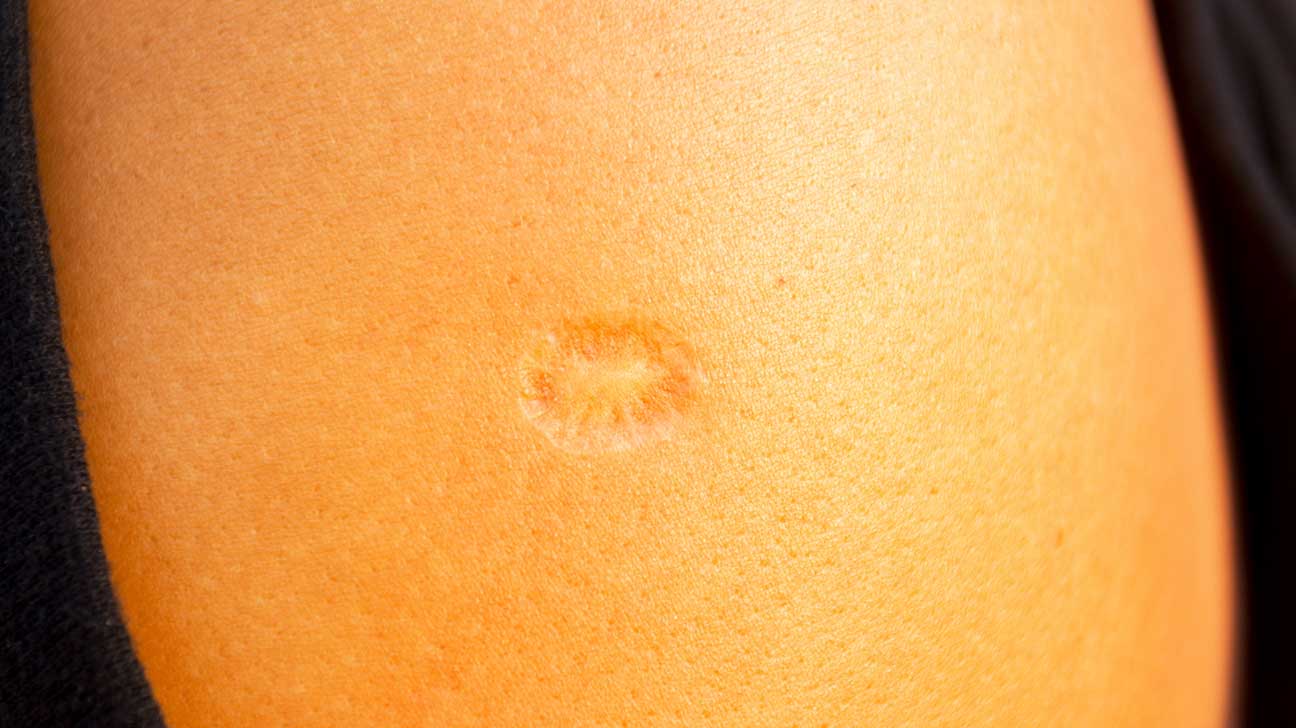
The vaccine was commonly given on the non-dominant arm to reduce discomfort during daily activities.
For right-handed people, this usually meant the left upper arm.
That’s why so many people ended up with a scar in nearly the same location.
Why Don’t Younger People Usually Have This Scar?
Routine smallpox vaccination stopped in many countries during the 1970s after the disease was eradicated.
Because of this:
- Older generations often have the scar
- Most younger people do not
Today, smallpox vaccines are generally only given to certain military personnel, laboratory workers, or people handling related viruses.
Some People Confuse It With the TB Vaccine Scar
In some countries, the BCG vaccine for tuberculosis can also leave a scar on the arm.
However, experts say there are differences:
- Smallpox scars are often round and slightly indented
- BCG scars are usually smaller and more raised
Many people still confuse the two because both were commonly given during childhood in different parts of the world.
A Small Scar With a Big Historical Meaning
For many people, this tiny scar became more than just a mark on the skin. It represented one of humanity’s greatest public health achievements.
The global vaccination campaign against smallpox is considered one of the most successful disease eradication efforts ever completed.
According to the Cleveland Clinic, the scar is essentially proof that the immune system responded to the vaccine as intended.
Final Thoughts
That small scar on the upper left arm tells a remarkable story about medicine, vaccines, and the fight against one of history’s deadliest diseases.
For millions of people, it remains a lasting reminder of a time when smallpox vaccination helped protect the world from a devastating illness.
Sources
- Cleveland Clinic – Smallpox Vaccine Scar
- Healthline – Why Does the Smallpox Vaccine Leave a Scar?
- World Health Organization (WHO)
Dưới đây là phần viết tiếp bằng tiếng Anh, nối tiếp bài viết gốc, mở rộng khoảng 3.500 từ theo phong cách bài báo sức khỏe phổ thông, có thêm thông tin lịch sử, cơ chế miễn dịch, sự khác biệt giữa sẹo vaccine đậu mùa và BCG, cùng những điều cần biết về vaccine ngày nay. Nội dung cũng được điều chỉnh để tránh khẳng định rằng vết sẹo tự nó chứng minh vaccine đã tạo miễn dịch thành công.
The History of Smallpox Vaccination: How One Medical Discovery Changed the World
To understand why so many people still carry a distinctive scar on their upper arm, it helps to look back at the remarkable history of smallpox vaccination.
For centuries, smallpox was one of the most feared infectious diseases in the world. It spread between people, caused severe illness, and frequently left survivors with permanent facial scars or other complications. Some patients lost their eyesight, while others experienced lasting weakness and health problems.
Before vaccination became widely available, communities had few reliable ways to prevent the disease. Outbreaks could devastate families, disrupt trade, and place enormous pressure on hospitals and local authorities.
The turning point came in the late eighteenth century, when an English physician named Edward Jenner conducted an experiment that helped establish the foundation of modern vaccination.
In 1796, Jenner observed that people who had previously contracted cowpox appeared to be less likely to develop smallpox. Cowpox was a related disease that could infect humans but was generally much less severe than smallpox.
Jenner investigated this observation by inoculating a young boy with material from a cowpox lesion and later exposing him to smallpox material. The historical experiment is widely recognized as an important milestone, although it would be considered ethically unacceptable by modern research standards.
The boy did not develop smallpox following the exposure. Jenner subsequently published his findings in 1798, helping introduce the practice that became known as vaccination.
The word vaccine comes from vacca, the Latin word for cow, reflecting the historical connection between cowpox and the development of smallpox prevention.
Over time, vaccination methods improved, and researchers developed safer and more standardized approaches. The smallpox vaccine eventually became one of the most important tools in the global fight against infectious disease.
From a local discovery to a global public health achievement
Jenner's work did not immediately eliminate smallpox. For many decades, vaccination programs expanded gradually, with different countries adopting different policies and techniques.
As vaccination became more widespread, governments and medical organizations began coordinating their efforts. Public health workers vaccinated children, adults, military personnel, and communities affected by outbreaks.
The development of improved vaccines and organized surveillance programs made it increasingly possible to contain outbreaks before they spread extensively.