Remembering an important date, asking about a personal goal, offering affection without expecting anything in return, or planning time together can communicate that the relationship remains a priority.
The issue is not expensive gifts or constant romance. It is the willingness to continue investing in the partnership.
10. Changes in Self-Confidence Can Influence the Relationship
Aging can bring changes in appearance, physical ability, energy, and personal identity.
For some women, these changes affect confidence and the way they experience romantic relationships.
They may become more conscious of wrinkles, weight changes, hair loss, or other physical differences.
These feelings can be intensified by social expectations that place considerable pressure on women to maintain a youthful appearance.
A woman who feels insecure about her body may become less comfortable with physical affection or sexual intimacy.
She may worry that her husband no longer finds her attractive, even if he has not expressed such a concern.
In other situations, a husband may make careless jokes about aging or appearance without understanding their emotional effect.
Repeated comments can gradually damage confidence and create distance.
Partners can support each other by expressing sincere appreciation, avoiding hurtful comparisons, and recognizing qualities that extend far beyond physical appearance.
Feeling attractive in a relationship often involves feeling respected, accepted, and genuinely wanted.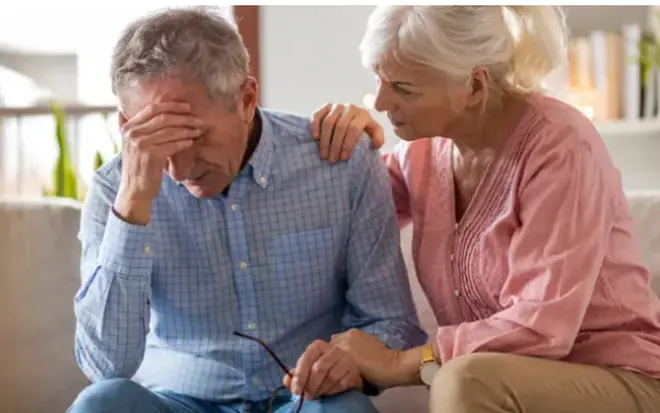
11. Children Leaving Home Can Change the Marriage
For many couples, raising children becomes one of the central purposes of family life.
Their schedules, financial decisions, conversations, and daily routines revolve around their children's needs.
When children grow up and leave home, the family structure changes dramatically.
Some parents experience sadness, loneliness, or a temporary loss of purpose. Others welcome the additional freedom and opportunity to reconnect with personal interests.
For couples whose relationship has been heavily centered on parenting, this transition can reveal emotional gaps that were previously hidden by family responsibilities.
They may discover that they have spent years functioning primarily as co-parents rather than romantic partners.
A woman may begin questioning what she wants from the next stage of life. She might want to travel, pursue hobbies, develop friendships, or spend more time focusing on herself.
Her husband may have different expectations. Perhaps he wants to continue familiar routines, while she wants to explore new possibilities.
These differences can create tension.
However, the empty nest period can also offer an opportunity to rediscover the marriage.
Couples can discuss what they want the next decade to look like, identify shared interests, and develop new traditions.
Instead of assuming the relationship should automatically return to its early years, they can build a new partnership that reflects who they are today.
12. Financial Stress Can Damage Emotional Intimacy
Money is one of the most common sources of tension in long-term relationships.
As couples grow older, financial concerns may become more complicated.
They may face mortgage payments, education expenses, medical costs, retirement planning, debt, or financial responsibilities toward aging parents.
Even couples with stable incomes can disagree about spending, saving, investments, and future priorities.
Financial stress often affects more than the household budget. It can influence sleep, emotional stability, communication, and the ability to enjoy time together.
A woman who feels financially insecure may become preoccupied with the future. If she believes her husband dismisses her concerns or makes major financial decisions without consulting her, resentment can develop.
Healthy financial communication requires transparency and shared decision-making.
Both partners should understand their household finances, discuss long-term goals, and have opportunities to express concerns.
A marriage becomes more secure when financial responsibilities are treated as a shared challenge rather than one person's burden.
13. Caring for Aging Parents Can Leave Little Energy for the Marriage
Middle age often brings a new set of responsibilities.
Some women find themselves caring for children while simultaneously supporting elderly parents or relatives.
This situation can involve arranging medical appointments, managing medications, providing transportation, handling financial matters, and offering emotional support.
Caregiving can be physically and emotionally demanding.
A woman may feel that everyone depends on her, leaving very little time for rest or personal interests.
In this situation, reduced interest in romance may not reflect dissatisfaction with her husband. It may simply reflect exhaustion.
If her husband does not recognize the demands she is facing, the situation can become more difficult.
She may feel alone in managing responsibilities that should be discussed and shared.
Practical support can make a substantial difference. A husband can help coordinate appointments, share transportation responsibilities, research support services, or provide regular opportunities for his wife to rest.
Sometimes, the most meaningful expression of love is not a romantic gesture but a genuine willingness to share the difficult parts of life.
14. Retirement Can Reveal Differences That Work Once Hid
Work provides structure to everyday life. It creates schedules, responsibilities, social interactions, and a sense of purpose.
When one or both partners retire, the amount of time they spend together can increase significantly.
This transition can be positive, but it can also expose differences that were previously less noticeable.
A husband may imagine retirement as an opportunity to spend every day together. His wife may view it as a chance to pursue personal interests, travel independently, or enjoy a more flexible routine.
Neither expectation is necessarily wrong.
The problem arises when one partner assumes that the other should automatically adopt the same lifestyle.
Retirement can also create disagreements about household responsibilities. If a husband spends more time at home but expects his wife to continue managing most domestic tasks, she may feel that the balance has become unfair.
Couples benefit from discussing retirement expectations, household work, personal activities, and shared plans.
A successful retirement does not require partners to do everything together. It requires them to respect each other's needs while creating a shared vision for the future.
15. Unresolved Betrayal Can Change the Way She Sees Her Husband
Trust is one of the most important elements of marriage.
When trust is damaged through infidelity, repeated dishonesty, broken promises, or serious financial deception, the emotional consequences can last for years.
Even when a couple decides to remain together, the injured partner may continue struggling with insecurity and disappointment.
A woman who has experienced betrayal may become less affectionate, more guarded, or reluctant to discuss personal feelings.
She may find it difficult to believe promises that are not supported by consistent behavior.