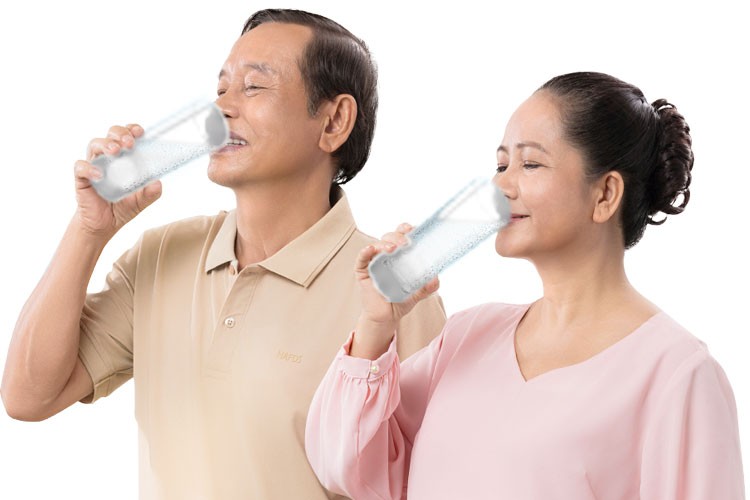
Staying hydrated remains important as you get older, but drinking water after 60 is not simply about forcing yourself to consume a certain number of glasses every day. For many older adults, the right approach is to drink fluids regularly, respond to thirst, avoid becoming dehydrated, and follow individualized guidance when heart or kidney conditions affect fluid needs.
Water is easy to take for granted.
You drink when you're thirsty, perhaps have a glass with meals, and move on with your day.
But after 60, several changes can make hydration more complicated. Older adults may experience a weaker sensation of thirst, take medications that affect fluid balance, or have medical conditions that change how much fluid is appropriate.
That means the goal is not simply “drink more water.”
The goal is adequate hydration that fits your individual health needs.
For most healthy older adults, regular fluid intake can support normal circulation, digestion, temperature regulation, and overall physical function. But people with certain heart, kidney, or liver conditions may need specific fluid recommendations from their healthcare team.
Here are some practical principles to keep in mind.

1. Don't Wait Until You're Extremely Thirsty
Thirst is one of the body's signals that fluid intake may need to increase.
However, the sensation of thirst can become less noticeable with age.
That means some older adults may go longer than they should without drinking, particularly when they are busy, traveling, or simply don't think about fluids.
Rather than waiting until you feel very thirsty, it can be useful to drink fluids regularly throughout the day.
You don't need to constantly sip water.
A simple routine may be enough:
-
Drink something with meals
-
Keep water accessible during the day
-
Have fluids after physical activity
-
Increase attention to hydration during hot weather
-
Drink according to your healthcare professional's advice if you have a medical condition
The objective is steady hydration rather than trying to make up for an entire day's fluid intake at once.
2. Spread Your Fluid Intake Across the Day
Drinking a large amount of water all at once is generally unnecessary for ordinary hydration.
Instead, distributing fluids throughout the day can be more comfortable and practical.
For example, you might drink some water in the morning, have fluids with meals, and continue drinking periodically during the afternoon and evening.
This approach can also be easier for people who have difficulty drinking large volumes at once.
And if drinking a lot immediately before bed causes repeated nighttime bathroom trips, shifting more of your fluid intake toward earlier in the day may make sleep more comfortable.
People who have been given a specific fluid limit should follow that individualized plan rather than increasing or redistributing fluids without professional guidance.
3. Water Is an Excellent Default Choice
Plain water is often the simplest way to stay hydrated.
It contains no added sugar and is readily available.
But you don't have to consume every ounce of fluid as plain water.
Milk, unsweetened beverages, soups, and water-rich foods such as fruits and vegetables can also contribute to overall fluid intake.
The most important issue is the overall pattern.
A diet dominated by sugary drinks can add substantial calories and sugar, while excessive alcohol can contribute to dehydration and interfere with sleep and cardiovascular health.
Water doesn't need to be exciting to be useful.
4. Don't Assume More Water Is Always Better
This is particularly important after 60.
There is a popular idea that everyone should drink as much water as possible to “flush toxins,” improve circulation, or protect the heart.
That's not how hydration works.
Your body carefully regulates fluid balance through the kidneys, hormones, and other systems.
Drinking excessive amounts of water can be harmful, particularly when very large quantities are consumed over a short period.
The risk can be greater for people with certain medical conditions or medications.
So the goal is adequate hydration, not maximum water consumption.
5. Heart Failure Can Change the Conversation
If you have heart failure, hydration advice may be different from what is appropriate for a healthy person.
Heart failure can cause the body to retain fluid, leading to swelling, weight gain, and shortness of breath.
Some people with heart failure are advised to follow a specific fluid restriction, while others may not require the same degree of restriction.
There is no universal rule.
If you have heart failure, ask your healthcare professional exactly how much fluid is appropriate for you.
Do not deliberately increase water intake because you read that drinking more is “good for the heart.”
In this situation, individualized medical advice matters much more than generic hydration rules.
6. Kidney Disease Can Also Affect How Much You Should Drink
The kidneys play a major role in maintaining fluid and electrolyte balance.
When kidney function is significantly impaired, the body's ability to remove excess fluid can change.
Some people with kidney disease may need to limit fluids.
Others may have different recommendations depending on their condition, medications, urine output, and stage of kidney disease.
This is another reason not to follow a one-size-fits-all hydration plan.
If you have chronic kidney disease, ask your healthcare team about your appropriate daily fluid intake.
7. Pay Attention During Hot Weather
Older adults can be particularly vulnerable to dehydration during hot weather.
Heat increases fluid loss through sweating.
If you are outside, exercising, gardening, or spending time in a hot environment, your fluid needs may increase.
Signs that you may need more fluids can include:
-
Increased thirst
-
Dry mouth
-
Darker urine
-
Reduced urination
-
Fatigue
-
Dizziness
-
Headache
However, these symptoms can have many causes.
Severe weakness, confusion, fainting, or significant changes in consciousness during heat exposure require urgent medical attention.
8. Drink More Thoughtfully Around Exercise
Walking, swimming, cycling, gardening, and other activities are excellent ways to remain active as you age.
Physical activity can also increase fluid needs, particularly in hot or humid conditions.
For moderate activity, drinking water before and after exercise may be sufficient for many people.
Longer or more intense exercise may require a more individualized approach, especially if you sweat heavily or have a medical condition.
There's no need to force enormous amounts of water simply because you're exercising.
Drink appropriately for the activity, weather, and your body's needs.
9. Your Urine Can Offer a General Clue
Urine color can provide a rough indication of hydration status.
Very dark urine can occur when urine is concentrated, which may happen when fluid intake is low.
Paler urine often occurs when you are more hydrated.
But urine color isn't a perfect hydration test.
Certain foods, vitamins, medications, and medical conditions can alter urine color.
And some people with particular health conditions may have different fluid-management requirements.
Use urine color as one clue, not as a strict target that requires drinking more and more water.
10. Don't Forget Fluids in Food
Hydration doesn't come only from a glass or bottle.
Many foods contain substantial amounts of water, including:
-
Watermelon
-
Oranges
-
Strawberries
-
Cucumbers
-
Tomatoes
-
Lettuce
-
Soups and broths
-
Yogurt
Eating a varied diet can therefore contribute to fluid intake.
This can be particularly useful for older adults who don't enjoy drinking large quantities of plain water.
11. If Plain Water Is Boring, Make It Easier to Drink
Some people simply don't enjoy plain water.
That doesn't mean they can't stay hydrated.
You can add flavor using:
-
Lemon or lime slices
-
Mint
-
Cucumber
-
Berries
-
Unsweetened herbal infusions
The key is avoiding excessive added sugar.
Flavoring water can make it easier to drink regularly without turning it into a high-calorie beverage.
12. Be Careful With Alcohol
Alcohol is not a good substitute for water.
It can affect fluid balance and may also interfere with sleep.
For older adults taking medications, alcohol can create additional concerns because of interactions and increased sensitivity to its effects.
If you are trying to improve hydration and heart health at the same time, water and other nonalcoholic beverages are generally more useful choices.
13. Medication Matters More Than Many People Realize
Several medications can influence fluid balance.
For example, diuretics, sometimes called water pills, increase urine production and are commonly prescribed for conditions such as high blood pressure and heart failure.
Other medications can affect blood pressure, kidney function, thirst, or electrolyte balance.
If you suddenly change your fluid intake after starting a new medication, it's reasonable to ask your pharmacist or healthcare professional whether there are any specific considerations.
And never stop a prescribed medication simply because you think it is affecting hydration.
14. Be Careful With Salt and Fluid Balance
Sodium and water are closely connected in the body.
Consuming large amounts of sodium can contribute to fluid retention and is particularly relevant for people with high blood pressure or certain heart and kidney conditions.
For overall heart health, a diet lower in excess sodium and rich in minimally processed foods is generally helpful.
This doesn't mean eliminating sodium entirely.
The body needs sodium.
The goal is to avoid consistently excessive intake, particularly from heavily processed foods, packaged meals, salty snacks, and restaurant foods.
15. Waking Up at Night to Urinate? Timing May Matter
Many older adults wake up during the night to use the bathroom.
This can happen for many reasons, including prostate problems, diabetes, certain medications, sleep apnea, bladder conditions, and simply drinking a lot of fluid close to bedtime.
If your nightly trips to the bathroom are frequent, you don't necessarily need to stop drinking water.
Instead, consider whether you're consuming a large proportion of your daily fluid late at night.
Moving more of your intake earlier in the day may help, depending on your medical situation.
Persistent nighttime urination should still be discussed with a healthcare professional because the underlying cause matters.
16. Don't Ignore Persistent Signs of Dehydration
Occasional thirst is normal.
Persistent symptoms are different.
Pay attention if you regularly experience:
Very dry mouth
Unusual weakness
Frequent dizziness
Persistent headache
Very concentrated urine
Reduced urination
These symptoms can have causes other than dehydration, so don't automatically assume that drinking more water will solve them.
For example, dizziness can result from low blood pressure, medication effects, heart problems, anemia, or many other conditions.
17. Severe Symptoms Require More Than a Glass of Water
Some symptoms should never be managed simply by drinking more water.
Seek urgent medical attention for symptoms such as:
-
Fainting
-
Severe confusion
-
Chest pain
-
Severe shortness of breath
-
Significant weakness
-
Rapidly worsening swelling
-
Severe vomiting or diarrhea with inability to keep fluids down
These symptoms can indicate serious conditions that require medical evaluation.
18. There's No Magic “Heart-Healthy Water Schedule”
You may see claims online suggesting that drinking water at an exact time—immediately after waking, before every meal, or at a specific interval—can prevent heart attacks or clean your arteries.
Those claims are generally much stronger than the evidence supports.
There is no special clock-based water schedule that guarantees cardiovascular protection.
Heart health depends on a much broader set of factors, including:
-
Blood pressure
-
Cholesterol
-
Blood sugar
-
Physical activity
-
Smoking
-
Diet
-
Sleep
-
Weight
-
Alcohol intake
-
Medication adherence
-
Existing cardiovascular disease
Hydration is one piece of the picture.
It is not the entire picture.
19. A Simple Hydration Routine After 60
For a generally healthy older adult, a practical routine might look like this:
Start the day with some fluid if you're thirsty.
Drink with meals.
Keep water available during the day.
Increase attention to fluids during exercise or hot weather.
Include water-rich foods in your diet.
Avoid relying heavily on sugary drinks or alcohol for hydration.
Pay attention to your body's signals.
Most importantly, follow any individualized fluid instructions provided by your healthcare team.
If you have heart failure, kidney disease, significant liver disease, or another condition affecting fluid balance, your personal plan may be very different from the general approach described above.
20. Hydration Is Only One Part of Heart Care
It is easy for health advice online to become focused on one habit.
Drink this much water.
Eat this one food.
Walk this many steps.
But cardiovascular health doesn't depend on one behavior.
A heart-healthy lifestyle usually involves many small choices made consistently.
Regular physical activity.
A balanced eating pattern.
Appropriate blood-pressure management.
Healthy cholesterol levels.
Not smoking.
Adequate sleep.
Stress management.
Taking prescribed medications as directed.
And maintaining regular medical care.
Water can support these efforts, but it cannot replace them.

The Bottom Line
After 60, drinking enough fluid remains important, but there is no single amount or exact schedule that is right for everyone.
For many healthy older adults, the practical approach is to drink fluids regularly throughout the day, stay attentive to thirst and other signs of inadequate hydration, and increase fluid intake appropriately during heat or physical activity.
But people with heart failure, kidney disease, liver disease, or certain other medical conditions may need individualized fluid limits or recommendations. In those situations, drinking more water is not automatically healthier.
The most important lesson is simple:
Hydrate consistently, avoid extremes, and tailor your fluid intake to your health rather than following a one-size-fits-all rule.
Your heart doesn't need a “magic water schedule.”
It needs the right overall environment - adequate hydration, healthy nutrition, regular movement, good sleep, and appropriate medical care to keep doing its job.