Health 24/05/2026 18:28

The Rough-Skinned Fruit Packed With Nutri.ents Comparable to Ginseng and Bird’s Nest

Health Benefits of Lychee
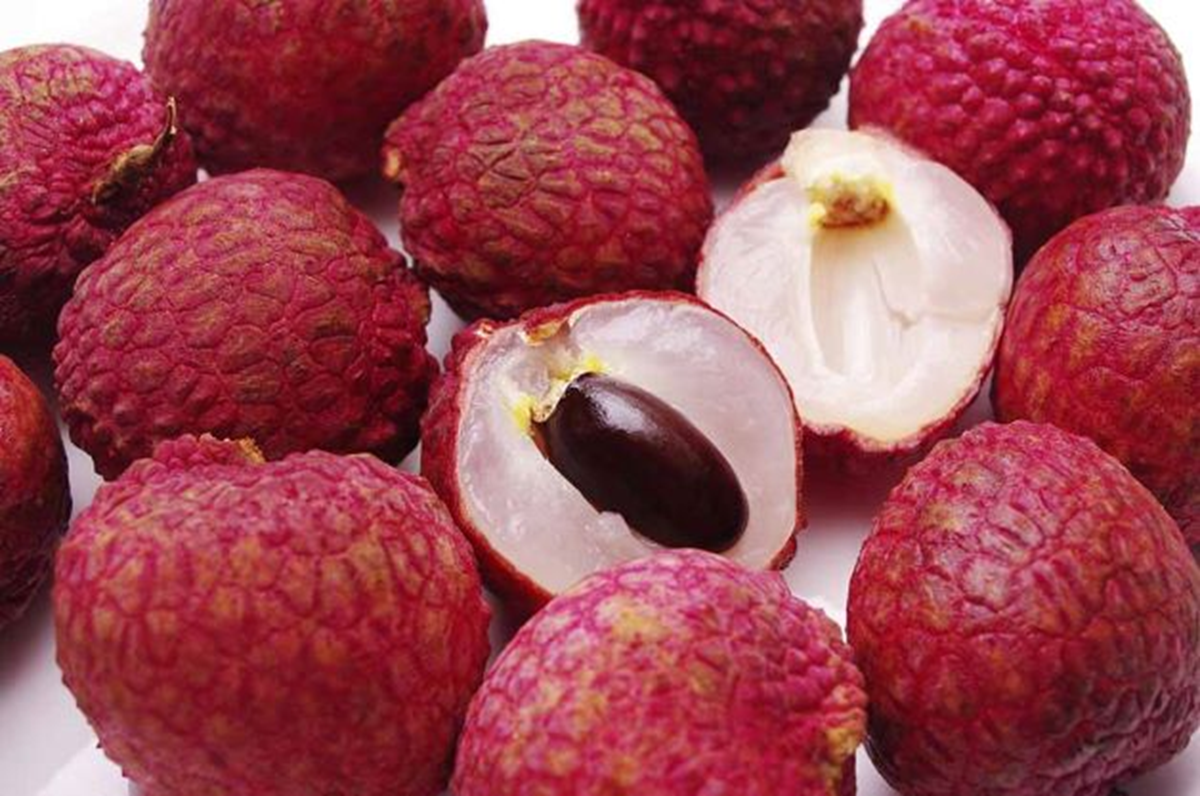
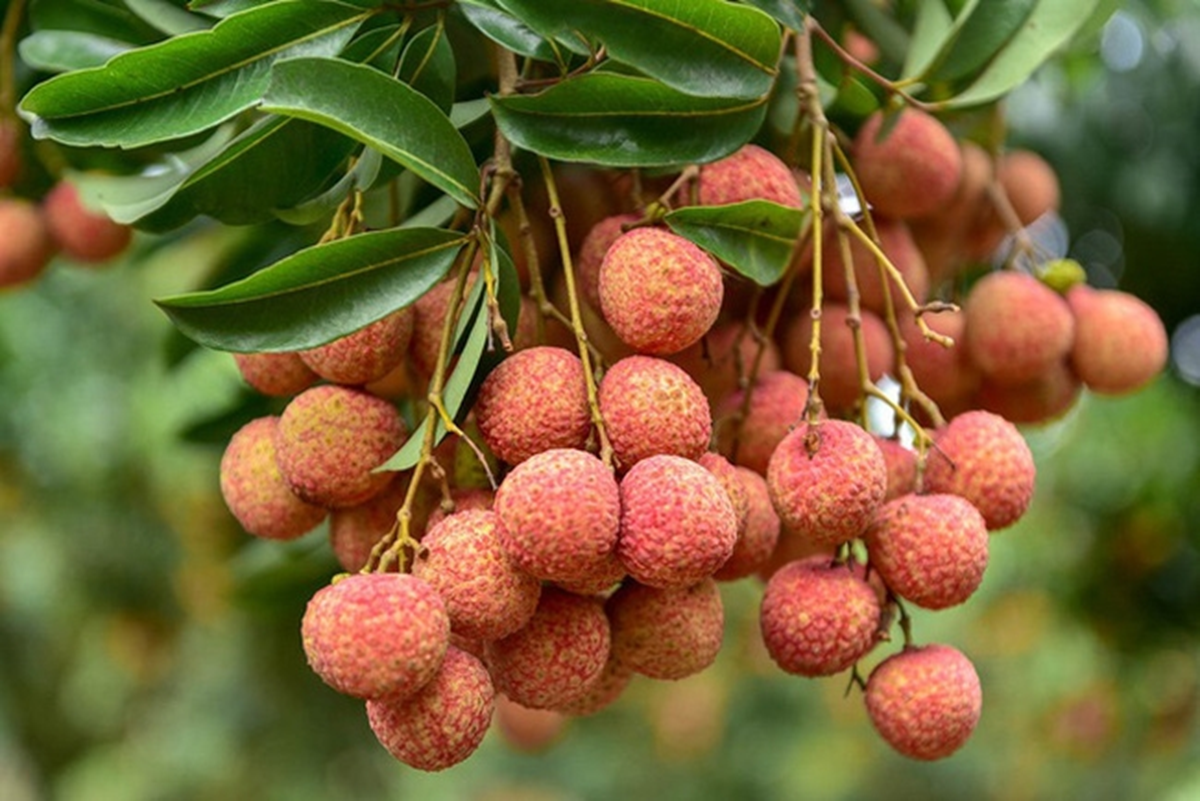
Few people realize that this rough-skinned, humble Vietnamese fruit is actually loaded with nutrients and is often compared to ginseng or bird’s nest for its nourishing benefits.

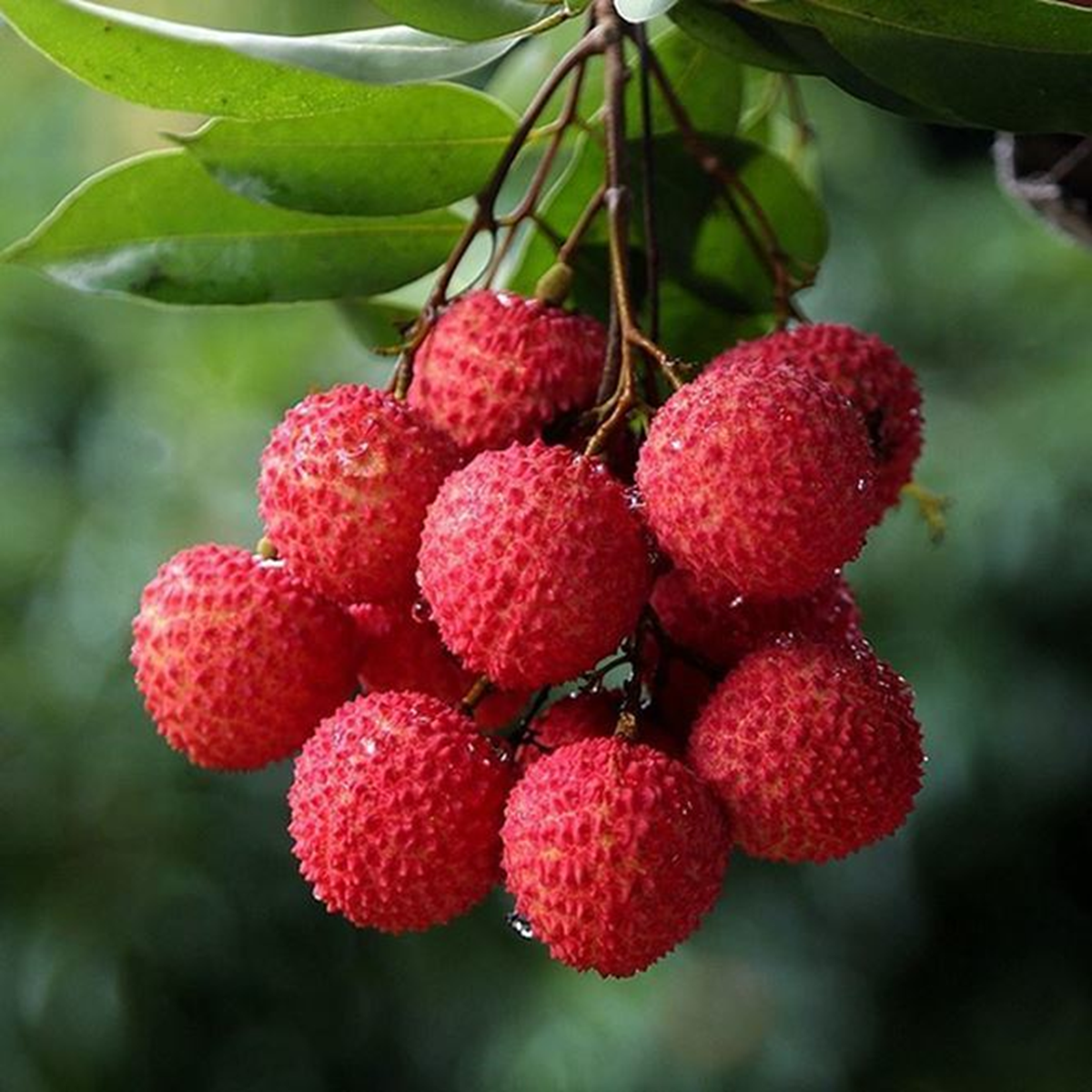
More than just a signature summer fruit, lychee is often called the “king of tropical fruits” thanks to its sweet fragrance and rich nutritional value. Beneath its bumpy outer shell lies juicy white flesh packed with vitamins and antioxidants that offer many surprising health benefits.

Health Benefits of Lychee

Nutritional content in 100g of fresh lychee includes approximately:

63 calories
16g carbohydrates
0.8g protein
0.4g fat
1.2g fiber
68mg vitamin C
0.1mg copper
0.1mg vitamin B6
162mg potassium
0.05mg riboflavin
23μg folate
0.5mg niacin
29mg phosphorus
9mg magnesium
0.05mg manganese

Lychee also contains small amounts of iron, selenium, zinc, and calcium.

According to traditional Eastern medicine, lychee is considered warming in nature with a sweet and slightly sour taste, benefiting the spleen and liver meridians. It is believed to nourish the blood, generate body fluids, and relieve thirst.

Lychee seeds, known as “litchi seeds” in traditional medicine, have a slightly bitter, sweet, and astringent taste. They are considered warming and are used to regulate energy flow, reduce pain, and dissolve stagnation. Lychee seeds are commonly included in traditional herbal remedies.

In traditional Indian medicine, lychee has also been used to improve digestion, support reproductive health, and strengthen the nervous system.

Loại quả Việt vỏ "xù xì", bên trong mọng ngọt được ví bổ dưỡng chẳng kém nhân sâm, tổ yến- Ảnh 2.

Powerful Antioxidant Effects

Lychee is an excellent source of antioxidants, flavonoids, and anthocyanins, including gallic acid, chrysanthemin, and oenin, along with a high level of vitamin C.

Antioxidants are essential compounds that help fight free radicals and prevent oxidative damage to cells. Research suggests that antioxidants may support long-term health and help reduce the risk of chronic diseases such as cancer, diabetes, and cardiovascular disease.

Helps Reduce Inflammation

Studies show that lychee may help control inflammation. Flavonoid-rich lychee extracts have been found to suppress the activity of genes linked to inflammatory processes.

The antioxidants in lychee may also help reduce inflammation and prevent the buildup of harmful free radicals in the body.

A Natural Treasure Trove of Antioxidants

Lychee contains high levels of vitamin C, polyphenols, and beneficial plant compounds that protect cells from free radical damage while supporting inflammation reduction.

Research indicates that antioxidants such as gallic acid, catechin, rutin, and epicatechin found in lychee may help lower the risk of common chronic diseases and strengthen the immune system.

Loại quả Việt vỏ "xù xì", bên trong mọng ngọt được ví bổ dưỡng chẳng kém nhân sâm, tổ yến- Ảnh 3.

Rich in Vitamin C for Stronger Immunity

Lychee is an abundant source of vitamin C, an essential nutrient that helps boost immunity, support wound healing, and maintain healthy skin.

Instead of relying only on citrus fruits, lychee can be added to smoothies, salads, or enjoyed as a refreshing summer snack.

May Help Prevent Cancer

Not only the flesh but also the peel of lychee contains powerful flavonoids and antioxidants. Some animal studies suggest that lychee peel extract may help inhibit the growth of cancer cells, especially breast cancer cells.

Although more human studies are needed, lychee is still considered a fruit with strong potential for supporting overall health protection.

A 2017 review published in the journal Nutrients found that the pulp, peel, and seeds of lychee all contain bioactive compounds that may suppress tumor formation and inhibit cancer cell growth.

Supports Healthy Digestion

Thanks to its high water content and soluble fiber, lychee helps cleanse the intestines, stimulate bowel movement, and improve digestion.

Eating lychee in moderation may help reduce constipation, improve nutrient absorption, and ease stomach discomfort.

Loại quả Việt vỏ "xù xì", bên trong mọng ngọt được ví bổ dưỡng chẳng kém nhân sâm, tổ yến- Ảnh 4.

Boosts Metabolism and Energy

B vitamins such as thiamin, riboflavin, and niacin in lychee help the body convert fats, proteins, and carbohydrates into energy more efficiently.

As a result, the body stays more energized, while supporting liver function and the nervous system and reducing fatigue throughout the day.

Hydrates and Cools the Body in Summer

With its high water content, lychee is an ideal fruit for rehydrating and cooling the body during hot weather.

You can eat it fresh, make juice, or combine it with desserts for added flavor and natural electrolyte replenishment.

Good for Heart Health and Stroke Prevention

Lychee contains very little cholesterol and sodium, helping reduce the risk of atherosclerosis, high blood pressure, and heart disease.

Additionally, the high vitamin C content may help prevent plaque buildup in blood vessels, supporting heart health and lowering stroke risk.

Eat Lychee in Moderation

Although lychee offers many health benefits, it is relatively high in carbohydrates and natural sugars, so it should be eaten in moderation and at the right time.

The best time to eat lychee is in the morning, when the body can absorb nutrients more effectively. It also makes a great mid-morning snack.

Adults can generally eat about 10–12 lychees per day. People with diabetes should limit intake to around 6–8 lychees daily.

Fresh lychee is the healthiest option, as canned lychee juice often contains high amounts of added sugar and preservatives.

News in the same category

News Post