Showering is a basic daily activity, but for older adults, it can quietly become one of the highest-risk routines in the home. Slippery surfaces, sudden changes in blood pressure, and reduced balance all combine to make the bathroom a potential danger zone.
What many people don’t realize is that timing matters just as much as safety equipment. Certain times of day can increase the risk of falls, dizziness, or even serious injury.
Let’s break it down clearly.
1. Early Morning: When the Body Isn’t Fully Ready
Right after waking up, the body is still transitioning from rest to activity.
Why this is risky:
- Blood pressure is often lower in the morning
- Muscles and joints are stiff
- Balance and coordination are not fully “awake”
What can happen:
- Dizziness when standing (orthostatic hypotension)
- Slips due to slower reaction time
Safer approach:
Wait at least 30–60 minutes after waking up, have some water or light food, and allow the body to stabilize before showering.
2. Late at Night: When Fatigue Kicks In
Showering late at night may seem relaxing, but it can increase risk.
Why this is risky:
- Fatigue reduces alertness and coordination
- Lighting may be dimmer
- Reaction time is slower
What can happen:
- Missteps or slips
- Difficulty maintaining balance
Safer approach:
Shower earlier in the evening when energy levels are still stable.

3. Immediately After Eating
This one surprises a lot of people.
Why this is risky:
- Blood flow shifts to the digestive system
- Less blood goes to the brain temporarily
What can happen:
- Lightheadedness
- Weakness
Safer approach:
Wait at least 30–60 minutes after meals before showering.
4. When Feeling Unwell or Dizzy
This is an obvious but often ignored factor.
Warning signs:
- Headache
- Fatigue
- Dizziness
- Fever
Why it matters:
Even a mild illness can affect balance and strength, making a fall much more likely.
Safer approach:
Delay showering until feeling stable—or have someone nearby to assist.
5. Right After Taking Certain Medications
Many medications taken by older adults can affect:
- Blood pressure
- Alertness
- Balance
Common effects:
- Drowsiness
- Sudden drops in blood pressure
- Slower reflexes
Safer approach:
Check how the body reacts to medication before showering, especially new prescriptions.
6. When Alone Without Support
Timing isn’t just about the clock—it’s also about availability of help.
Why this is risky:
- No one to assist if a fall occurs
- Delayed response in emergencies
Safer approach:
Shower when someone is nearby or aware, especially if there’s a history of falls.
7. Environmental Factors That Make Timing Worse
Even the “right time” can become risky if conditions aren’t safe.
Watch out for:
- Slippery floors
- Poor lighting
- Lack of grab bars
- No non-slip mats
Timing + environment = overall safety level.
Practical Safety Tips (Low Effort, High Impact)
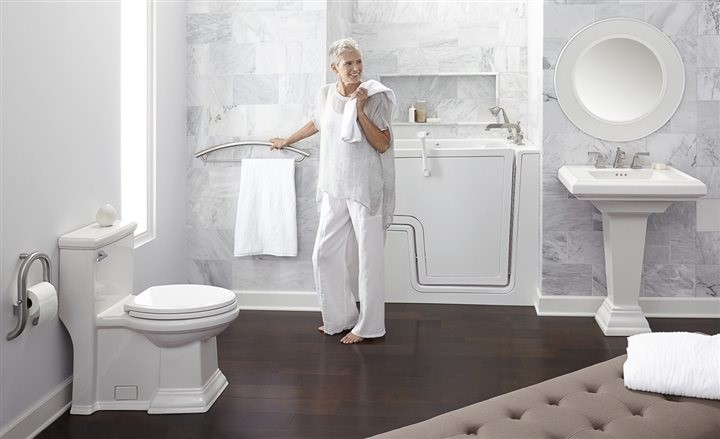
- Install grab bars in the shower
- Use non-slip mats
- Keep lighting bright and consistent
- Use a shower chair if needed
- Keep essentials within easy reach
These small changes dramatically reduce risk.
Why This Topic Matters More Than People Think
Bathroom falls are one of the leading causes of injury in older adults. And unlike other areas of the house, the bathroom combines:
- Water (slippery surfaces)
- Hard floors
- Limited space
That’s a dangerous combination.
Final Take
Showering is routine - but for seniors, it requires strategy, not just habit.
- Avoid early mornings when the body is unstable
- Skip late nights when fatigue sets in
- Be cautious after meals or medication
- Never ignore signs of dizziness or weakness
Because safety isn’t just about how you shower - it’s also about when you do it.
If needed, you can describe a specific bathroom setup, and I’ll point out exactly what to adjust to make it safer and more senior-friendly.