Oregano is a familiar herb in kitchens around the world, widely used to add flavor to dishes such as pasta, salads, soups, and roasted vegetables. However, beyond its culinary appeal, oregano has also attracted attention in scientific and health communities for its potential role in supporting overall wellness.
For centuries, oregano has been used in traditional herbal practices, especially in Mediterranean cultures. Modern research has begun to examine the bioactive compounds present in oregano and how they may influence human health. While oregano is not a cure for diseases, studies suggest that its natural compounds may contribute to various aspects of well-being when included as part of a balanced diet.
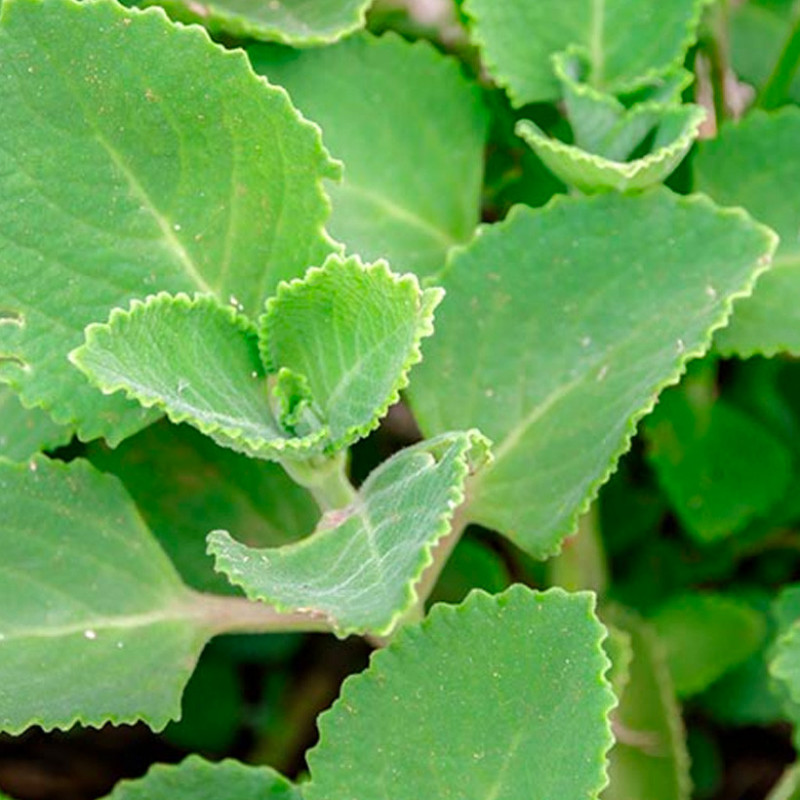
What Is Oregano?
Oregano (Origanum vulgare) is a flowering plant belonging to the mint family (Lamiaceae). It grows naturally in Mediterranean regions but is now cultivated in many parts of the world.
The plant produces small green leaves with a strong aroma and flavor. These leaves are commonly dried and used as a seasoning, although fresh oregano is also popular in cooking.
Oregano contains several natural compounds that researchers believe may contribute to its potential health-supporting properties.
Some of the key components include:
-
Carvacrol
-
Thymol
-
Rosmarinic acid
-
Flavonoids
-
Essential oils
These compounds are being studied for their possible biological effects.
1. Rich in Antioxidants
One of the most widely studied properties of oregano is its high antioxidant content.
Antioxidants are molecules that help protect cells from damage caused by unstable molecules known as free radicals. Over time, excessive oxidative stress may contribute to aging and various health conditions.
Oregano contains several antioxidant compounds, including:
-
Carvacrol
-
Thymol
-
Rosmarinic acid
These substances may help neutralize harmful free radicals and support the body's natural defense systems.
Because of this, oregano is sometimes considered one of the herbs with notably strong antioxidant activity among common culinary herbs.
2. Potential Anti-Inflammatory Properties
Inflammation is a natural response of the immune system that helps the body defend itself against injury or infection. However, chronic inflammation has been linked to several long-term health conditions.
Some research suggests that certain compounds in oregano, particularly carvacrol, may have anti-inflammatory effects.
Laboratory studies indicate that these compounds may help regulate inflammatory pathways in the body. While more human studies are needed, these findings suggest that oregano may contribute to overall health when consumed as part of a balanced diet.
3. Natural Antimicrobial Effects
Another area of scientific interest involves oregano’s potential antimicrobial properties.
Essential oils extracted from oregano have been shown in laboratory studies to affect the growth of certain bacteria and microorganisms. Carvacrol and thymol are believed to play a significant role in these effects.
Because of these properties, oregano oil has been explored in various applications, including:
-
Food preservation
-
Natural cleaning products
-
Traditional herbal remedies
However, oregano oil is highly concentrated and should be used cautiously and under professional guidance when used beyond culinary purposes.
4. May Support Digestive Health
In traditional herbal practices, oregano has often been used to support digestive comfort.
Some studies suggest that oregano compounds may influence digestive processes by:
-
Supporting healthy gut bacteria balance
-
Promoting digestive enzyme activity
-
Helping reduce digestive discomfort
While scientific research in humans remains limited, oregano continues to be explored as a herb that may contribute to digestive wellness.

5. Potential Support for Immune Function
The immune system relies on a variety of nutrients and compounds to function properly. Herbs rich in antioxidants and plant compounds may help support the body’s natural defense systems.
Oregano’s combination of antioxidants and antimicrobial compounds has led researchers to investigate its potential role in immune health.
Although oregano alone cannot prevent illness, including herbs and plant-based foods in the diet may help support overall immune function.
6. Possible Heart Health Benefits
Certain studies have suggested that the compounds found in oregano may contribute to cardiovascular health.
For example, some laboratory and animal studies indicate that oregano compounds may influence:
-
Cholesterol levels
-
Oxidative stress in blood vessels
-
Inflammatory processes
While these findings are promising, further research in humans is necessary to fully understand oregano’s role in heart health.
7. Nutritional Contributions
Although oregano is typically used in small quantities, it still contains a range of nutrients.
These include:
-
Vitamin K
-
Vitamin A
-
Iron
-
Calcium
-
Dietary fiber
Because oregano is often used as a seasoning, it may not contribute large amounts of these nutrients, but it still adds value to a nutrient-rich diet.
Ways to Incorporate Oregano into Your Diet
Adding oregano to meals is simple and can enhance both flavor and nutritional variety.
Common ways to use oregano include:
-
Sprinkling dried oregano over roasted vegetables
-
Adding fresh oregano to salads
-
Using oregano in pasta sauces and soups
-
Including it in marinades and dressings
Fresh oregano tends to have a slightly stronger flavor, while dried oregano offers convenience and a longer shelf life.
Oregano Oil and Safety Considerations
Oregano essential oil is much more concentrated than the herb used in cooking.
While it is sometimes promoted for various health uses, oregano oil should be used carefully because high concentrations may irritate the skin or digestive system.
Before using oregano oil for health purposes, it is advisable to consult a healthcare professional.

The Importance of Balanced Nutrition
Although oregano contains promising compounds, it is important to remember that no single herb or food can guarantee health benefits on its own.
A healthy lifestyle typically includes:
-
A balanced diet rich in fruits and vegetables
-
Regular physical activity
-
Adequate sleep
-
Stress management
-
Routine medical checkups
Herbs like oregano can complement these habits by contributing beneficial plant compounds to daily meals.
Final Thoughts
Oregano is more than just a flavorful culinary herb. Scientific research continues to explore its natural compounds and their potential role in supporting overall health. With antioxidants, antimicrobial properties, and possible anti-inflammatory effects, oregano represents an interesting example of how everyday herbs may contribute to wellness.
While further studies are still needed to fully understand its medical potential, incorporating oregano into a balanced diet is a simple and enjoyable way to add both flavor and beneficial plant compounds to everyday meals.
In the end, small ingredients like oregano remind us that healthy living often begins with simple choices in the kitchen.