When discussing long-term health risks and serious illnesses like liver cancer, attention usually turns to genetics, lifestyle choices, or environmental pollutants. However, everyday habits inside the kitchen—specifically how we handle, store, and preserve our food—can play a surprisingly critical role in our overall well-being.
The Hidden Threats of Improper Storage
While refrigerators slow down bacterial growth, they do not stop it entirely. Improper food storage can lead to hidden hazards that accumulate over time:
-
Mold and Aflatoxins: Moldy foods can harbor dangerous mycotoxins, particularly aflatoxins, which are potent, cancer-causing toxins linked directly to an increased risk of liver damage and liver cancer after long-term exposure. Simply cutting away visible mold is often insufficient, as microscopic roots can penetrate deeper into soft foods like bread, fruits, and dairy.
-
Cross-Contamination: Storing raw meats directly above ready-to-eat produce or unsealed leftovers allows harmful bacteria like Salmonella or Listeria to spread, compromising food safety.
-
Expired or Prolonged Storage: Keeping cooked leftovers past the recommended 3-to-4-day window can encourage bacterial and fungal proliferation, even if the food appears normal.
Key Steps to Protect Your Health
Safeguarding your kitchen environment doesn't require drastic measures, but it does call for consistent, mindful habits:
-
Maintain Proper Fridge Temperatures: Keep your refrigerator at or below 4°C (40°F) to properly inhibit rapid bacterial growth.
-
Organize with Care: Always store raw meats on the lowest shelves in sealed containers to prevent juices from dripping onto other food items.
-
Discard Spoiled Items Promptly: If food shows signs of mold, strange odors, or has been kept past its safe window, throw it out immediately rather than trying to salvage it.
-
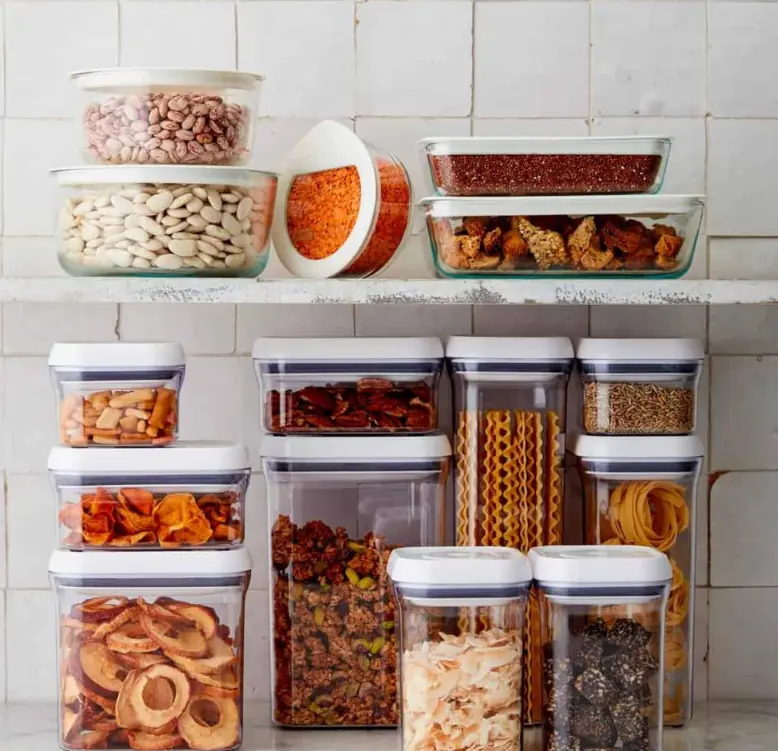
Choose Safe Storage Materials: Opt for glass or stainless steel containers instead of plastics that may degrade or leach chemicals into warm foods over time.
Proper food storage is a simple yet powerful line of defense. By paying closer attention to what happens inside our refrigerators and pantries, we can significantly reduce unnecessary exposure to potential toxins and protect our long-term health.