An aneurysm is often referred to as a "silent threat" because it can develop gradually without causing any noticeable symptoms. Many people live with an aneurysm for years without realizing it exists. Unfortunately, when an aneurysm ruptures, it can become a life-threatening medical emergency requiring immediate treatment.
Understanding what an aneurysm is, who is at risk, and which symptoms should never be ignored may help save lives. While not every aneurysm causes symptoms, recognizing the warning signs can make a crucial difference.
What Is an Aneurysm?
An aneurysm occurs when a weakened area in the wall of a blood vessel begins to bulge outward, much like a balloon. Over time, the pressure of blood flowing through the vessel can cause the bulge to enlarge.
Aneurysms can develop in different parts of the body, but they are most commonly found in:
-
The brain (cerebral aneurysm)
-
The aorta, the body's largest artery (aortic aneurysm)
-
The abdomen (abdominal aortic aneurysm)
-
The chest (thoracic aortic aneurysm)
Some aneurysms remain small and stable throughout a person's life, while others may continue to grow and eventually rupture.
Why Are Aneurysms So Dangerous?
The greatest danger occurs when an aneurysm bursts or ruptures. This can lead to severe internal bleeding, stroke, organ damage, or even death.
Because aneurysms often produce few or no symptoms before a rupture occurs, many people are unaware they have one until a medical emergency develops.
Early detection is important because doctors can often monitor or treat aneurysms before they become life-threatening.
Risk Factors for Developing an Aneurysm
Several factors may increase the likelihood of developing an aneurysm:
-
High blood pressure
-
Smoking
-
Family history of aneurysms
-
Aging
-
Atherosclerosis (hardening of the arteries)
-
High cholesterol
-
Connective tissue disorders
-
Previous vascular injuries
-
Excessive alcohol consumption
-
Certain genetic conditions
While anyone can develop an aneurysm, the risk generally increases with age.
Symptoms of a Brain Aneurysm
Many brain aneurysms cause no symptoms until they enlarge or rupture. However, some warning signs may appear beforehand.
Possible symptoms include:
1. Severe Headaches
A sudden, extremely intense headache is often described as the worst headache of a person's life. This can be a sign of a leaking or ruptured brain aneurysm and requires emergency medical attention.
2. Vision Problems
An enlarging aneurysm may press on nearby nerves, causing:
-
Blurred vision
-
Double vision
-
Loss of vision in one eye
3. Eye Pain
Pain behind or above one eye can occur if the aneurysm compresses surrounding structures.
4. Drooping Eyelid
A drooping eyelid may be an early sign that an aneurysm is affecting nearby nerves.
5. Facial Numbness
Pressure on nerves can lead to numbness or weakness on one side of the face.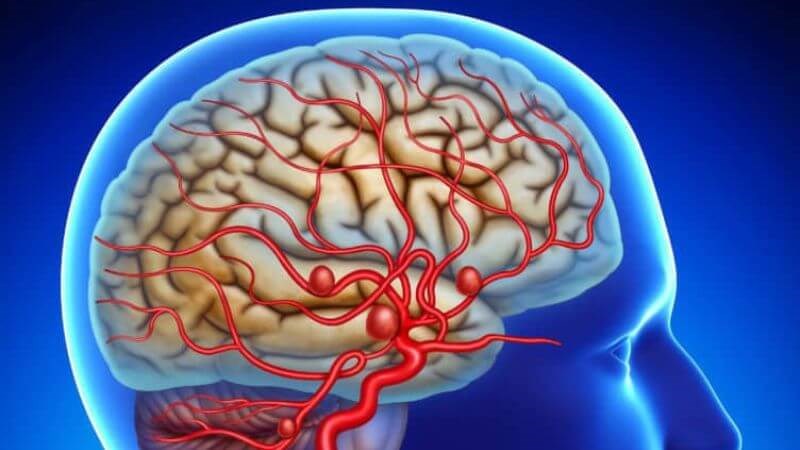
6. Difficulty Speaking
Speech changes or confusion may occur if blood flow to certain areas of the brain becomes affected.
Symptoms of an Abdominal Aortic Aneurysm
An abdominal aortic aneurysm (AAA) develops in the section of the aorta that passes through the abdomen.
Possible symptoms include:
7. Deep Abdominal Pain
Persistent pain in the abdomen that does not have an obvious cause may be a warning sign.
8. Back Pain
Pain that radiates into the lower back is a common symptom of an enlarging aneurysm.
9. Pulsating Sensation in the Abdomen
Some individuals report feeling a strong pulse or throbbing sensation near the navel.
10. Sudden Severe Pain
A ruptured abdominal aneurysm often causes sudden, intense abdominal or back pain and requires immediate emergency treatment.
Symptoms of a Thoracic Aortic Aneurysm
Thoracic aneurysms occur in the chest portion of the aorta.
Potential symptoms include:
11. Chest Pain
A deep, persistent pain in the chest may develop as the aneurysm grows.
12. Shortness of Breath
Large aneurysms can place pressure on nearby structures, affecting breathing.
13. Difficulty Swallowing
Compression of the esophagus may make swallowing uncomfortable.
14. Hoarseness
An aneurysm may affect nerves that control the vocal cords, resulting in a hoarse voice.
15. Persistent Cough
Some people experience a chronic cough due to pressure on nearby airways.
Symptoms of a Ruptured Aneurysm
When an aneurysm ruptures, symptoms can appear suddenly and dramatically.
Emergency warning signs include:
-
Sudden severe headache
-
Loss of consciousness
-
Seizures
-
Sudden vision changes
-
Severe chest pain
-
Extreme abdominal pain
-
Rapid heartbeat
-
Low blood pressure
-
Dizziness
-
Confusion
-
Difficulty breathing
-
Shock
A ruptured aneurysm is a medical emergency. Immediate treatment can be life-saving.
How Are Aneurysms Diagnosed?
Many aneurysms are discovered accidentally during imaging tests performed for unrelated reasons.
Doctors may use:
-
CT scans
-
MRI scans
-
Ultrasound examinations
-
Angiography
-
Echocardiography
Individuals with a family history of aneurysms may benefit from discussing screening options with their healthcare provider.
Can Aneurysms Be Prevented?
Although not all aneurysms can be prevented, certain lifestyle choices may reduce risk.
Control Blood Pressure
High blood pressure places additional stress on artery walls.
Stop Smoking
Smoking is one of the strongest risk factors for aneurysm formation and rupture.
Exercise Regularly
Physical activity supports cardiovascular health and helps maintain healthy blood vessels.
Eat a Heart-Healthy Diet
Focus on fruits, vegetables, whole grains, lean proteins, and healthy fats.
Manage Cholesterol Levels
Healthy cholesterol levels help reduce damage to blood vessels.
Maintain a Healthy Weight
Excess weight may contribute to cardiovascular disease and hypertension.
When Should You Seek Medical Attention?
Seek immediate medical care if you experience:
-
Sudden severe headache
-
Sudden chest pain
-
Unexplained abdominal pain
-
Vision changes
-
Loss of consciousness
-
Sudden neurological symptoms
These symptoms do not always indicate an aneurysm, but they should never be ignored.
Final Thoughts
Aneurysms are often silent, making them especially dangerous. Many people experience no symptoms until the condition becomes serious or even life-threatening. Understanding the warning signs and knowing your risk factors can help promote earlier detection and treatment.
While most headaches, chest pains, or episodes of dizziness are not caused by an aneurysm, recognizing unusual or severe symptoms and seeking prompt medical attention may make a critical difference. Taking care of your cardiovascular health today can help protect your blood vessels and reduce the risk of complications in the future.