Aneurysm: Warning Signs and Symptoms You Should Never Ignore
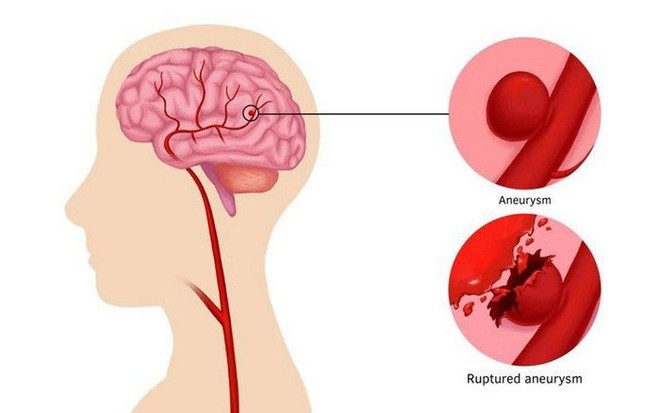
An aneurysm is a serious medical condition that often develops silently but can become life-threatening without warning. It occurs when a weakened area in a blood vessel wall bulges or balloons outward. If it ruptures, it can lead to severe internal bleeding, stroke, or even death. That’s why recognizing early signs—when they appear—can make a critical difference.
Medically known as an Aneurysm, this condition can form in different parts of the body, most commonly in the brain, aorta, or abdominal region.
What makes aneurysms dangerous?
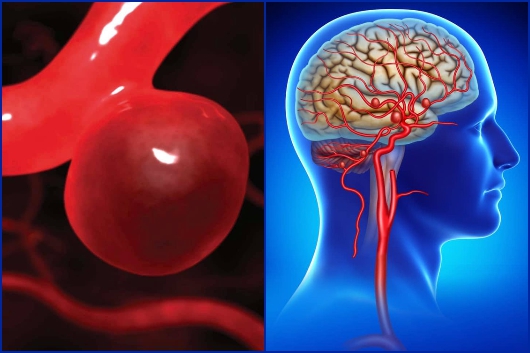
Many aneurysms develop slowly and without noticeable symptoms. Some people may live with one for years without knowing it exists. However, once it grows large or ruptures, the situation becomes an emergency.
The challenge is that warning signs—if they appear—can be subtle or easily mistaken for other conditions.
Common signs and symptoms to watch for
Symptoms vary depending on where the aneurysm is located, but here are some of the most important warning signs doctors highlight:
1. Sudden, severe headache
Often described as the “worst headache of your life,” this can be a sign of a ruptured brain aneurysm. It may come on instantly and feel very different from a typical headache.
2. Vision problems
Blurred or double vision, or sudden sensitivity to light, can occur if an aneurysm presses on nerves near the eyes.
3. Pain around the head, neck, or abdomen
Depending on the location, you may feel persistent or sudden pain:
- Behind or above the eye (brain aneurysm)
- In the chest or back (aortic aneurysm)
- In the abdomen (abdominal aneurysm)
4. Numbness or weakness
Weakness on one side of the face or body, drooping eyelids, or difficulty moving can signal nerve involvement.
5. Difficulty speaking or confusion
Problems with speech, understanding, or sudden confusion may indicate pressure on brain structures or reduced blood flow.
6. Nausea, vomiting, or dizziness
These symptoms often accompany more severe cases, especially if rupture occurs.
Signs of rupture: a medical emergency
If an aneurysm ruptures, symptoms can escalate quickly and may include:
- Sudden, intense pain
- Loss of consciousness
- Seizures
- Rapid drop in blood pressure
- Difficulty breathing
This situation requires immediate emergency care. Delays can be fatal.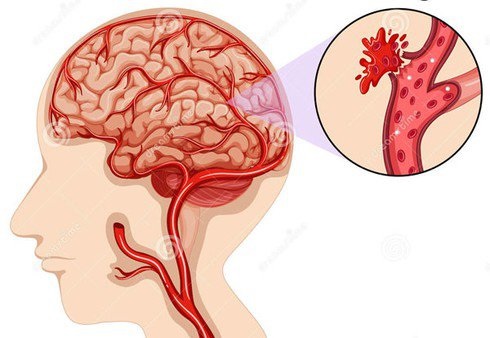
Who is at higher risk?
Certain factors can increase the likelihood of developing an aneurysm:
- High blood pressure
- Smoking
- Family history of aneurysms
- Aging (risk increases over time)
- Certain genetic conditions
Men and women can both be affected, though some types—like brain aneurysms—are slightly more common in women.
Can aneurysms be prevented?
Not all aneurysms can be prevented, but risk can be reduced by maintaining a healthy lifestyle:
- Keep blood pressure under control
- Avoid smoking
- Eat a balanced diet
- Exercise regularly
- Manage stress levels
Regular health check-ups are especially important if you have risk factors or a family history.
When should you see a doctor?
You should seek medical attention immediately if you experience sudden, severe symptoms—especially a sharp headache, vision changes, or unexplained pain.
Even mild but persistent symptoms should not be ignored. Early detection can allow doctors to monitor or treat an aneurysm before it becomes dangerous.
Bottom line
An aneurysm is often called a “silent threat” because it may not show clear signs until it becomes critical. Knowing the warning symptoms—and acting quickly—can save lives.
If something feels sudden, unusual, or severe, trust your instincts and seek medical help. When it comes to aneurysms, timing can make all the difference.