The “Silent Threat” Many Women Miss — 9 Early Signs of Cervical Can.cer You Should Never Ignore
Cervical cancer is often called a “silent disease” for a reason. In its early stages, it may not cause noticeable symptoms—allowing it to develop quietly over time.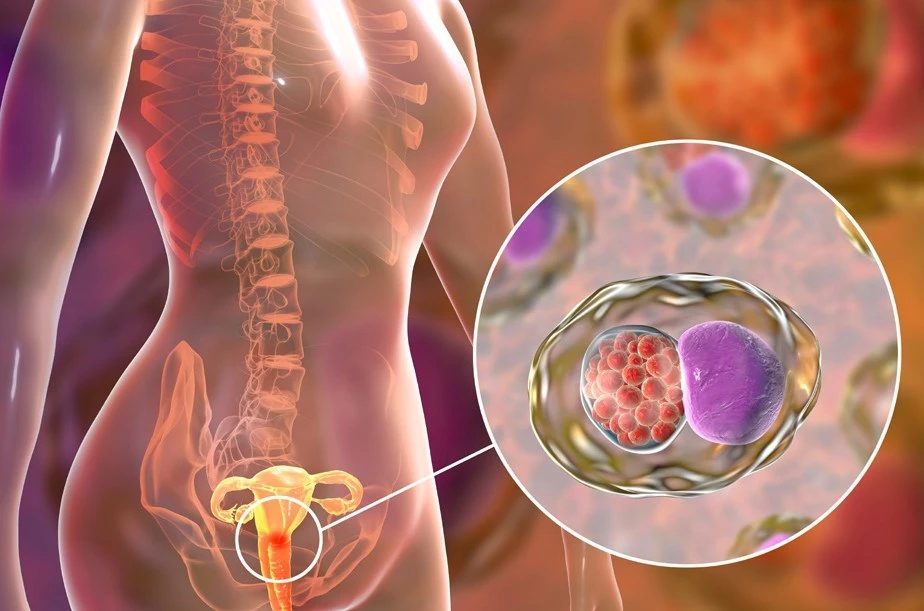
But in some cases, the body does send subtle warning signals. The problem is, many women overlook or misinterpret them, delaying diagnosis and treatment.
Why Cervical Cancer Is Often Detected Late
Health experts explain that early cervical cancer frequently shows no clear symptoms, which is why regular screening is essential.
When symptoms do appear, they are often mild and easily mistaken for less serious conditions like infections or hormonal changes.
9 Early Warning Signs Many Women Miss
1. Unusual Vaginal Bleeding
Bleeding between periods, after intercourse, or after menopause is one of the most common warning signs.
2. Abnormal Vaginal Discharge
Watery, bloody, or foul-smelling discharge may indicate changes in cervical cells.
3. Pain During Intercourse
Discomfort or pain during sex can be an early signal that something is wrong.
4. Pelvic Pain
Persistent pain in the lower abdomen or pelvic area should not be ignored.
5. Heavier or Longer Periods
Menstrual cycles that become unusually heavy or prolonged may be a warning sign.
6. Bleeding After Sex
This symptom is often overlooked but can be a key early indicator.
7. Unexplained Fatigue
Constant tiredness without a clear reason may be linked to underlying health issues.
8. Unintentional Weight Loss
Losing weight without trying can sometimes signal more serious conditions.
9. Changes in Urination or Bowel Habits
In some cases, cervical cancer may affect nearby organs, leading to discomfort when urinating or changes in bowel movements.
Why These Symptoms Are Easy to Ignore
Many of these signs overlap with common conditions such as infections, hormonal imbalances, or stress.
Because of this, women may delay seeking medical attention—especially if symptoms appear mild or temporary.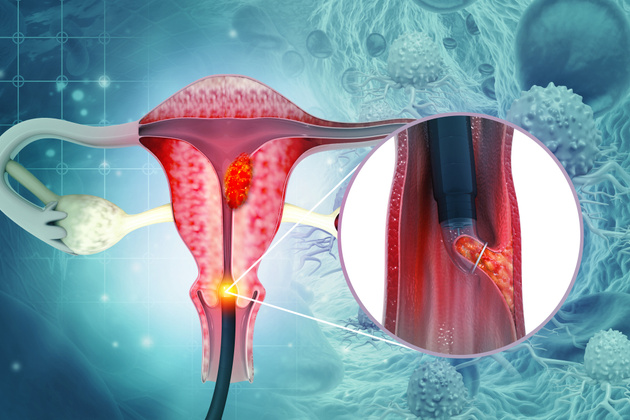
What Doctors Want You to Know
Medical experts stress that noticing one symptom does not mean cancer—but ignoring persistent changes can be risky.
Regular screenings like Pap tests and HPV checks are still the most effective way to detect cervical cancer early—often before symptoms even appear.
The Bottom Line
Cervical cancer doesn’t always announce itself loudly.
Sometimes, the earliest signs are subtle and easy to dismiss—but recognizing them early can make a life-saving difference.
Listening to your body—and acting on unusual changes—could be the key to early detection.