That Small Round Scar on Your Arm? Here’s the Truth Behind It
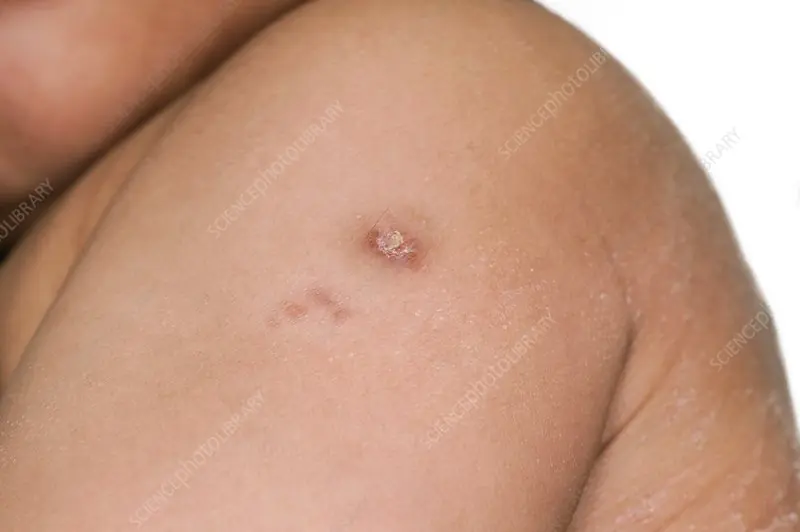
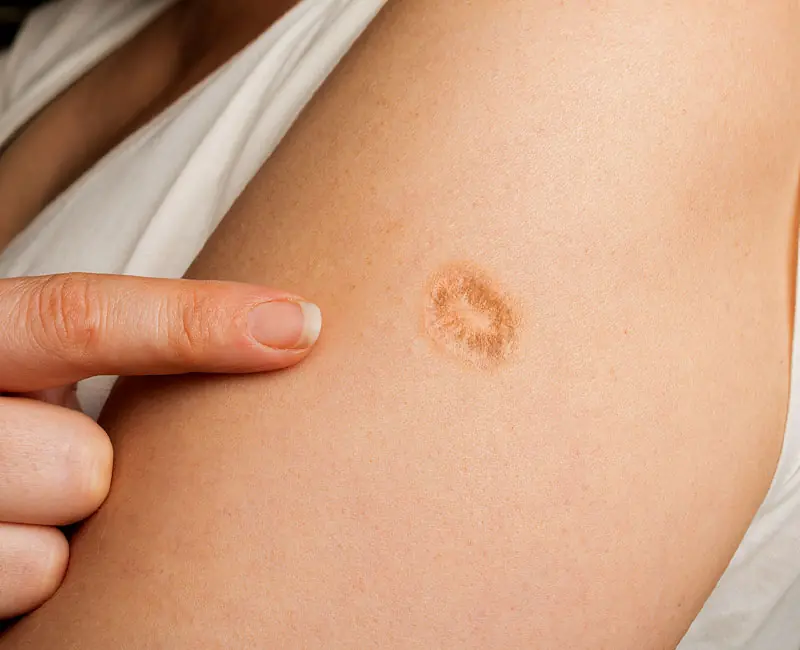
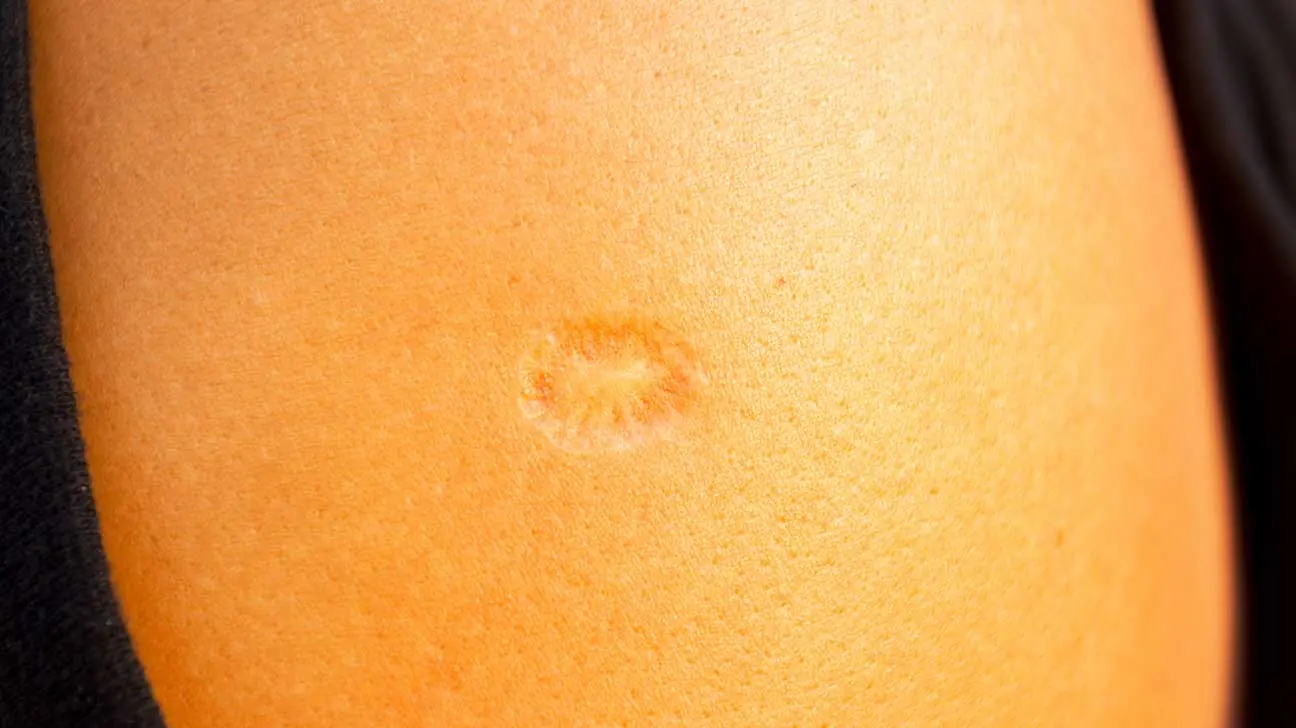
If there’s a small, round scar on the upper arm—like the one in the image—it’s not random, and it’s definitely not something to worry about. In fact, it’s something millions of people around the world share, especially those born in previous generations.
That mark has a story. And it’s more important than it looks.
What Is This Scar?
4
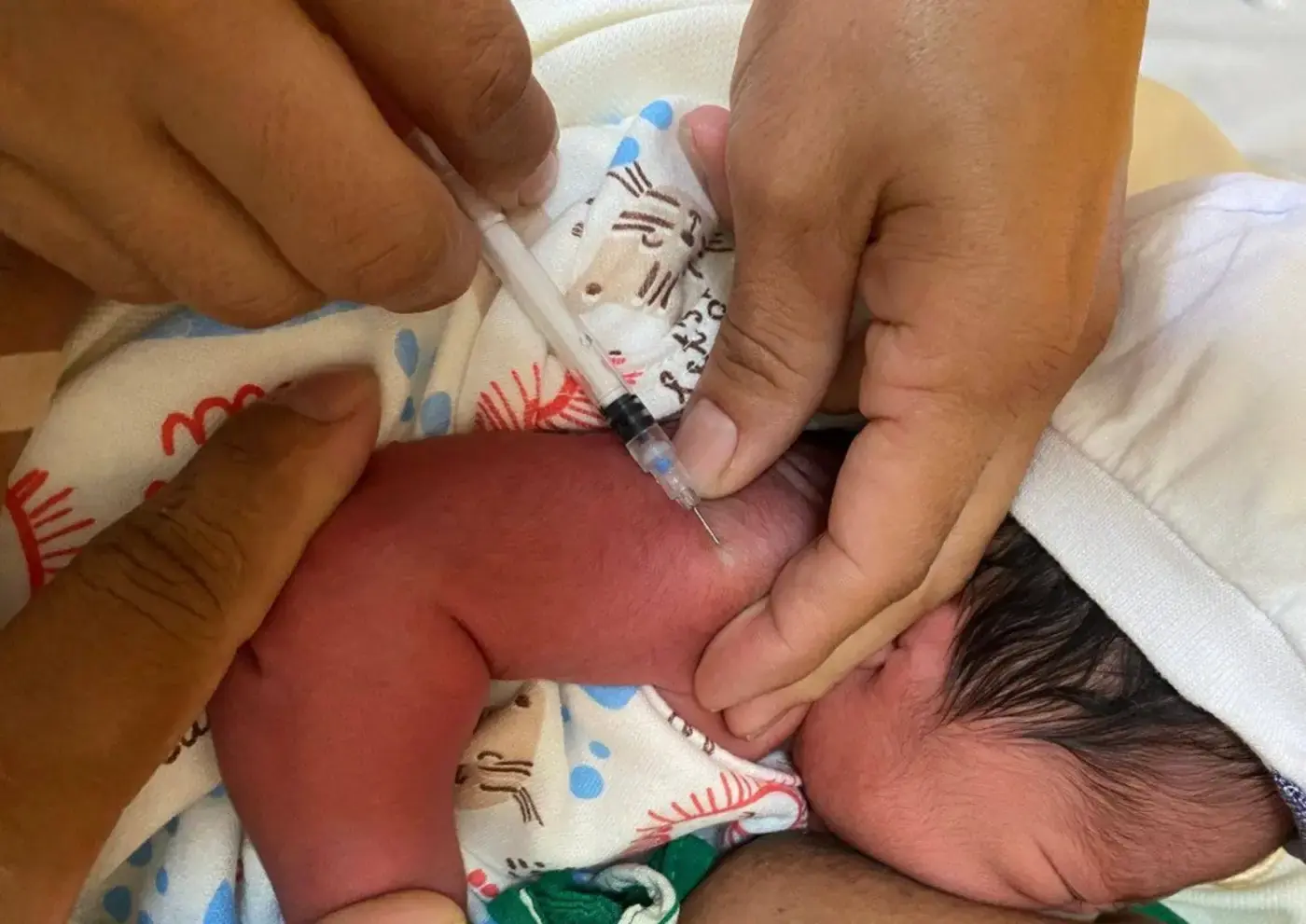
That small circular scar is most commonly from a childhood vaccine, especially the BCG vaccine (Bacillus Calmette–Guérin) or, in older generations, the smallpox vaccine.
In many countries, children were vaccinated shortly after birth or in early childhood, and the injection method caused a visible skin reaction that later healed into a scar.
Why Does It Leave a Mark?
Unlike modern vaccines that use fine needles, older vaccination methods involved:
- A small puncture or multiple pricks on the skin
- A localized immune reaction
- Mild inflammation or blistering
As the skin healed, it left behind that distinct round scar.
This was actually a sign that the vaccine worked—your immune system responded and built protection.
What Was the Vaccine For?
1. BCG Vaccine (Tuberculosis Protection)
The most common cause of this scar is the BCG vaccine, which helps protect against severe forms of tuberculosis (TB), especially in children.
2. Smallpox Vaccine (Historical)
Older individuals may have this scar from the smallpox vaccine—a disease that has now been eradicated globally thanks to vaccination efforts.
Why Do Some People Have It and Others Don’t?

4
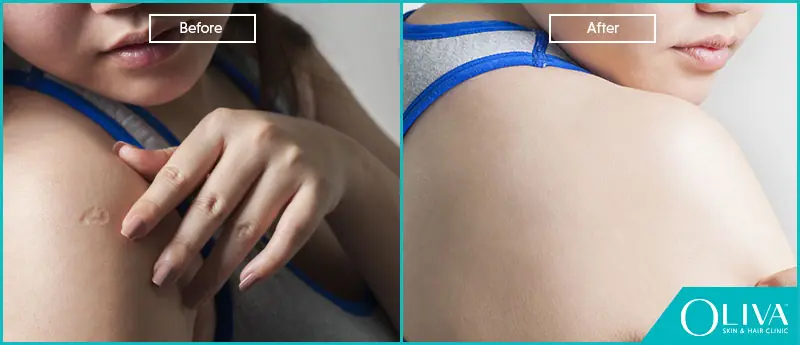
Not everyone has this scar because:
- Vaccination policies vary by country
- Newer vaccines don’t leave visible marks
- Some people heal without noticeable scarring
So if someone doesn’t have it, it doesn’t mean they weren’t vaccinated—it just means the method or response was different.
Is It Dangerous or Something to Treat?
No. This scar is completely harmless.
It does not indicate any disease or health problem. It’s simply a leftover mark from your body building immunity in childhood.
There is no need for treatment unless for cosmetic reasons.
A Hidden Symbol of Protection
That small mark represents something powerful:
- Protection from serious infectious diseases
- A moment when your body learned to defend itself
- A piece of medical history carried on your skin
Final Thoughts
Many people grew up with this mark without ever knowing its meaning. It wasn’t explained, and no one asked—yet it tells a story of prevention, science, and survival.
So next time you notice that small scar, remember:
It’s not just a mark. It’s proof that your body was prepared long before you even knew it.
That Small Round Scar on Your Arm? The Deeper Story of Vaccination, Immunity, and Medical History
1. Two Similar Scars, Two Very Different Vaccines
Although the small, round mark on the upper arm is often associated with childhood vaccination, not every vaccine scar has the same origin. Two vaccines are particularly important when discussing this familiar mark: BCG and the smallpox vaccine.
The BCG vaccine was developed to help protect against tuberculosis, a bacterial disease that can affect the lungs and other parts of the body. It is still used in many countries, particularly those where tuberculosis remains a significant public health concern.
The smallpox vaccine, on the other hand, belongs largely to medical history. It played a central role in eliminating smallpox, one of the most devastating infectious diseases humanity has ever faced.
Both vaccines could produce a visible reaction at the injection site, but the biological processes were different.
BCG contains a weakened strain of Mycobacterium bovis, a bacterium related to the organism responsible for tuberculosis. The vaccine stimulates the immune system to recognize mycobacteria and helps protect children against severe forms of tuberculosis, particularly tuberculous meningitis and disseminated TB.
The traditional smallpox vaccine used vaccinia virus, which is related to, but different from, the virus that causes smallpox. It was administered through repeated shallow punctures in the skin, creating a localized reaction that often healed into a distinctive, slightly depressed scar.
The difference matters because people sometimes assume that every circular vaccination mark is automatically a BCG scar. That is not necessarily true. The person's age, country of birth, childhood vaccination schedule, and family medical records can all provide useful clues.
2. Why BCG Vaccination Can Produce a Small Scar
The BCG vaccine is usually administered into the skin rather than deep into a muscle. This method is known as an intradermal injection.
Because the vaccine contains a live but weakened organism, the immune system responds locally. The area may initially look almost normal, but a small bump can develop after a few weeks.
Over time, the bump may become red, soften, and develop into a small superficial sore. It can sometimes release a little fluid before forming a crust. As the skin gradually heals, a small scar may remain.
This process can take several weeks or even a few months.
For parents who have never seen a BCG reaction before, the appearance can be surprising. A small ulcer may look alarming, especially when it occurs on a newborn's arm. However, a limited local reaction is generally an expected part of the healing process.
The important distinction is between an ordinary healing reaction and a complication.
A typical BCG reaction remains relatively localized. The sore gradually heals, and the child otherwise appears well. A healthcare professional should assess unusual symptoms such as substantial swelling, a large collection of pus, persistent worsening redness, or enlarged and painful lymph nodes.
The area should generally be kept clean. Parents should avoid squeezing, scratching, or applying unprescribed creams, herbal preparations, or harsh disinfectants. If the reaction looks unusual or the child develops a fever or appears unwell, medical advice is appropriate.
The final scar is usually small, but its appearance can vary. Some are flat, some are slightly depressed, and others may be raised. Its size and shape can depend on the vaccine strain, the injection technique, the person's skin-healing characteristics, and other individual factors.
The World Health Organization recognizes that BCG vaccination commonly produces a local reaction and may leave a scar, but scar formation is not a reliable measure of the protection produced by the vaccine. WHO guidance explains that some vaccinated people do not develop a recognizable mark.