Story 05/02/2026 17:31

— The suitcase is packed, the tickets are bought! I’m not your mother’s live-in helper—I’m a woman who wants to breathe! — I blurted out.

— The suitcase is packed, the tickets are bought! I’m not your mother’s live-in helper—I’m a woman who wants to breathe! — I blurted out.

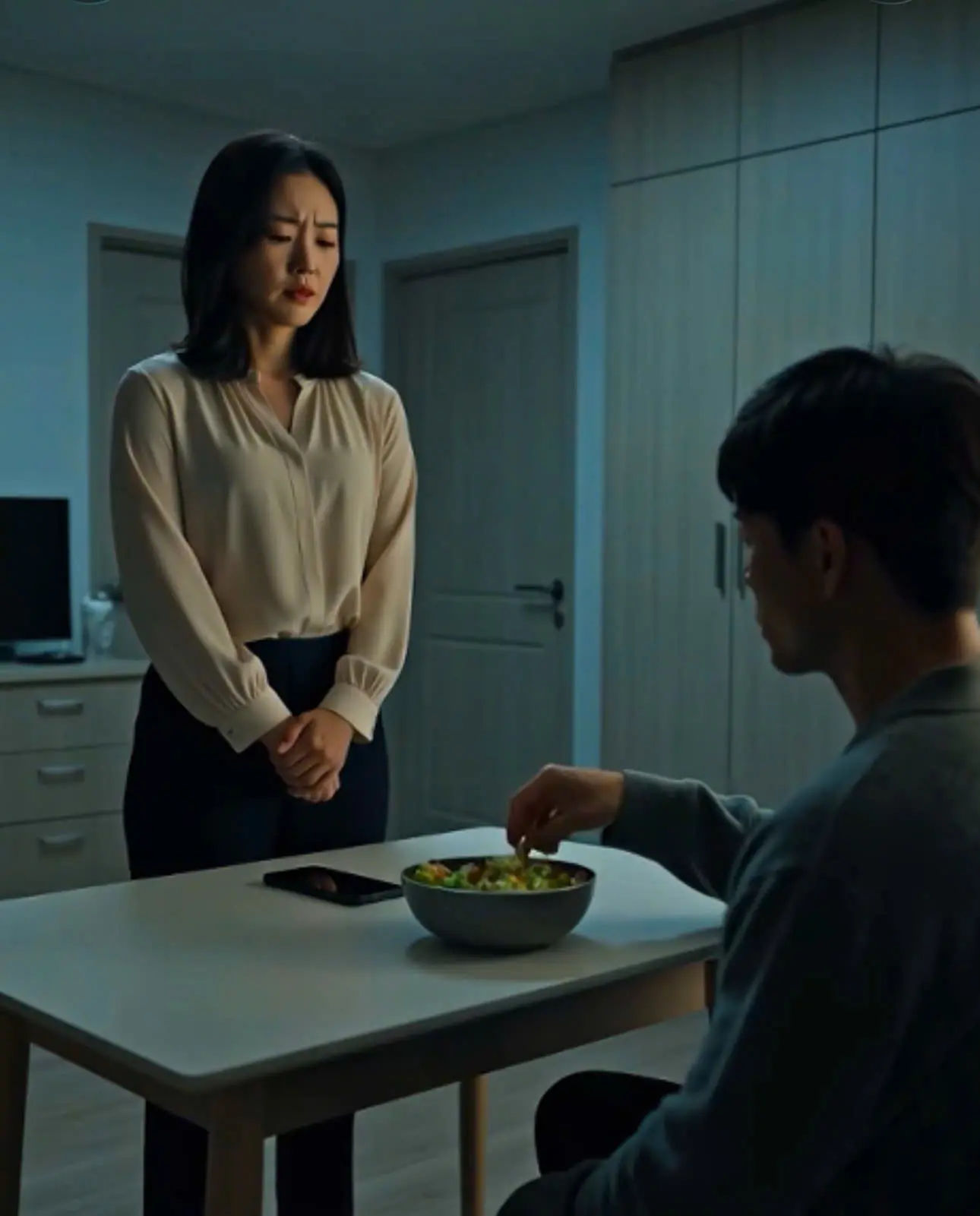
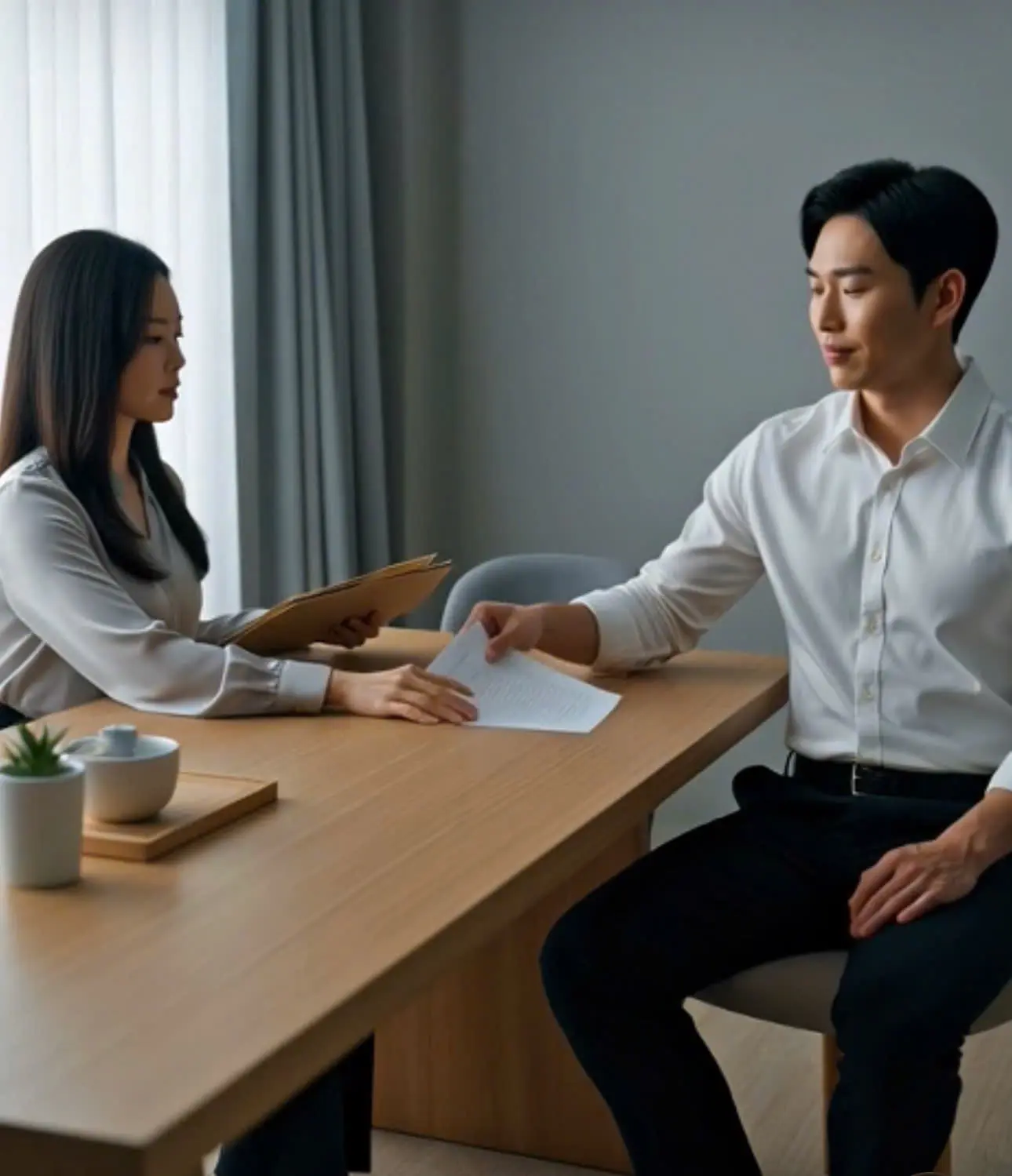
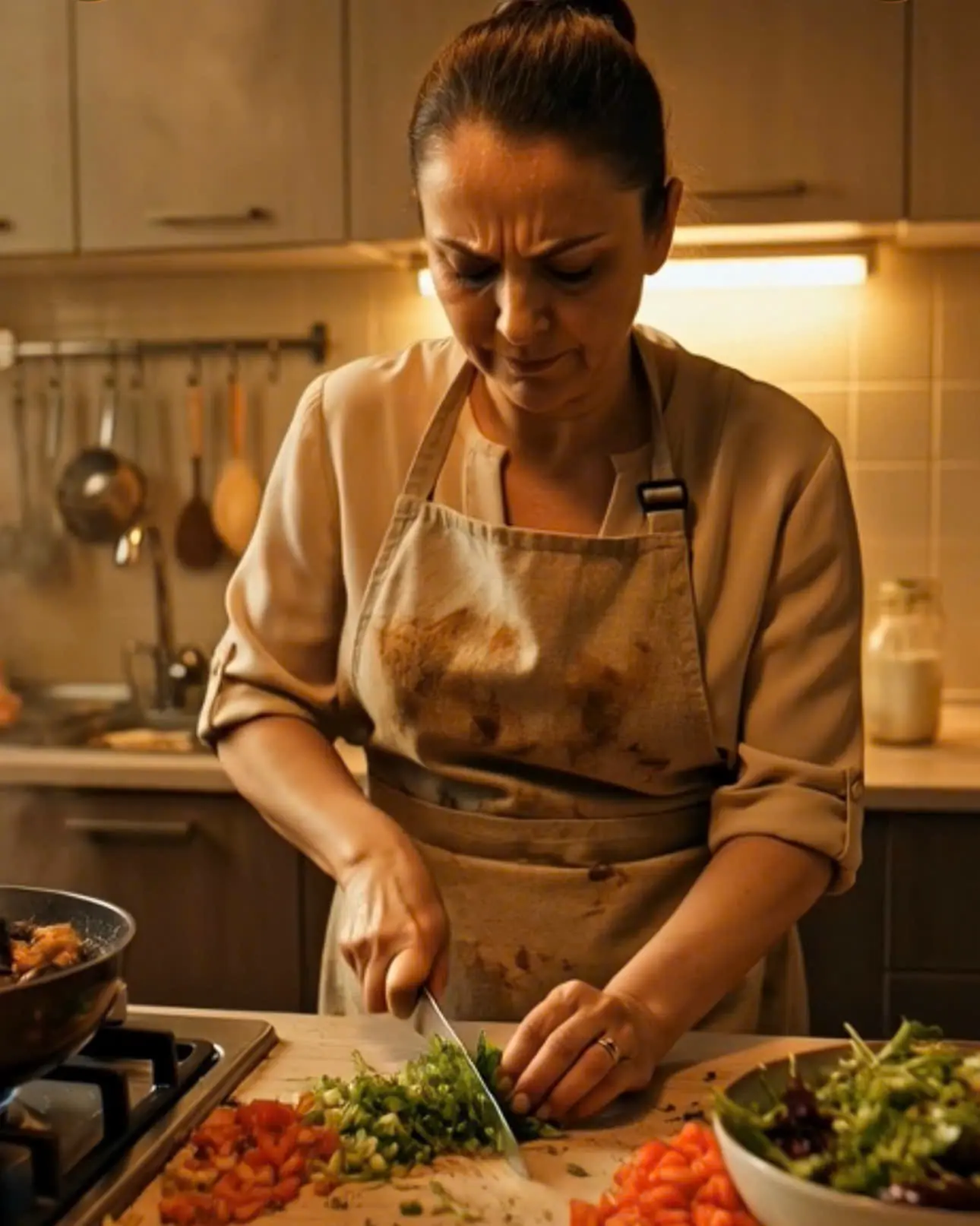
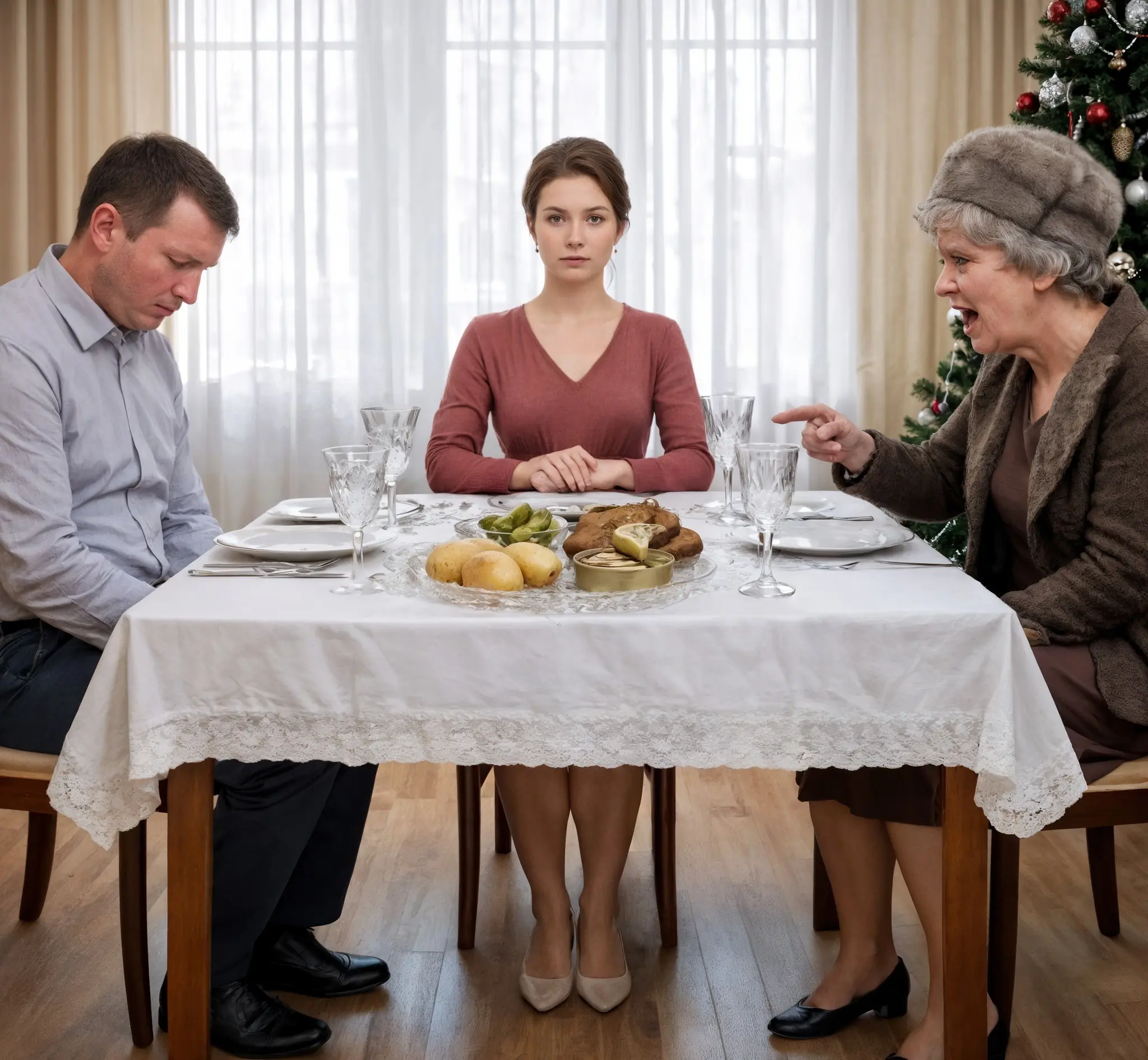
The next day she went to work. Gray folders. Phone calls. Dry “yes, yes, understood.” But in the evening—tickets. She scrolled travel sites as if she were leafing through someone else’s diary, a life she wanted like oxygen. The prices bit, but the fear of losing herself bit harder. And then—an envelope of money. Her small secret plot against this world. Every bill smelled like a refusal: no coffee, no dress, no evening with friends. Yet it tasted like freedom, too. When Gregory saw the open browser tabs, he twisted his mouth. “You’re serious? You’re going to blow everything on this stupidity?” She turned to him, and the softness she used to keep for him was gone. “Yes. Because if not now—then never.” That evening Lidiya Petrovna called. Anna heard every word through the wall. “Son, you did the right thing. No need for these women to chase nonsense. Your Cypruses can wait. The dacha—that’s real. That’s home. That’s life.” And Anna understood: there was his real wife. The one he shared loyalty, debts, and lifelong devotion with. And she—Anna—was just a neighbor, accidentally stamped into his passport. That night she pulled out her suitcase. Every movement felt like a blow to the glass display case of their marriage. Fabric whispering, zipper clicking, a dress folded neatly—each sound louder than any screaming. When Gregory walked in and saw her, his voice faltered. “You’re serious? You’re leaving alone?” “Yes.” She looked up, and for the first time there was no begging in her eyes, no complaint. “Because otherwise I’ll lose myself.” He sat beside her, tried to explain—his fear for his mother, for money, for everything. Anna only said quietly:Family “I’m already disappointed, Grisha. But I haven’t left yet.” The words hung between them like a blade. And in the morning, for the first time in years, he didn’t put on the usual mask of certainty. He came up behind her and hugged her, as if terrified that if he let go, she would disappear. “Forgive me. We’ll go. To Cyprus.” She turned and looked into his eyes for a long time. “Are you saying that because you’re afraid of losing me? Or because you’re choosing me?” He lowered his gaze, exhaled. “Both.”And suddenly it became frightening—because for the first time his voice carried not stubbornness, but an admission of weakness. For Anna, it was the beginning of the end of their old life. “You’ve lost your mind!” Lidiya Petrovna’s voice rang through the phone so sharply Anna could hear it even from the next room. “Grishenka, what do you mean ‘to Cyprus’? Are you out of your senses?”

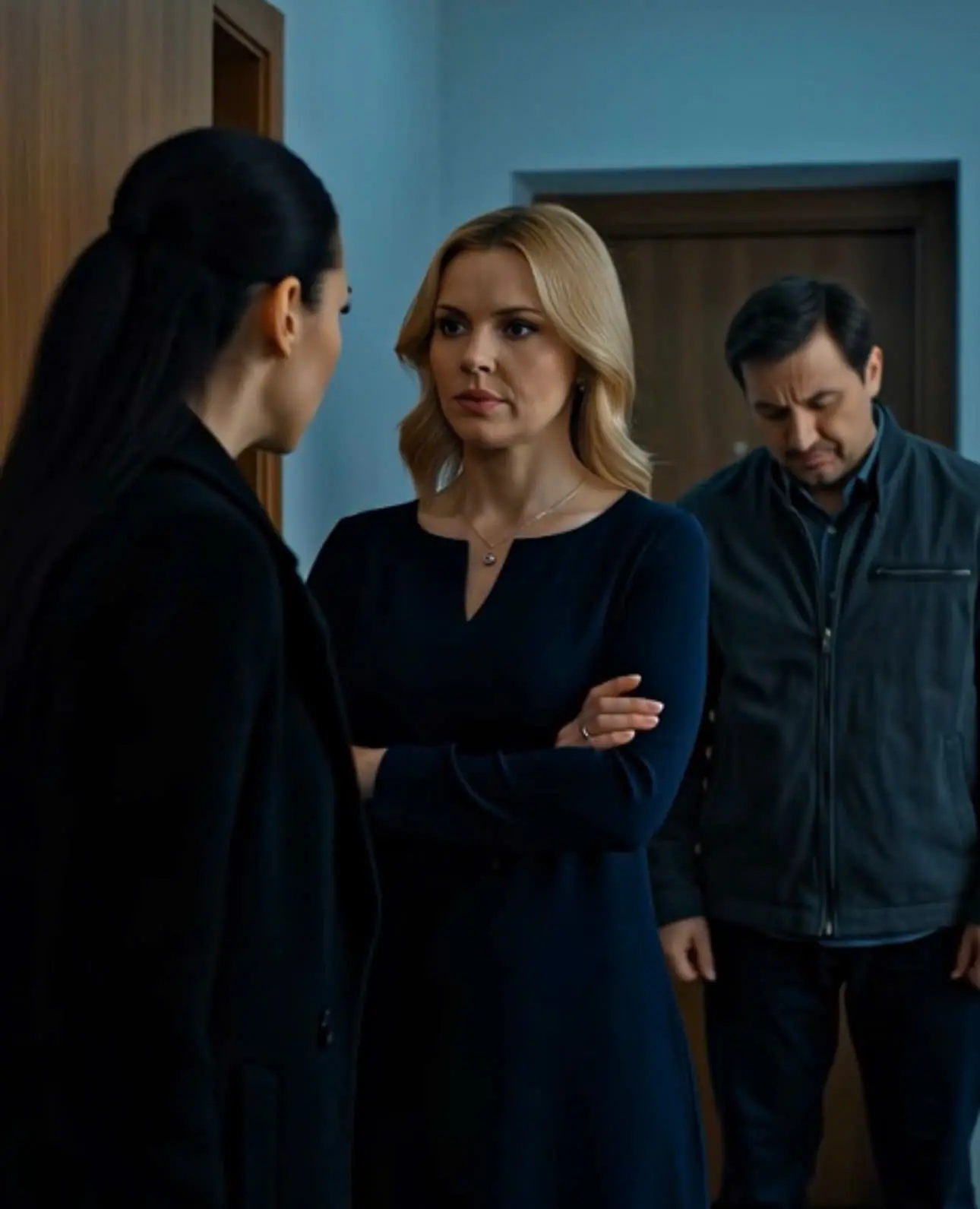
Anna stood at the window, gripping a glass of water so hard her fingers went white. She knew this was where everything would be decided. Not the vacation. Not the tickets. What was being decided was who ruled this house—two of them, or one third woman who had been living inside their marriage for years, though she never belonged there. Gregory sat on the edge of the sofa, staring into his phone. Listening to his mother, nodding though she couldn’t see him. Sometimes he threw in a weak, almost childish, “Mom, wait,” and suddenly Anna didn’t see a man—she saw a boy. A grown boy who had never truly grown up. “Mom, I said we’re going,” he muttered dully and ended the call. Anna turned. “And you think she’ll swallow that?” He shrugged—guilty, helpless. They flew anyway. The plane, the noise, the sun—it all felt like a dream. Anna sat by the window and caught a strange sensation inside herself: as if she’d escaped. From everything—work, Lidiya Petrovna, even her old self. Gregory beside her felt like a stranger: tense, silent, as though waiting for trial. Their first night on the island passed in near silence. Dinner in a café—white wine, fish, olives. Anna savored each bite as if she were eating not food but freedom. He pushed at his plate with a fork, staring at the sea with suspicion, as if it might steal everything from him. “Are you happy?” she asked suddenly. He flinched as though the question struck him. “I… don’t know.” Days went by, and for the first time in many years Anna felt she could live differently. She woke early, walked to the water, swam until her muscles burned, then lay on the sand. Sometimes she laughed at nothing, like a teenager. Sometimes she cried—only the tears were light, cleansing. Gregory, meanwhile, ached with homesickness. His fingers kept reaching for his phone. He sat on the balcony for hours, texting his mother, checking the weather at the dacha, asking neighbors whether the roof had leaked. And Anna understood: his body was here, but his soul was still there—with Lidiya Petrovna. On the fourth day, something happened—a crack that later would become a fault line. They were sitting in a small seaside bar. Voices buzzed around them, the air smelled of grilled fish and spices. A man pulled up a chair—tall, sun-browned, about forty-five, in a linen shirt. He spoke Russian with an accent. “Sorry to bother you,” he smiled. “I’ve lived here a long time, in Limassol. I saw you and thought—are you ours?” Anna smiled back. Gregory frowned. “We are. And who are you?” he asked dryly. “Oleg,” the man said. “Used to live in St. Petersburg. Then I dropped everything and moved here. Now I’ve got my own business—vineyards, a small hotel. You know… sometimes you have to risk it to survive.”
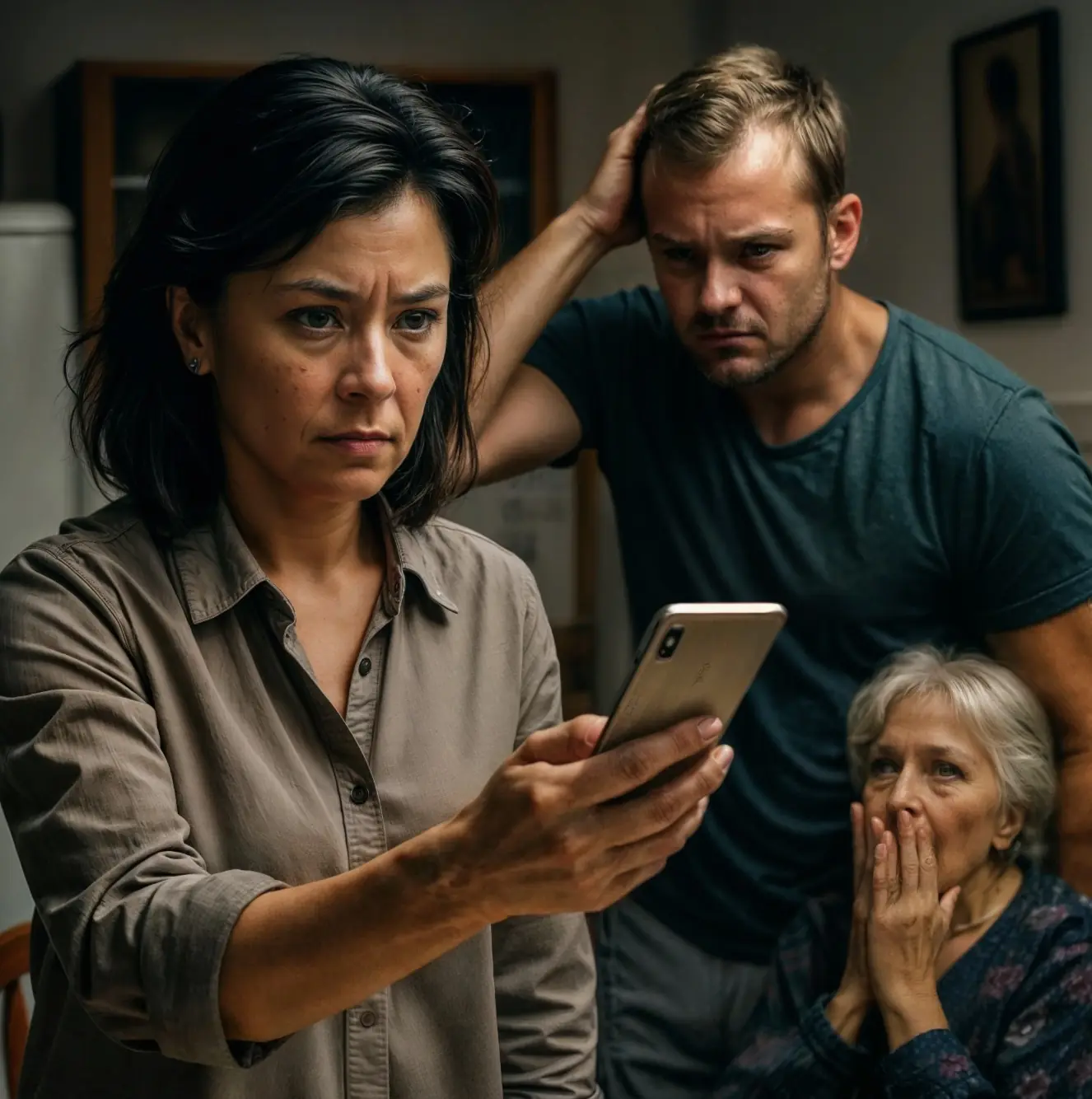
Anna listened, spellbound. Oleg talked about freedom as if it weren’t a pretty word, but the air he breathed. “I think about risking it too, sometimes,” she heard herself say. Gregory set his glass down hard. “Anna, enough. We came here to отдыхать—to rest—not to listen to fairy tales.” Oleg looked at her, not flirtatious, not playful—only understanding. “You know,” he said quietly, “sometimes a stranger hears you better than the person beside you for years.” And he left. That evening Anna and Gregory fought. “You were doing that on purpose—listening to him!” he snapped. “Like my explanations aren’t enough for you.” “And what have you explained to me?” she shot back, cold. “That I’m supposed to spend my whole life at the dacha, digging up beds?” “Don’t exaggerate!” “I’m not exaggerating. I just want to live.” He got angry, but couldn’t find the words. On the fifth day Gregory went into town “for errands”—said he needed to buy some medicine. Anna stayed behind. She sat on the beach for a long time, watching children build sand castles, and then she saw Oleg. He waved, walked over. “Won’t you be scared?” he asked. “I’ve got a vineyard up in the mountains. Come with me. It’s quiet there—air, space, real life.” She laughed. “I’m married.” “Being married and being happy aren’t the same thing,” he replied. And there was something dangerous in that sentence. They went. The car climbed a winding road, wind tangled her hair, and Anna felt—this is wrong, and yet it’s the most right thing I’ve done in years. The vineyard was silent and green, like a world outside time. No Gregory. No Lidiya Petrovna. No office. Only Anna. Oleg showed her an old house, poured wine, told stories. And at some point she understood: if she stayed, if she dared—her life would change. But was she ready? When she returned that evening, Gregory was on the balcony with his phone. His face looked gray. “Where were you?” he asked. “At a vineyard.” He went silent. Then he said, very softly: “Mom fell. The neighbor called.” And that moment hit like a blow. Because everything they’d said and done over these days suddenly felt hollow: his mother was back at the center again.Family Relationship Counseling Anna realized the choice would be harsher than she’d imagined. Not simply “Cyprus or the dacha.” But “him and his mother” or “her and her freedom.” And for the first time in her life she wanted everything to collapse down to the foundations. “She fell, do you understand?” Gregory paced the room like a caged animal. His phone kept ringing—his mother’s neighbor calling every twenty minutes. “And you want me to sit here and stare at the sea while Mom’s lying on the floor?” Anna sat on the bed, staring at one point. Inside, everything felt dry—as if someone had taken her ability to feel away.
“She isn’t alone. Neighbors are helping, a doctor was called,” she said. “We’re here. We can’t teleport.” “If I don’t go, it’ll be betrayal!” he shouted. Betrayal again. As if that had become the main word in their marriage. He had betrayed her for years—with silence, with inaction, with his constant worship of his mother. And now he was accusing Anna. Anna rose slowly and took her suitcase. “I’ll leave. But not for Moscow, Grisha. I’m not going back.” He froze. “What?” “I’m staying. Here.” The words sounded worse than a slap. His face went white; his hands trembled. He couldn’t understand it—this was real. Not another attempt to manipulate him. This was the end. “You’ve gone crazy,” he whispered. “Leave your husband, your mother, your job—everything? For what?” “For me,” Anna said quietly. That evening he left for the airport. She stood at the hotel gate and watched the taxi carry him away. Her chest felt empty—but light. A day later Oleg showed up. He didn’t ask questions. He simply took her back to the vineyard. There, among the green rows, where the air smelled of soil and freedom, Anna felt for the first time in years that she could breathe. Back in Moscow, Lidiya Petrovna lay in bed, wailing that “the daughter-in-law abandoned her son for some resort man.” Gregory sat beside her, and for the first time he understood that all his calculations—his “reason”—had turned into nothing. He stayed with his mother, but lost the woman who wanted to be by his side. Life moved on. But the night Anna’s suitcase zipper clicked shut became the point where the tree of their marriage snapped. The trunk split, branches fell away. Something else began to grow. For Anna—a new life. For Gregory—the old one, only empty. And each of them chose their own ending.
The end.

News in the same category

News Post