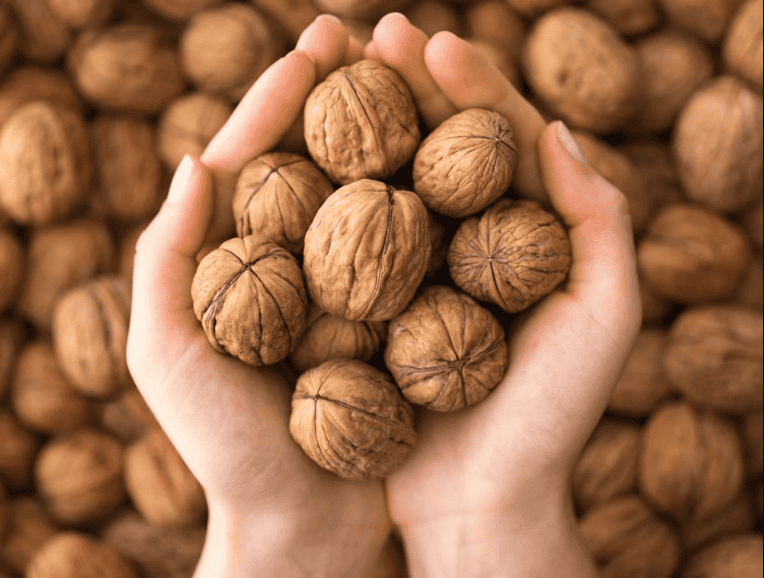
Walnuts may look like an ordinary snack, but these small, wrinkled nuts contain an impressive combination of healthy fats, plant compounds, protein, fiber, vitamins, and minerals.
Unlike many snack foods, walnuts provide a substantial amount of polyunsaturated fat, including the plant-based omega-3 fatty acid alpha-linolenic acid (ALA). They also contain antioxidants and other bioactive compounds that have attracted considerable interest from nutrition researchers.
Eating walnuts does not guarantee protection from disease, and they should never be considered a replacement for medical treatment. But adding a reasonable portion of walnuts to an otherwise balanced diet may offer several meaningful health advantages.
So, what happens when walnuts become a regular part of your diet?
1. Walnuts May Support Heart Health
One of the best-studied reasons to include walnuts in your diet is their potential benefit for cardiovascular health.
Walnuts are rich in unsaturated fats, particularly polyunsaturated fats. Replacing foods high in saturated fat with foods containing unsaturated fats can contribute to healthier blood cholesterol levels.
Walnuts also contain ALA, the plant form of omega-3 fatty acid.
Research on walnut consumption has found improvements in certain cardiovascular risk factors, including blood lipid profiles, although the size of the benefit varies between studies and individuals.
The broader dietary pattern matters too.
Adding walnuts to a diet already high in vegetables, fruits, whole grains, legumes, and other minimally processed foods is likely to be more beneficial than simply adding a handful of nuts to an otherwise unhealthy diet.
2. They Provide Plant-Based Omega-3 Fatty Acids
When people hear “omega-3,” they often think about fatty fish.
Walnuts are different because they provide ALA, a plant-based omega-3 fatty acid.
ALA is an essential fatty acid, meaning the body cannot produce enough of it on its own and therefore needs to obtain it through food.
Your body can convert some ALA into EPA and DHA, the omega-3 fatty acids found in fish and seafood. However, this conversion is limited.
That means walnuts are a valuable source of ALA, but they are not nutritionally identical to fatty fish.
For people who eat little or no seafood, walnuts can still be a useful part of a diet containing other plant sources of healthy fats.
3. Walnuts May Be Good for Brain Health
The brain is highly dependent on healthy fats and a steady supply of nutrients.
Walnuts contain ALA, polyphenols, vitamin E, and other compounds that have been investigated for their potential relationship with brain health.
Some observational research has associated nut consumption with aspects of cognitive health, while laboratory studies suggest that walnut compounds may have antioxidant and anti-inflammatory properties.
However, this does not mean walnuts can prevent dementia or reverse cognitive decline.
Human research is still developing, and many factors influence brain health, including:
-
Blood pressure
-
Physical activity
-
Sleep
-
Diabetes
-
Social engagement
-
Overall diet
-
Smoking
-
Alcohol consumption
Rather than thinking of walnuts as a “brain-boosting cure,” it's more accurate to consider them one nutritious food that can fit into an overall brain-healthy dietary pattern.
4. They Are Packed With Antioxidant Compounds
Walnuts contain several plant compounds with antioxidant activity.
Their thin outer skin, which can sometimes taste slightly bitter, contains many of these compounds.
Antioxidants help the body manage oxidative stress, a normal biological process that can become problematic when reactive molecules overwhelm the body's protective systems.
Walnuts contain compounds such as:
-
Polyphenols
-
Vitamin E compounds
-
Melatonin
-
Plant-based omega-3 fats
These compounds are part of the reason walnuts continue to attract interest in nutritional research.
But be careful with the word “antioxidant.”
Eating walnuts does not mean they will simply “remove toxins” from your body. Your liver, kidneys, lungs, and other systems already perform the body's essential detoxification processes.
The real advantage is that walnuts provide naturally occurring compounds within a nutrient-dense food.
5. Walnuts Can Support a Healthy Diet for Weight Management
At first, eating nuts may seem like a strange recommendation for people trying to manage their weight.
After all, walnuts are relatively high in calories.
But calories are not the only consideration.
Walnuts contain a combination of fat, protein, and fiber, which can make them satisfying. Eating a small portion may help people feel full and potentially reduce the desire to snack on less nutritious foods.
Some research has found that regular nut consumption is not necessarily associated with weight gain and may fit comfortably into weight-management diets.
The key is portion size.
A large bowl of walnuts can contain far more calories than intended.
A practical serving is roughly one small handful, depending on your overall calorie and nutritional needs.
6. They Provide Fiber for Digestive Health
Walnuts aren't the highest-fiber food available, but they do contribute fiber to the diet.
Fiber helps support normal bowel function and can contribute to a healthy gut environment.
Walnuts also contain a variety of plant compounds that researchers are studying for their potential interactions with the gut microbiome.
The gut microbiome is the enormous community of microorganisms living throughout the digestive tract.
Early research suggests that walnuts may influence the composition or activity of certain gut bacteria, although the exact health consequences are still being investigated.
For the greatest digestive benefit, combine walnuts with other fiber-rich foods such as:
-
Beans
-
Lentils
-
Oats
-
Vegetables
-
Fruits
-
Whole grains
-
Seeds
One food alone cannot create a healthy microbiome.
Dietary variety is much more important.

7. Walnuts May Help Support Healthy Blood Sugar Control
Walnuts contain relatively little carbohydrate compared with many common snack foods.
Their combination of healthy fats, protein, and fiber can also make them a useful component of meals for people trying to build a balanced eating pattern.
Some studies have found associations between nut consumption and improved measures of metabolic health.
However, walnuts are not a treatment for diabetes.
If you have diabetes, adding walnuts to a meal may be reasonable, but it should be considered alongside your overall carbohydrate intake, medications, physical activity, and blood glucose management plan.
And remember that walnut-containing foods aren't always healthy.
Walnut cookies, cakes, sugary nut spreads, and candied walnuts can contain significant amounts of added sugar and calories.
The health properties of the whole nut don't automatically apply to every food containing walnuts.
8. They Contain Important Minerals
Walnuts provide several micronutrients, including:
-
Magnesium
-
Copper
-
Manganese
-
Phosphorus
-
Small amounts of iron and zinc
These minerals participate in numerous processes throughout the body.
Magnesium, for example, contributes to normal muscle and nerve function and is involved in hundreds of biochemical reactions.
Copper plays roles in connective tissue, iron metabolism, and normal nervous system function.
Manganese contributes to metabolism and antioxidant defense.
Walnuts aren't a replacement for a varied diet, but they can contribute useful micronutrients as part of one.
9. They May Support a Healthy Inflammatory Balance
Chronic inflammation is involved in many long-term health conditions.
Walnuts contain unsaturated fats and polyphenolic compounds that have been studied for their potential effects on inflammatory pathways.
Some clinical studies have reported favorable changes in inflammatory markers following dietary interventions involving walnuts, while others have found less dramatic effects.
The evidence is therefore promising but not definitive.
It's more useful to think of walnuts as one component of an anti-inflammatory dietary pattern that also includes plenty of vegetables, fruits, whole grains, legumes, fish or other healthy protein sources, and minimally processed foods.
10. Walnuts May Benefit Blood Vessel Function
Healthy blood vessels are essential for cardiovascular health.
Some research has examined whether walnut consumption can improve endothelial function, which refers to how well the inner lining of blood vessels works.
Because walnuts contain unsaturated fats, polyphenols, and ALA, researchers have proposed several mechanisms through which they might influence vascular health.
Again, one food should not be expected to transform cardiovascular health by itself.
Blood pressure, cholesterol, smoking, exercise, body weight, sleep, diabetes, and genetics all play important roles.
Walnuts can be one useful piece of that much larger picture.
How Many Walnuts Should You Eat?
There is no universal amount that every person needs.
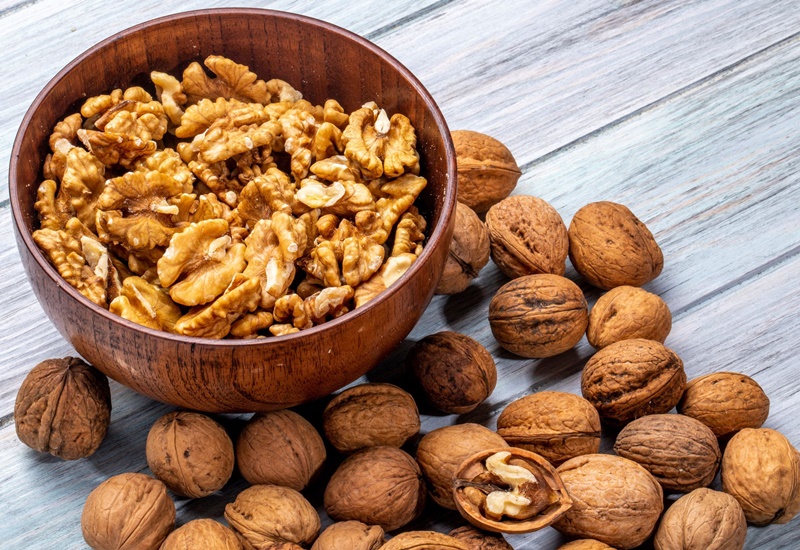
Many dietary studies use servings around 1 ounce (28 grams) of nuts, which is approximately a small handful. For walnuts, that is roughly 7 whole shelled walnuts, although size varies.
You don't necessarily need to eat them every day to benefit from their nutrients.
The important thing is to keep portions reasonable and use them in place of less nutritious foods rather than simply adding large amounts of extra calories to your diet.
What's the Best Way to Eat Walnuts?
The simplest option is often the best.
Choose plain, unsalted walnuts when possible.
You can add them to:
Oatmeal
Sprinkle chopped walnuts over oats with fruit and yogurt.
Salads
Walnuts add crunch and healthy fats to leafy-green salads.
Yogurt
Combine plain yogurt, berries, and chopped walnuts for a simple snack.
Whole-Grain Foods
Add walnuts to whole-grain cereal or homemade bread.
Vegetables
Roasted vegetables can pair surprisingly well with toasted walnuts.
As a Snack
A small handful can be an easy alternative to highly processed snack foods.
Raw or Roasted: Which Is Better?
Both can fit into a healthy diet.
Raw walnuts retain their natural composition without additional cooking oils or coatings.
Roasting changes the flavor and texture and can make them more enjoyable for some people.
The main issue is what gets added during processing.
Be cautious with walnuts that are heavily salted, sugar-coated, caramelized, or covered with other high-calorie ingredients.
A plain roasted walnut and a sugar-coated walnut dessert may technically contain the same nut, but they are very different foods from a nutritional perspective.
What About Soaking Walnuts Overnight?
Soaked walnuts have become popular on social media, with claims that soaking makes them dramatically healthier or easier to digest.
There is some evidence that soaking can change the texture and remove some water-soluble compounds, but there is not strong evidence that soaking walnuts provides a major health advantage for most people.
If you enjoy soaked walnuts, there's nothing wrong with the practice as long as they are stored safely.
But you don't need to soak them to obtain their nutritional benefits.
Who Should Be Careful With Walnuts?
Walnuts are nutritious, but they're not appropriate for everyone.
People With Nut Allergies
Anyone with a known tree-nut allergy should avoid walnuts and follow their healthcare provider's allergy-management plan.
Nut allergies can cause serious reactions.
People Watching Calories
Walnuts are nutrient-dense but also calorie-dense. Large portions can add substantial calories.
People With Digestive Sensitivity
Some people may experience bloating or digestive discomfort after eating larger amounts of nuts, particularly if their diet is otherwise low in fiber.
Starting with a small portion can be more comfortable.
Choking Risk
Whole nuts can pose a choking hazard for young children. Appropriate preparation and supervision are important.
Walnuts Are Not a Miracle Food
It's easy for nutrition headlines to turn a healthy food into a supposed cure-all.
Walnuts should not be described as a treatment for heart disease, diabetes, dementia, osteoporosis, or any other medical condition.
Their real strength is much more practical.
They provide a combination of healthy fats, ALA, fiber, minerals, protein, and plant compounds in a convenient whole-food package.
That's valuable—but it is not magic.
The best results come when walnuts replace less nutritious foods and become part of an overall healthy dietary pattern.
The Bottom Line
Walnuts are far more than a crunchy snack.
Their combination of plant-based omega-3 ALA, unsaturated fats, fiber, minerals, protein, and antioxidant plant compounds makes them one of the more nutrient-dense nuts you can include in your diet.
Regular consumption may support cardiovascular health, contribute to a healthy dietary pattern, provide beneficial fats, and potentially support metabolic and digestive health.
But the key is moderation.
Choose plain or lightly roasted walnuts, keep portions reasonable, and pair them with other nutritious foods rather than treating them as a standalone health solution.
A small handful of walnuts won't transform your health overnight.
But replacing a highly processed snack with a handful of nutrient-rich walnuts is a simple dietary change that can add up over time.
Sometimes, the most powerful nutrition choices aren't complicated—they're the small, consistent ones you can actually maintain.