Guava is one of those fruits that can easily be overlooked at the grocery store. It may not have the same popularity as apples, bananas, or oranges, but nutritionally, guava has a lot going for it.
With its fragrant aroma, slightly sweet flavor, edible seeds, and crisp or soft flesh depending on ripeness, guava can be eaten fresh, blended into smoothies, added to salads, or used in a variety of dishes.
What makes it particularly interesting is its combination of vitamin C, dietary fiber, potassium, folate, and antioxidant plant compounds.
But while guava can be a nutritious addition to most diets, it isn't a miracle food, and eating large amounts isn't necessarily better. People with certain digestive conditions, allergies, or specific dietary needs may also need to pay attention to how much they consume.
So what can eating guava actually do for your body?
1. Guava Is Exceptionally Rich in Vitamin C
One of guava's biggest nutritional advantages is its high vitamin C content.
Vitamin C is an essential nutrient involved in several important functions, including:
-
Supporting normal immune function
-
Helping produce collagen
-
Supporting wound healing
-
Improving absorption of iron from plant foods
-
Protecting cells from oxidative stress
Depending on the variety and serving size, guava can provide a substantial amount of vitamin C—sometimes considerably more than people expect from a single fruit.
This makes guava an especially useful option for people who want to increase their intake of vitamin-C-rich foods without relying exclusively on citrus fruits.
However, eating guava doesn't mean you can prevent every cold or infection.
Vitamin C supports normal immune function, but it isn't a substitute for adequate sleep, vaccination, balanced nutrition, or appropriate medical treatment.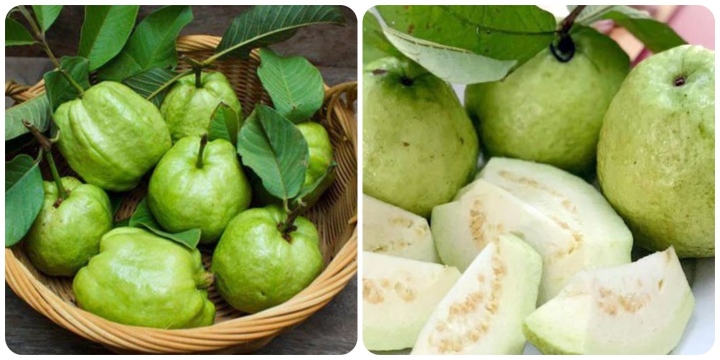
2. It Can Be a Good Source of Dietary Fiber
Guava contains both soluble and insoluble forms of dietary fiber.
Fiber is important for digestive health and can help support regular bowel movements.
A fiber-rich diet may also help with:
-
Feeling full after meals
-
Maintaining healthy cholesterol levels
-
Supporting blood sugar management
-
Feeding beneficial gut microorganisms
One reason guava can be particularly satisfying is that you don't have to remove its edible skin to eat it.
The skin and flesh together provide a combination of nutrients and fiber.
If you're not accustomed to eating much fiber, however, suddenly eating large amounts of guava may cause bloating or abdominal discomfort.
Increasing fiber gradually and drinking enough fluids can make the transition easier.
3. Guava May Support Heart Health
Guava contains several nutrients and plant compounds associated with cardiovascular health.
Its potassium content can contribute to normal blood pressure regulation, while its fiber and antioxidant compounds can complement an overall heart-healthy eating pattern.
Some research has also investigated guava and guava leaf preparations for potential effects on blood pressure and cholesterol.
But it's important to distinguish between eating the fruit and taking concentrated extracts.
A serving of fresh guava is simply one nutritious component of a diet.
It shouldn't be considered a treatment for high blood pressure or high cholesterol.
If you have cardiovascular disease or take blood-pressure medication, don't replace prescribed treatment with fruit or herbal remedies.
4. It Contains Antioxidant Compounds
Guava contains several antioxidant compounds, including vitamin C and carotenoids.
Antioxidants help the body deal with oxidative stress generated through normal metabolism and environmental exposures.
The pink or red varieties of guava may contain particularly notable amounts of carotenoid pigments such as lycopene.
These compounds are being studied for their potential role in maintaining long-term health.
However, be cautious with claims that guava can "detox" the body or remove toxins from the bloodstream.
Your liver, kidneys, lungs, and digestive system already perform complex processes that help eliminate waste.
Guava supports a nutritious diet—it doesn't replace those organs.
5. Guava May Help Support Healthy Blood Sugar Levels
Guava is naturally sweet, but it also contains fiber.
The combination of carbohydrates and fiber can make whole guava a very different nutritional choice from highly processed sugary foods or sweetened beverages.
Some studies have investigated guava and guava leaf products for potential effects on blood glucose.
However, research on guava itself is not strong enough to conclude that eating the fruit treats diabetes.
For someone managing blood sugar, portion size and the overall meal still matter.
Whole guava is generally a more sensible choice than guava juice with added sugar.
6. It May Help You Feel Full
Because guava contains fiber and water, it can be relatively filling for its calorie content.
That makes it useful as part of a balanced snack.
Instead of reaching for highly processed snacks that contain a lot of added sugar and little fiber, you could pair guava with:
-
Plain Greek yogurt
-
Nuts
-
Seeds
-
Cottage cheese
-
A small amount of nut butter
Combining fruit with protein or healthy fats can make a snack more satisfying.
But guava itself doesn't "burn fat."
Weight management depends on overall energy intake, physical activity, sleep, genetics, and numerous other factors.
7. Guava Provides Folate and Other Micronutrients
Guava also provides folate, a B vitamin involved in DNA synthesis and normal cell division.
Folate is particularly important during pregnancy because adequate intake supports fetal development.
Guava also contains smaller amounts of other nutrients, including vitamin A-related carotenoids, potassium, and several B vitamins.
No single fruit provides everything the body needs, which is why dietary variety remains important.
8. The Seeds Are Usually Edible
Many people wonder whether they should remove guava seeds.
For most people, the small seeds are edible.
They can add texture and contribute to the fruit's overall fiber content.
Some people find them hard or unpleasant to chew, while others eat the entire fruit.
There is generally no need to remove the seeds simply because they are present.
However, if you have difficulty chewing or swallowing seeds, you can choose a softer variety or remove them during preparation.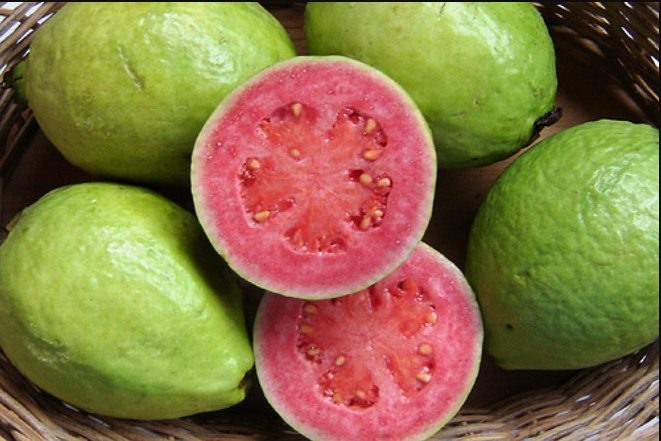
9. The Skin Contains Nutrients Too
Guava skin is also edible when the fruit has been properly washed.
Removing the skin isn't necessarily harmful, but doing so may reduce some of the fiber and plant compounds you consume.
If you're eating fresh guava, wash it thoroughly under running water before cutting into it.
You don't need special produce soap.
If the fruit is damaged, moldy, or spoiled, discard it rather than simply cutting away a small section.
10. Guava May Support Healthy Digestion
The fiber in guava can help promote regular bowel movements.
This is especially useful for people whose diets are low in fruits, vegetables, and whole grains.
But there's a catch.
More fiber isn't always better for everyone.
People with sensitive digestive systems may experience:
-
Gas
-
Bloating
-
Abdominal discomfort
-
Changes in stool frequency
If guava consistently causes symptoms, reduce your portion and see whether the problem improves.
People with certain gastrointestinal conditions may also need individualized dietary advice.
11. Guava May Be Helpful for Iron Absorption
Here's an interesting benefit that doesn't receive as much attention.
Vitamin C can improve the body's absorption of non-heme iron, the form of iron found primarily in plant foods.
That means eating guava alongside foods such as:
-
Beans
-
Lentils
-
Chickpeas
-
Spinach
-
Other leafy greens
-
Fortified grains
may help your body absorb more of the iron present in those foods.
This can be particularly useful for people who obtain much of their dietary iron from plant sources.
However, guava isn't a treatment for iron-deficiency anemia.
If you have confirmed anemia, work with a healthcare professional to determine the cause and appropriate treatment.
12. It Can Be a Smart Alternative to Sugary Desserts
One of the simplest benefits of guava is that it can satisfy a desire for something sweet while providing fiber and micronutrients.
Instead of reaching for cookies, candy, or heavily sweetened desserts, fresh guava can be a nutrient-dense option.
This doesn't mean desserts are forbidden.
It simply means that fruit can make it easier to build an overall diet where most of your food provides meaningful nutritional value.
Can Everyone Eat Guava?
For most healthy people, guava is perfectly safe.
But individual reactions can vary.
Some people may have a fruit allergy or experience digestive symptoms after eating certain fruits.
Possible allergic symptoms include:
-
Itching
-
Hives
-
Swelling
-
Tingling or irritation in the mouth
-
Vomiting
-
Wheezing
-
Difficulty breathing
If you experience swelling of the lips, tongue, or throat or have difficulty breathing after eating guava, seek emergency medical attention.
What About People With Diabetes?
People with diabetes don't necessarily need to avoid guava.
Whole fruit contains naturally occurring sugar, but it also provides fiber and nutrients.
The important factors are portion size, total carbohydrate intake, and the rest of the meal.
Whole guava is generally preferable to sweetened guava juice because juice can contain less fiber and can be consumed much more quickly.
If you monitor blood glucose, pay attention to how your own body responds.
What About People With Kidney Disease?
This is an area where individual advice matters.
Guava contains potassium.
For healthy people, potassium is an essential mineral and an important part of a balanced diet.
But people with certain forms of chronic kidney disease may need to limit potassium depending on kidney function and blood potassium levels.
If you've been told to follow a low-potassium diet, don't assume that a fruit is automatically safe because it's "natural."
Ask your healthcare professional or renal dietitian about appropriate portions.
What About Eating Guava at Night?
There's no strong evidence that guava becomes more beneficial or harmful simply because you eat it at night.
Some viral health claims suggest that fruit should never be eaten after a particular hour.
That's not how human metabolism works.
For most people, the timing of guava is much less important than the overall quality and quantity of their diet.
However, if eating a large amount of fruit close to bedtime causes bloating or digestive discomfort, simply move it earlier in the day.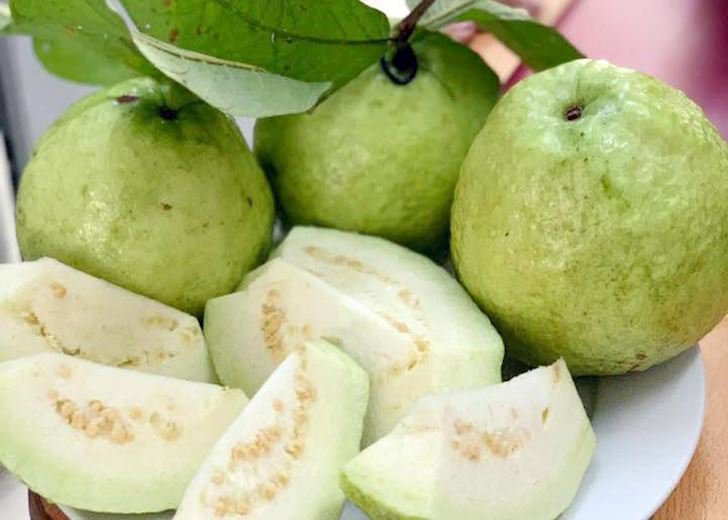
Fresh Guava vs. Guava Juice
This distinction is important.
Fresh Guava
Fresh whole guava provides:
-
Fiber
-
Vitamin C
-
Plant compounds
-
Water
-
Natural carbohydrates
Guava Juice
Juice can contain many of the fruit's nutrients, but depending on how it is made, it may contain substantially less fiber.
Some commercial guava beverages also contain added sugar.
If you're looking for the nutritional benefits of guava, whole fruit is generally the better default.
What About Guava Leaf Tea?
Guava leaves are used traditionally in some cultures to make tea.
Research has investigated guava leaf extracts for possible effects on blood glucose, diarrhea, and other conditions.
But research on concentrated extracts and traditional preparations shouldn't automatically be applied to ordinary fresh guava.
If you're taking medications—especially medication for diabetes or blood pressure—be cautious about using concentrated herbal products without professional advice.
"Natural" doesn't automatically mean risk-free.
How Much Guava Should You Eat?
There is no universal requirement to eat a specific number of guavas every day.
A practical approach is to treat guava like other fruits and include it as part of a varied diet.
One serving can be enjoyed:
-
As a snack
-
With breakfast
-
In a fruit salad
-
Blended into a smoothie
-
With plain yogurt
-
Alongside nuts or seeds
If you're increasing your fiber intake, start with a moderate portion and adjust according to how your digestive system responds.
How to Choose a Good Guava
When buying fresh guava, look for fruit that is:
-
Firm but not rock-hard
-
Free of significant bruising
-
Free of mold
-
Fragrant when ripe
-
Appropriate in color for its variety
Some guavas remain relatively firm even when ripe, while others soften considerably.
A pleasant aroma can be a useful sign of ripeness.
Once ripe, store guava appropriately and consume it before it becomes overripe or spoiled.
A Simple Way to Add More Guava to Your Diet
You don't need complicated recipes.
Try slicing fresh guava and pairing it with plain yogurt and nuts.
Or chop it into a fruit salad with other colorful fruits.
You can also blend guava into a smoothie with unsweetened yogurt and other fruits.
If you prefer savory flavors, guava can work surprisingly well with salads and certain spicy or tangy ingredients.
The goal isn't to create a "guava detox."
It's simply to make nutritious food enjoyable enough that you want to eat it regularly.
The Biggest Misconception About Guava
Perhaps the biggest mistake is treating guava as a miracle food.
You'll find online claims that guava can:
-
Cure diabetes
-
Cleanse the kidneys
-
Prevent cancer
-
Melt belly fat
-
Eliminate toxins
-
Replace medication
These claims go far beyond the available evidence.
Guava is nutritious.
That's already enough.
You don't need to turn it into a miracle cure to appreciate its benefits.
The Bottom Line
Guava is a remarkably nutrient-dense fruit that can contribute vitamin C, fiber, potassium, folate, carotenoids, and other beneficial plant compounds to your diet.
Eating it regularly may support normal immune function, digestive health, heart health, and overall nutritional quality.
Its high vitamin C content and combination of fiber and antioxidants make it particularly appealing as part of a varied diet.
But guava isn't a cure-all.
People with kidney disease, certain digestive conditions, food allergies, or specific dietary restrictions may need to adjust their intake.
And whole guava is generally a better choice than heavily sweetened guava drinks.
Ultimately, the most useful way to think about guava is simple:
It's not a miracle fruit—but it is a genuinely nutritious one.
Add it to a varied diet, enjoy the flesh and skin when appropriate, eat the seeds if you like them, and focus on your overall eating pattern rather than expecting one fruit to transform your health overnight.