When people hear the words lung cancer, smoking is often the first thing that comes to mind. Cigarette smoking is indeed the leading risk factor for lung cancer, and most lung cancer deaths are linked to tobacco use.
But there is another side to the story that deserves attention: people who have never smoked can also develop lung cancer.
In fact, lung cancer in people who have never smoked is recognized as an important clinical problem. Researchers have identified several environmental, genetic, and biological factors that can contribute to the disease.
This does not mean that every nonsmoker is at high risk. For most people who have never smoked, the absolute risk remains relatively low. However, understanding the potential causes can help explain why lung cancer sometimes occurs even when a person has never touched a cigarette.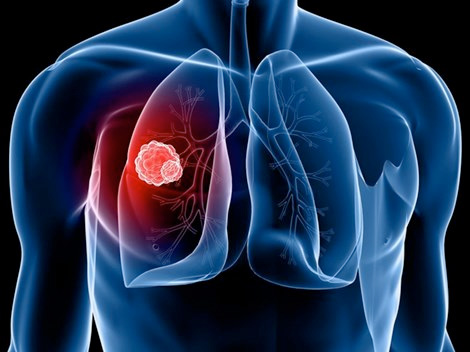
1. Secondhand Smoke Can Still Matter
You do not have to smoke yourself to be exposed to tobacco smoke.
Secondhand smoke is the smoke released from burning tobacco products as well as smoke exhaled by smokers. Long-term exposure can expose nonsmokers to many of the same carcinogenic substances found in tobacco smoke.
People who live with a smoker, have spent many years in smoky environments, or experienced substantial exposure during childhood may have accumulated exposure over time.
The risk associated with secondhand smoke is generally much lower than the risk associated with active smoking, but it is not zero.
This is one reason smoke-free homes, workplaces, restaurants, and public environments can have an important role in reducing exposure.
2. Radon: An Invisible Risk
One of the most important lung cancer risk factors for nonsmokers is radon.
Radon is a naturally occurring radioactive gas produced when uranium in soil and rock breaks down. It is invisible, odorless, and tasteless, which means you cannot determine whether a building has elevated radon simply by looking or smelling the air.
Radon can enter homes and other buildings through cracks and openings in foundations, floors, and walls.
Long-term exposure to high levels of radon can increase lung cancer risk.
This is particularly important because someone can spend most of their life in a nonsmoking environment and still have significant exposure to an environmental carcinogen.
Testing is the only reliable way to know whether radon levels are elevated in a building.
3. Air Pollution May Play a Role
The air we breathe contains more than oxygen and nitrogen.
Depending on where a person lives and works, air can contain fine particulate matter, nitrogen dioxide, industrial pollutants, vehicle emissions, and other substances that may affect respiratory health.
Long-term exposure to outdoor air pollution has been associated with an increased risk of lung cancer.
Fine particulate matter is particularly concerning because very small particles can penetrate deep into the lungs.
Air pollution does not mean that someone exposed to it will inevitably develop cancer. Cancer usually results from a complex interaction of genetic changes and environmental exposures over time.
Nevertheless, reducing exposure to polluted air when practical can contribute to better overall respiratory health.
4. Workplace Exposure Can Be Overlooked
Some people who have never smoked may encounter carcinogens through their jobs.
Certain occupations can involve exposure to substances associated with lung cancer, including:
-
Asbestos
-
Silica
-
Diesel exhaust
-
Certain metals
-
Some industrial chemicals
-
Certain dusts and fumes
Asbestos is a particularly well-known occupational carcinogen. Workers who handled asbestos-containing materials decades ago may develop asbestos-related diseases many years after their original exposure.
Construction, manufacturing, mining, transportation, shipbuilding, and other industries have historically involved exposure to various respiratory hazards.
Modern workplace regulations have reduced exposure in many settings, but occupational risks can still exist.
Appropriate ventilation, protective equipment, exposure controls, and workplace safety procedures are important tools for reducing risk.
5. Genetics Can Influence Risk
Not every lung cancer develops because of an obvious environmental exposure.
Cancer begins when cells accumulate genetic changes that allow them to grow and divide abnormally. Some of these changes develop during a person's lifetime, while others may be influenced by inherited characteristics.
Researchers have also discovered specific driver mutations in some lung cancers, particularly certain lung adenocarcinomas.
Alterations involving genes such as EGFR, ALK, ROS1, and others can help drive tumor growth. These mutations are not necessarily caused by smoking.
This is one reason lung cancer in never-smokers can look biologically different from some smoking-related lung cancers.
Importantly, having one of these mutations does not mean a person inherited cancer from their parents. Many mutations occur in tumor cells during a person's lifetime and are not passed down through families.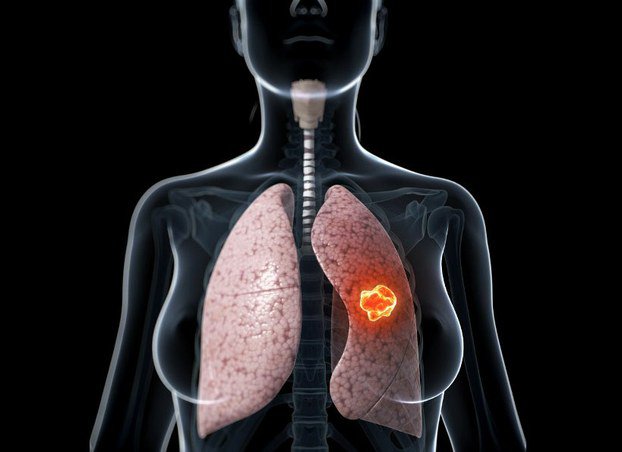
6. Previous Radiation Exposure
Radiation involving the chest can also be associated with a higher risk of developing lung cancer.
For example, people who received certain forms of radiation therapy for previous cancers may have an increased long-term risk.
The risk depends on factors such as the radiation dose, the area treated, age at exposure, and other individual circumstances.
This does not mean that radiation therapy should be avoided when it is medically necessary. Radiation can be a highly effective treatment for cancer.
Rather, previous medical treatment is one of many factors doctors may consider when evaluating a person's long-term health.
7. Chronic Lung Inflammation and Certain Diseases
Researchers continue to study the relationship between chronic inflammation, lung disease, and cancer.
Certain chronic respiratory conditions may be associated with an increased risk of lung cancer, although the relationship can be complicated.
Long-term tissue damage and repeated inflammatory processes can potentially contribute to cellular changes.
However, having a chronic lung condition does not mean that someone will develop cancer.
Most people with respiratory diseases do not develop lung cancer, and risk varies substantially from person to person.
8. Family History May Matter
A family history of lung cancer may also be relevant.
If a close relative has had lung cancer, particularly at a relatively young age or if multiple relatives have been affected, doctors may take that history into account.
Family history can reflect shared genetics, shared environmental exposures, or both.
It is important to remember that having a relative with lung cancer does not guarantee that you will develop the disease.
Likewise, someone without a family history can still develop lung cancer.
9. Age Is Still an Important Factor
Although lung cancer can occur in younger adults, the disease is much more common with increasing age.
Cancer generally takes years or decades to develop because multiple genetic changes may need to accumulate before a normal cell becomes malignant.
This is one reason lung cancer is more frequently diagnosed in older adults.
A person who has never smoked may therefore develop lung cancer later in life even if they have no obvious history of tobacco exposure.
Age itself is not a cause of cancer, but it reflects the increasing opportunity for cellular damage and mutations to accumulate over time.
10. Lung Cancer in Never-Smokers Can Be Different
One of the most interesting developments in cancer research is the recognition that lung cancer in never-smokers is not necessarily identical to smoking-related lung cancer.
Many never-smokers who develop lung cancer have adenocarcinoma, a type of non-small cell lung cancer that can be driven by particular molecular alterations.
This distinction is clinically important because some tumors contain genetic changes that can be targeted with specific medications.
Modern lung cancer treatment may therefore involve molecular testing, also called biomarker or genomic testing, to identify alterations that could influence treatment decisions.
For patients with advanced disease, identifying an actionable mutation can sometimes open the door to targeted therapies.
Symptoms Should Not Be Ignored
One of the biggest problems with lung cancer is that it may not cause obvious symptoms during its early stages.
When symptoms do occur, they can resemble common respiratory problems.
Potential warning signs include:
-
A persistent or worsening cough
-
Coughing up blood
-
Unexplained shortness of breath
-
Chest pain
-
Persistent hoarseness
-
Recurrent respiratory infections
-
Unexplained weight loss
-
Loss of appetite
-
Persistent fatigue
-
Unexplained bone pain in some cases
These symptoms do not automatically mean lung cancer.
A cough, for example, can have many causes, including allergies, asthma, infections, reflux, and other respiratory conditions.
However, persistent, unusual, or worsening symptoms deserve medical evaluation—especially when they do not improve as expected.
Should Never-Smokers Get Screened?
This is an important distinction.
Routine low-dose CT screening is generally recommended for people who meet specific age and smoking-history criteria because the benefits and potential harms of screening depend heavily on a person's underlying risk.
Being a never-smoker alone generally does not mean that someone should undergo routine lung cancer screening.
Screening can lead to false-positive findings, incidental abnormalities, additional imaging, invasive procedures, anxiety, and radiation exposure.
However, a person with significant risk factors—such as substantial occupational exposure, radon exposure, a strong family history, or certain medical circumstances—may need an individualized discussion with a healthcare professional.
Screening recommendations can also change as research develops.
Prevention Still Matters
Not every case of lung cancer can be prevented.
Some genetic changes occur for reasons that researchers do not completely understand. Nevertheless, several practical steps can reduce exposure to known risk factors.
Avoiding tobacco smoke remains one of the most important measures.
For nonsmokers, other useful steps can include:
Test for radon: If you live in an area where radon exposure is a concern, appropriate home testing can identify elevated levels.
Reduce secondhand smoke exposure: Keep homes and vehicles smoke-free whenever possible.
Follow workplace safety procedures: Use appropriate respiratory protection and follow established controls when working around dust, fumes, chemicals, or other hazards.
Pay attention to air quality: On days with significant air pollution, reducing prolonged outdoor exposure may be sensible, particularly for people with respiratory conditions.
Maintain overall health: Regular physical activity, a balanced diet, adequate sleep, and management of chronic health conditions support general health, even though they cannot eliminate cancer risk.
The Bigger Picture
The existence of lung cancer in never-smokers does not diminish the enormous role tobacco plays in lung cancer. Smoking remains the most important preventable cause.
Instead, it highlights a more complicated reality:
Cancer does not have a single cause.
A person's risk can reflect a combination of environmental exposures, genetics, age, workplace hazards, previous medical treatment, air pollution, and biological factors that scientists are still investigating.
This is also why it is important to avoid blaming people who develop cancer.
A person can make healthy choices throughout their life and still develop a serious disease.
When Should You Talk to a Doctor?
If you have persistent respiratory symptoms, unexplained weight loss, coughing up blood, ongoing chest discomfort, or a noticeable change in your breathing, it is worth speaking with a healthcare professional.
The same is true if you have a history of significant occupational exposure, prolonged secondhand smoke exposure, known radon exposure, or other factors that concern you.
Early evaluation does not mean that you have cancer. It simply gives doctors an opportunity to determine what is causing the symptoms.
And if cancer is discovered, identifying it earlier can sometimes provide more treatment options.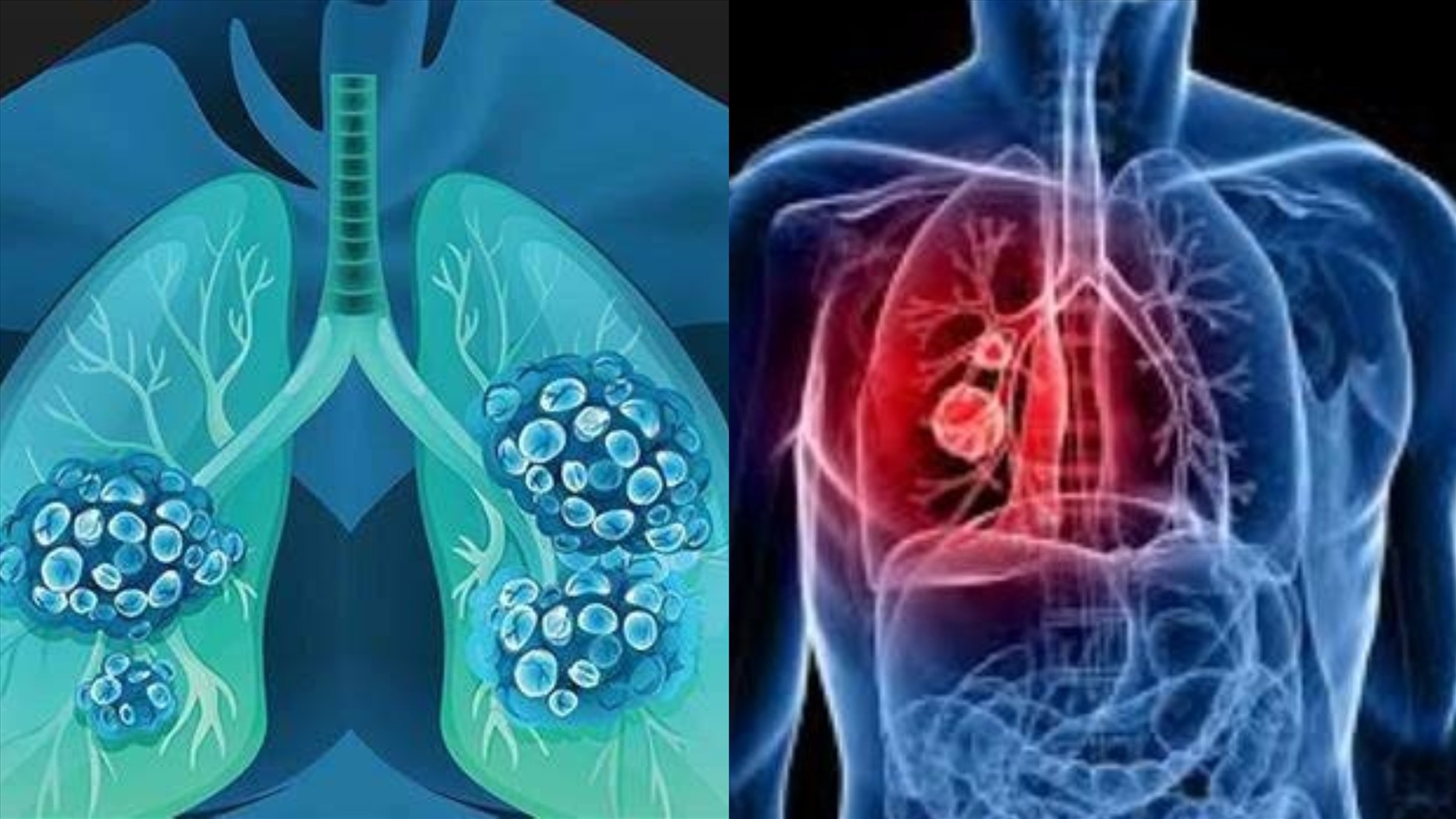
Final Thoughts
You do not have to be a smoker to develop lung cancer.
Secondhand smoke, radon, air pollution, occupational exposures, previous radiation, family history, age, and specific genetic changes can all play a role in certain cases.
At the same time, having one or more of these risk factors does not mean that cancer is inevitable.
The most important takeaway is to understand your individual risk rather than assuming that "never smoked" automatically means "no risk."
If something about your breathing or health has changed and the problem persists, don't simply dismiss it because you have never smoked. Lung cancer can affect nonsmokers too, and persistent symptoms deserve proper medical attention.