That is why adults should not rely only on a child making a perfectly clear formal complaint.
Teachers, parents, school counselors, and other trusted adults should pay attention to changes in behavior and repeated signs of distress.
However, they should also avoid treating a single behavioral change as proof of abuse. The correct response is to listen, gather relevant information, and seek appropriate professional guidance.
The NSPCC notes that children may disclose abuse for many reasons and that some may find it difficult to speak openly. A calm, supportive response can help them feel that they are being taken seriously.
NSPCC
A child should never have to find the perfect words before an adult is willing to listen.
The Difference Between Discipline and Abuse
Teachers need to maintain order in classrooms.
Students may interrupt lessons, refuse instructions, argue with classmates, or behave in ways that disrupt learning. A teacher must be able to respond consistently and fairly.
But discipline should be designed to guide behavior, not to frighten or injure a child.
Appropriate classroom management can include:
-
Calmly explaining expectations.
-
Redirecting a student who is interrupting.
-
Giving a clear reminder about classroom rules.
-
Offering a student a chance to calm down.
-
Using consequences established by school policy.
-
Communicating with parents when behavior becomes persistent.
-
Seeking help from school support staff when a student needs additional assistance.
These measures focus on teaching and accountability.
Physical punishment, aggressive handling, humiliation, and retaliation are different. Depending on the circumstances and local law, such conduct may constitute misconduct, abuse, or a criminal offense.
There can also be situations in which staff need to intervene physically to prevent immediate danger. For example, an adult may need to separate students who are fighting or stop a child from running into a dangerous area.
Such interventions must follow the relevant legal and school policies. They should be necessary, proportionate, and directed toward preventing harm—not punishing a child for speaking or asking a question.
The distinction matters because not every instance of physical contact is abuse, but neither should the label of classroom discipline be used to excuse inappropriate force.
If a teacher deliberately bites a student as punishment or retaliation, that would be a serious matter requiring investigation.
The available photograph and headline do not establish that this occurred. But the possibility should not be dismissed without a proper assessment.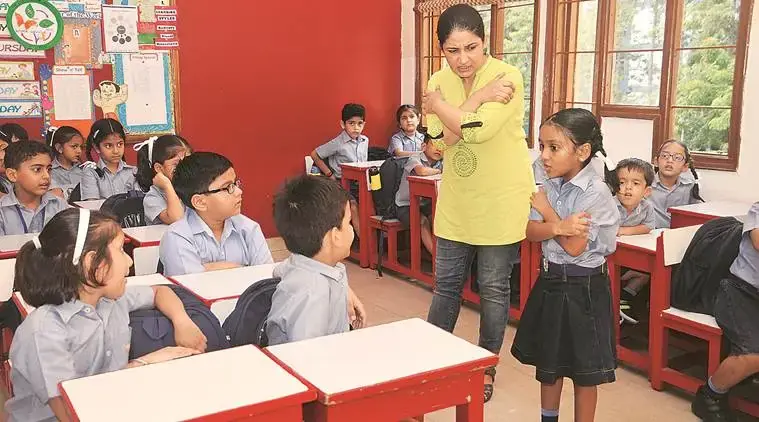
What Schools Can Do to Prevent Similar Concerns
The best safeguarding system is not one that reacts only after a serious complaint. It is one that creates clear expectations, encourages early reporting, and makes it difficult for inappropriate behavior to remain hidden.
Schools can strengthen student safety in several practical ways.
Clear Rules About Physical Contact
Staff should understand when physical contact is appropriate and when it is not.
For example, helping a young child with a practical task may involve ordinary, limited contact. Preventing an immediate accident may require an intervention. But physical contact should never be used to intimidate, retaliate against, or punish a student.
Schools should explain these boundaries to staff and make sure employees understand the procedures that apply in their particular setting.
Clear policies help protect students, but they also protect teachers from uncertainty about what is permitted.
Training That Goes Beyond a Written Policy
A policy is useful only when staff know how to apply it.
Training should help educators recognize inappropriate behavior, respond to disclosures, document concerns, and understand when a matter must be referred to a safeguarding professional.
Staff should also know how to manage challenging classroom situations without escalating conflict.
A teacher who feels overwhelmed by a student's behavior should be able to request support rather than reacting impulsively.
A Safe Way for Students to Speak Up
Children need to know whom they can approach if something makes them uncomfortable.
This may include a trusted teacher, counselor, principal, school nurse, or designated safeguarding person.
The process should be understandable to students of different ages and communication abilities.
Younger children may need simple explanations and visual reminders. Older students may benefit from confidential reporting options and clear information about what happens after a concern is raised.
A reporting system should not exist only on paper. Students must see that adults listen and respond.
Consistent Oversight
Schools should maintain clear procedures for handling complaints about staff.
Concerns should be documented, reviewed, and referred through the appropriate channels. If a staff member is accused of harming a student, the school should follow its formal process rather than relying on informal conversations or personal assurances.
Where appropriate, independent authorities should be involved.
The school should also review whether its procedures are working. If concerns are repeatedly delayed, dismissed, or handled inconsistently, leadership needs to examine why.
A Culture of Respect
Perhaps the most important safeguard is the atmosphere adults create every day.
Children should see that disagreement can be handled respectfully. They should be able to admit mistakes without being humiliated. They should understand that asking for help is a strength, not a weakness.
Teachers deserve respect, too. They work in demanding environments and need support, training, reasonable resources, and clear procedures.
A respectful school culture protects everyone by making expectations clear and encouraging problems to be addressed before they become serious.
What Parents Should Ask the School
If a child reports being hurt by a teacher, parents may feel angry, frightened, or uncertain about what to do next.
It can help to prepare a few specific questions before contacting the school.
Who is responsible for handling safeguarding complaints?
Parents should know the name or role of the person responsible for receiving concerns about student safety.
What immediate steps will be taken to protect the child?
The school should explain how it will prevent unnecessary contact or further risk while the concern is assessed, where such measures are appropriate.
Will the incident be formally recorded?
A written record helps establish what was reported, when it was reported, and what actions followed.
Will the school preserve relevant evidence?
Depending on the circumstances, this may include available video footage, incident logs, messages, staff schedules, or witness information.
Will the child be able to speak with someone independently?
A student may feel uncomfortable discussing an allegation with a person who is closely connected to the teacher involved. An appropriate independent safeguarding professional may be needed.
What is the next step if the school cannot resolve the concern?
Parents should be told which external authority or complaints process applies in their area.
It is reasonable to request clear answers. However, parents should remember that schools may be restricted from sharing confidential information about other students or staff.
The school should still be able to explain the process for protecting the child and handling the complaint.
If parents believe the school is failing to address a serious safety concern, they should consider contacting the relevant education authority, child-protection service, or police, depending on the circumstances and local requirements.
What Teachers Should Do When a Student Challenges or Questions Them
The allegation also raises a question about the pressures teachers face in everyday classrooms.
Teaching requires patience. Students do not always learn at the same speed, and they may ask the same question several times. Some children interrupt without realizing that they are doing so. Others challenge instructions because they are frustrated, confused, or testing boundaries.
A professional response begins with self-control.
If a student asks a question at an inconvenient moment, the teacher can acknowledge it and explain when it will be answered.