
Many cultures have long believed that snakes can be repelled by certain strong scents. Although scientific evidence is still limited for some of these claims, traditional practices, field observations, and anecdotal experiences continue to influence how people protect their homes and gardens from snakes. Below is an in-depth look at the common smells and plants said to deter snakes, along with practical safety tips to help keep them away.
Scents Snakes Are Believed to Avoid
1. Lemongrass
One of the most widely mentioned scents in folklore is lemongrass. Many households plant lemongrass in garden beds, along fences, or around house foundations, believing that its sharp citrus aroma helps repel snakes. Others burn lemongrass essential oil or use lemongrass sprays inside and around the home.
The belief likely comes from the plant’s strong citronella-like fragrance, which is known to repel insects such as mosquitoes. Although there is no solid scientific proof that lemongrass repels snakes, many people swear by it as a natural deterrent.
2. Realgar Powder (Arsenic Sulfide)
Realgar, a traditional mineral compound with a distinct bright red or yellow-orange color, has long been used in ancient Chinese practices to keep snakes away. Its powerful odor and chemical composition are believed to be offensive to snakes, causing them to avoid areas where the powder is scattered.
However, realgar is toxic to humans and pets, containing arsenic compounds that can cause poisoning through inhalation or skin contact. Because of this danger, it is not recommended for regular household use.
3. A Garlic and Salt Mixture
A commonly used, low-cost home remedy involves mixing crushed fresh garlic with coarse salt in a 1:1 ratio and sprinkling it around the house. Garlic’s pungent smell is thought to irritate snakes, while salt may discourage them from crossing treated areas.
This method is popular because it is safe, simple, and inexpensive, though results may vary depending on the environment and type of snake.
Plants That Snakes Are Believed to Avoid
Several plants have aromas or chemical compounds that may make certain areas less appealing to snakes. While these are not guaranteed repellents, they can serve as natural deterrents when combined with proper home maintenance.
1. Lemongrass (Cymbopogon citratus)
As mentioned earlier, lemongrass is one of the most popular snake-repelling plants. Its citrus scent is believed to drive snakes away. However, large clusters of lemongrass can create thick, shaded areas where snakes or other small animals might hide, especially if not trimmed regularly. For this reason, homeowners should keep the area tidy and well-maintained.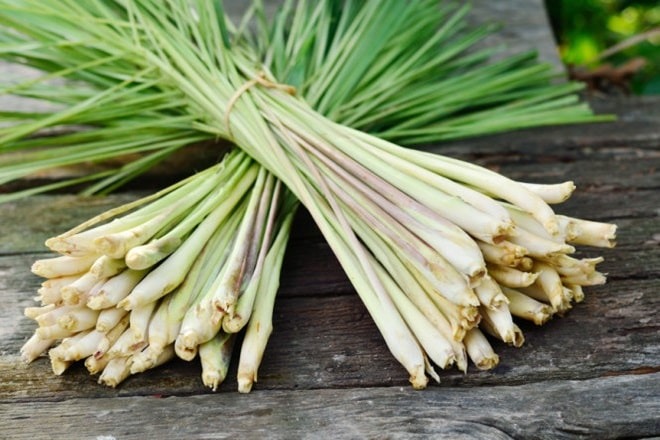
2. Chrysanthemums
Chrysanthemums contain a natural insecticidal chemical called pyrethrum, which is well-known for repelling many pests. Some people believe this compound may also deter snakes, making chrysanthemums a useful plant for borders and garden edges.:quality(75)/cuc_hoa_mi_af32339a2e.jpg)
3. Marigolds
Marigolds produce a strong scent from their roots and flowers, which snakes reportedly find unpleasant. Their bright colors also make them a popular choice for decorative purposes, doubling as a snake deterrent in many gardens.
4. Garlic Vine (Mansoa alliacea)
Garlic vine emits a strong garlic-like smell when its leaves are crushed or when the plant is growing actively. This odor is believed to repel snakes and other reptiles. In addition to being ornamental, garlic vine is also used in herbal medicine for detoxification, cooling the body, and reducing inflammation.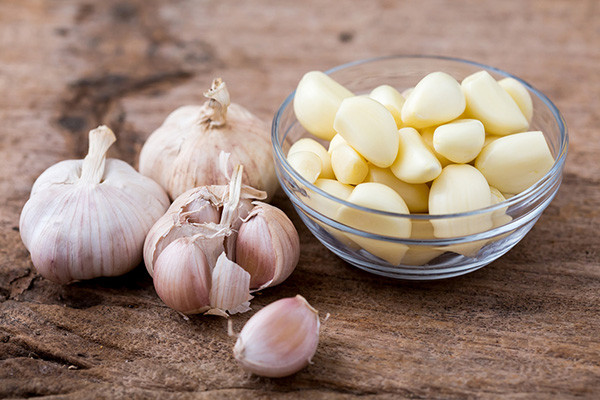
5. Snake Plant (Sansevieria trifasciata)
Interestingly, despite its name, the snake plant is believed to deter snakes rather than attract them. Some people claim that the plant’s sharp, upright leaves and the bitter sap it contains may discourage snakes from approaching. It is also an easy-to-grow indoor plant known for improving air quality.
Additional Measures to Keep Snakes Away
While scents and plants may help discourage snakes, they should not be relied upon as the sole method of protection. The most effective strategy combines natural deterrents with proper hygiene and environmental management.
1. Maintain a Clean and Organized Home and Yard
Snakes are attracted to areas that offer shade, moisture, and hiding places. To minimize these conditions:
-
Regularly mow the lawn and trim overgrown vegetation.
-
Remove piles of wood, stones, or debris where snakes could hide.
-
Seal gaps around doors, walls, and foundations.
-
Avoid leaving pet food or birdseed outdoors, as this attracts rodents - a primary food source for snakes.
2. Watch for Warning Signs
If you notice:
-
Shed snake skin
-
Unusual tracks
-
Burrows or holes around your home
you should inform family members and proceed with caution. Early detection can prevent dangerous encounters.
3. Avoid Confronting a Snake Directly
If you find a snake inside a drawer, garage, or corner of the house:
-
Stay calm.
-
Do not attempt to catch, corner, or provoke it.
-
Leave the area quietly and close off the room if possible.
-
Contact professional animal control or snake-handling experts.
Attempting to remove a snake yourself increases the risk of being bitten, particularly if the species is venomous.
Conclusion
While natural scents like lemongrass, garlic, and marigold are commonly believed to repel snakes, no method is completely foolproof. Snake-repelling plants and home remedies can be useful, but the most effective protection comes from maintaining a clean, clutter-free environment and taking precautionary measures.
By understanding which scents and plants may discourage snakes — and combining them with responsible home care — you can greatly reduce the likelihood of encountering snakes around your living space.