


Red Dots on the Skin Can Have Many Causes – Here's What You Should Know
Tiny Red Dots on Your Skin? Here's What They Could Mean
Health 09/06/2026 16:46
For years, many people have heard the advice: "Go to bed before 10 PM if you want to stay healthy." Social media posts, wellness blogs, and even some traditional health beliefs often suggest that sleeping before 10 PM can improve energy, strengthen immunity, support weight management, and even slow aging.
But is there really something special about the 10 PM hour? Does going to bed before 10 PM automatically make someone healthier than a person who sleeps at 11 PM or midnight?
The answer is more nuanced than many people realize. Modern sleep science suggests that while early bedtimes may benefit some individuals, the most important factors are sleep duration, sleep quality, and consistency.
Let's explore what researchers know about sleep timing and whether going to bed before 10 PM truly offers health advantages.
Sleep is one of the most essential biological processes in the human body.
During sleep, the body performs numerous critical functions.
Tissue repair
Memory consolidation
Hormone regulation
Immune system support
Energy restoration
Without sufficient sleep, almost every system in the body can be affected.
Sleep is not simply a period of inactivity.
Instead, it consists of several stages that repeat throughout the night.
Light sleep
Deep sleep
REM sleep (Rapid Eye Movement)
Each stage contributes differently to physical and mental health.
One common belief is that every hour of sleep before midnight is worth two hours after midnight.
There is no strong scientific evidence that one hour of sleep before midnight is literally worth twice as much as sleep after midnight.
However, there is some truth behind the idea that sleep timing matters.
Human beings operate according to circadian rhythms.
Circadian rhythms are natural 24-hour biological cycles that help regulate:
Sleep
Wakefulness
Hormone production
Body temperature
Metabolism
These rhythms are heavily influenced by light exposure.
As daylight fades, the brain begins increasing production of melatonin.
Promote sleepiness
Signal that it is time to rest
Coordinate the sleep-wake cycle
For many people, melatonin levels begin rising during the evening.
Sleeping earlier often aligns more closely with natural circadian rhythms.
Easier sleep onset
Better sleep quality
Improved morning alertness
More consistent sleep schedules
This is one reason many sleep experts encourage maintaining a regular bedtime.
Perhaps the most important factor is not the exact bedtime but how much sleep you get.
Approximately:
7 to 9 hours per night
Consistently sleeping less than this may negatively affect health.
Fatigue
Reduced concentration
Mood changes
Increased accident risk
Metabolic disturbances
This means someone sleeping from 11 PM to 7 AM may be healthier than someone sleeping from 9 PM to 4 AM.
Researchers have investigated whether bedtime influences health outcomes.
People with extremely late bedtimes may have increased risks of:
Poor sleep quality
Social jet lag
Irregular schedules
The relationship is complex.
Lifestyle factors often influence results.
For example, late-night schedules may be associated with:
Shift work
Screen use
Irregular eating habits
rather than bedtime alone.
Today's technology often encourages later bedtimes.
Smartphones
Streaming services
Social media
Artificial lighting
These factors may delay sleep onset.
Electronic screens emit blue light.
Delay melatonin production
Increase alertness
Make falling asleep more difficult
Reducing screen exposure before bed may improve sleep quality.
Many sleep researchers emphasize consistency.
The body prefers predictable patterns.
Going to bed and waking up at similar times each day may help:
Improve sleep efficiency
Support circadian rhythms
Enhance daytime energy
Consistency often matters more than chasing a specific bedtime.
For individuals whose schedules allow it, earlier bedtimes may offer advantages.
Earlier sleep often matches the body's biological clock.
People who sleep earlier may find it easier to wake naturally.
Going to bed earlier may make it easier to achieve recommended sleep duration.
Some individuals consume fewer unnecessary calories when asleep rather than staying awake late.
Earlier bedtimes often encourage healthier daily habits.
Not everyone functions identically.
Later sleep schedules
Evening productivity
Delayed circadian timing
These individuals are sometimes called "night owls."
Yes.
Get enough sleep
Maintain consistency
Wake at appropriate times
Support healthy habits
they can still achieve good health outcomes.
Regardless of bedtime, watch for signs such as:
Daytime sleepiness
Difficulty concentrating
Irritability
Frequent fatigue
Dependence on caffeine
These signs may indicate insufficient sleep.
The quality of sleep matters just as much as the timing.
Go to bed and wake up at similar times.
Reduce exposure to bright screens.
Consider:
Darkness
Quiet surroundings
Comfortable temperature
Caffeine can interfere with sleep.
Physical activity supports better sleep quality.
Sleep quality and duration matter more.
Individual sleep patterns vary.
Excessive sleep can also be associated with health concerns.
Regular sleep deprivation cannot always be fully reversed by sleeping longer on weekends.
Earlier sleep schedules may be particularly helpful for:
Wake early for work
Wake early for school
Struggle with sleep quality
Experience morning fatigue
Earlier bedtimes may help them achieve sufficient sleep.
If there is one lesson supported by sleep research, it is this:
A person who sleeps:
10 PM to 6 AM every night
and a person who sleeps:
11 PM to 7 AM every night
may both enjoy excellent health if sleep quality and duration are adequate.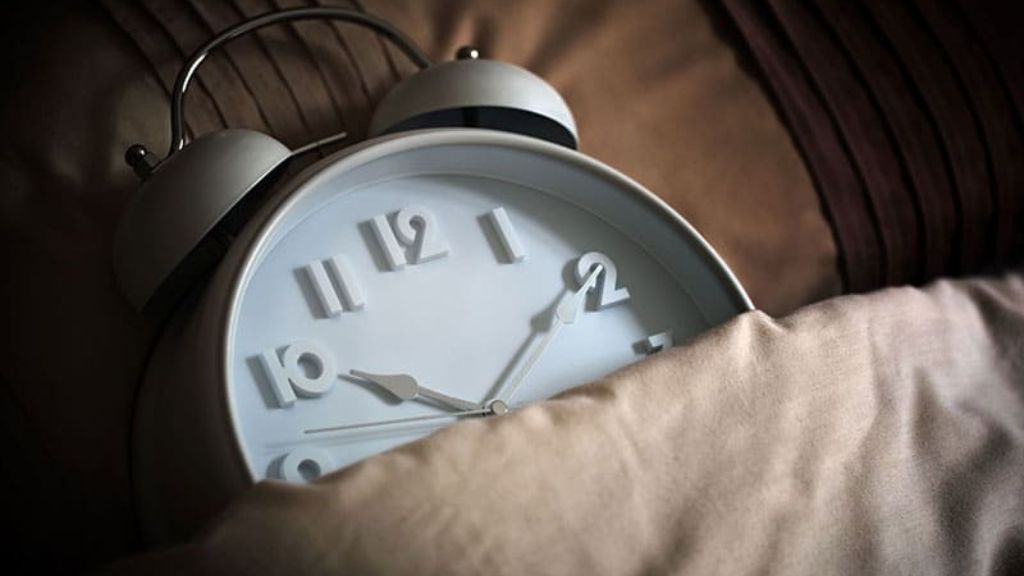
The idea that everyone must be asleep before 10 PM is an oversimplification. While earlier bedtimes may align better with natural circadian rhythms and help some people achieve sufficient sleep, there is nothing magical about the 10 PM mark itself. What matters most is getting enough high-quality sleep, maintaining a consistent sleep schedule, and supporting healthy daily habits.
Rather than focusing solely on a specific bedtime, consider whether you wake feeling rested, alert, and energized. For most adults, achieving seven to nine hours of quality sleep on a regular basis is far more important than whether sleep begins at 9:30 PM, 10 PM, or even slightly later. In the end, healthy sleep is less about the clock and more about consistency, quality, and meeting your body's individual needs.
Tiny Red Dots on Your Skin? Here's What They Could Mean

Could One Banana a Day Benefit Your Heart? Understanding Its Impact on Bl00d Pressure

Looking to Support Memory as You Age? Eggs May Play a Role in a Brain-Healthy Diet

One Daily Habit, One Serious Diagnosis: The Story That's Getting Attention
Understanding the 6 Main Types of Warts and How They Are Treated

The Truth About Canned Peaches and Their Effects on Your Body

Waking Up With These 2 Persistent Symptoms Could Be Your Body's Way of Signaling Liver Stress

Common Causes of a White Tongue and When to Seek Medical Advice

🧄 Why Nutrition Experts Often Recommend Including Garlic in a Balanced Diet 👇

Hip Pain Can Have Many Causes - Here's What You Should Know

Most People Ignore These 5 Early Cancer Warning Signs Until It's Too Late
🚨 One Quick Look Could Reveal Important Information About Your Health 👇

The Truth Was Different

😮 You May Have Seen This Plant Hundreds of Times Without Knowing Its Secrets 👇
These 7 Everyday Symptoms Could Be More Than Just Part of Getting Older

Could Eating Bananas Before Bed Improve Your Health? One Man's Experience Is Turning Heads

Your Headaches May Not Be Random—Here's What They Could Be Telling You

What Really Happens When You Eat Garlic Before Bed?

⚠️ If You Have Any of These 5 Conditions, You May Need to Be Careful With Ginger 👇
Tiny Red Dots on Your Skin? Here's What They Could Mean
Could One Banana a Day Benefit Your Heart? Understanding Its Impact on Bl00d Pressure

Protect Your Lungs: 6 Common Items in Your Home That May Influence Indoor Air Quality
Looking to Support Memory as You Age? Eggs May Play a Role in a Brain-Healthy Diet
One Daily Habit, One Serious Diagnosis: The Story That's Getting Attention
Understanding the 6 Main Types of Warts and How They Are Treated
The Truth About Canned Peaches and Their Effects on Your Body

Why Cordyceps, the Famous "Caterpillar Fungus," Was Once Worth a Fortune?
Waking Up With These 2 Persistent Symptoms Could Be Your Body's Way of Signaling Liver Stress
Common Causes of a White Tongue and When to Seek Medical Advice
🧄 Why Nutrition Experts Often Recommend Including Garlic in a Balanced Diet 👇
Hip Pain Can Have Many Causes - Here's What You Should Know
Most People Ignore These 5 Early Cancer Warning Signs Until It's Too Late
🚨 One Quick Look Could Reveal Important Information About Your Health 👇
The Truth Was Different

👇 What Most People Wish They Knew Before Having a Colonoscopy
😮 You May Have Seen This Plant Hundreds of Times Without Knowing Its Secrets 👇
These 7 Everyday Symptoms Could Be More Than Just Part of Getting Older
Could Eating Bananas Before Bed Improve Your Health? One Man's Experience Is Turning Heads