uava is a tropical fruit loved for its sweet flavor, juicy texture, and distinctive aroma. Whether eaten fresh, blended into smoothies, or made into juices and jams, guava is a staple in many diets around the world. But beyond its delicious taste, health experts are increasingly highlighting guava for its impressive nutritional profile and potential health benefits.
Recent studies suggest that both guava fruit and its leaves contain powerful natural compounds that may support overall health—especially when it comes to managing blood sugar levels.

Why Guava Is Gaining Attention in Health Research
Nutritionists and researchers have found that guava is packed with essential vitamins, minerals, fiber, and antioxidants. These nutrients play a key role in maintaining a healthy metabolism and supporting various bodily functions.
One of the most talked-about benefits of guava is its potential to help manage diabetes, a condition affecting millions of people worldwide. While guava is not a cure, it can be a valuable addition to a balanced and healthy lifestyle.
Guava and Blood Sugar Control
One of the standout benefits of guava is its ability to help regulate blood glucose levels.
Studies indicate that compounds found in guava leaves may improve insulin sensitivity. When your body responds better to insulin, it can absorb glucose more efficiently, reducing excess sugar in the bloodstream.
This process helps:
-
Prevent sudden spikes in blood sugar
-
Support stable energy levels
-
Reduce the risk of complications linked to diabetes
Because of this, guava is often recommended as part of a diabetes-friendly diet.
How to Use Guava Leaves
A traditional and simple way to benefit from guava leaves is by making guava leaf tea.
How to prepare:
-
Boil a handful of fresh or dried guava leaves in water for 5–10 minutes
-
Let it steep for a few minutes
-
Strain and drink warm
Many people prefer drinking this tea after meals, as it may help reduce post-meal blood sugar spikes.
Guava Fruit: A Nutritional Powerhouse
The guava fruit itself is incredibly rich in nutrients.
1. High in Vitamin C
Guava contains even more vitamin C than oranges in some cases. This powerful vitamin:
-
Strengthens the immune system
-
Helps fight infections
-
Supports healthy skin
2. Rich in Dietary Fiber
Fiber plays an essential role in:
-
Improving digestion
-
Promoting fullness (helpful for weight control)
-
Slowing sugar absorption in the bloodstream
3. Low Glycemic Index
Guava has a low glycemic index (GI), meaning it releases sugar slowly into the blood. This makes it a safer fruit option for people managing blood sugar levels.
Additional Health Benefits of Guava
Beyond blood sugar control, guava offers several other health advantages:
Powerful Antioxidants
Guava is loaded with antioxidants that help fight free radicals, reducing oxidative stress and slowing down cellular aging.
Heart Health Support
Its nutrients may help:
-
Lower inflammation
-
Improve cholesterol levels
-
Support overall cardiovascular health
Boosts Immunity
Regular consumption may strengthen the body’s natural defense system against illnesses.
Important: Guava Is Not a Medical Treatment
Despite its many benefits, it’s essential to understand that guava is not a substitute for medical treatment.
If you have diabetes or any other health condition:
-
Follow your doctor’s advice
-
Take prescribed medications
-
Monitor your blood sugar regularly
A healthy diet, regular exercise, and proper medical care remain the foundation of disease management.
Easy Ways to Add Guava to Your Diet
Incorporating guava into your daily routine is simple and delicious:
-
Eat it fresh as a snack
-
Blend it into natural smoothies
-
Make fresh juice (without added sugar)
-
Add it to fruit salads
-
Use it in healthy desserts
-
Drink guava leaf tea
The key is to enjoy it in moderation as part of a balanced diet.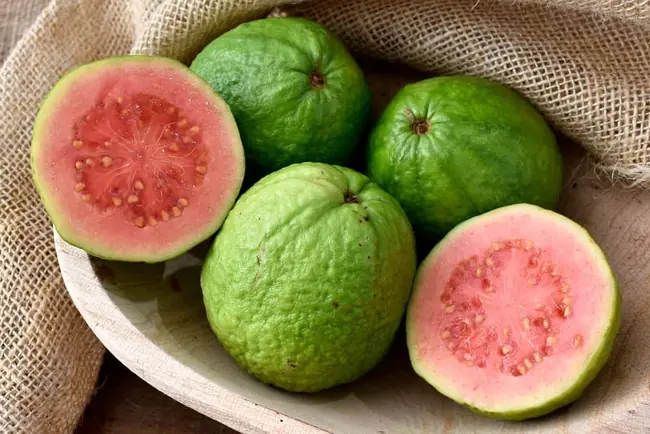
Final Thoughts
Guava is more than just a tasty tropical fruit—it’s a nutrient-rich superfood with the potential to support blood sugar control, boost immunity, and improve overall health.
By making small, healthy choices and including foods like guava in your diet, you can take meaningful steps toward a healthier and more balanced lifestyle.