Tomatoes are one of the most common foods in kitchens around the world. They appear in salads, soups, sauces, sandwiches, pasta dishes, and countless other meals. Some people consider tomatoes a vegetable, while botanically they are actually a fruit.
Beyond their versatility, tomatoes are packed with nutrients and plant compounds that may support overall health. They provide vitamin C, potassium, folate, fiber, and carotenoids, including an antioxidant compound called lycopene.
But tomatoes have also become the subject of many health claims online. Some posts describe them as a "miracle food," while others suggest that eating tomatoes regularly can cause various health problems.
The reality is much more balanced.
For most people, tomatoes can be an excellent part of a healthy diet. However, certain individuals may experience problems because of allergies, digestive sensitivity, medication interactions, or specific medical conditions.
So what actually happens when you eat tomatoes regularly?
1. Tomatoes Are Rich in Lycopene
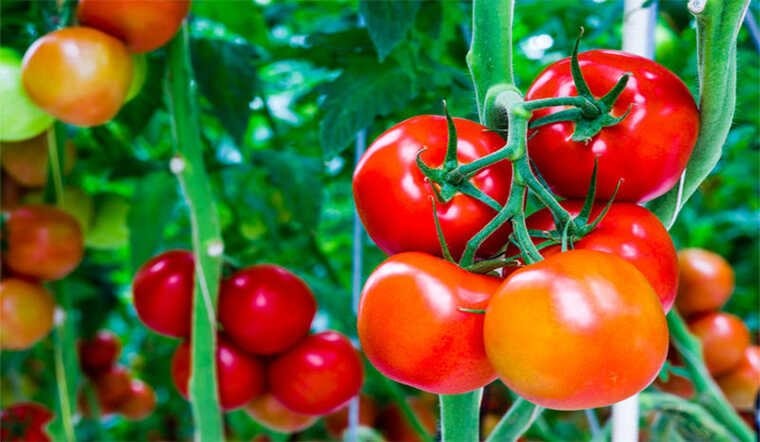
One of the most interesting compounds in tomatoes is lycopene, a carotenoid responsible for much of their red color.
Lycopene has antioxidant properties, meaning it can help protect cells from oxidative stress.
Research has investigated lycopene in relation to:
-
Cardiovascular health
-
Prostate health
-
Metabolic health
-
Cellular protection
-
Overall dietary quality
However, it is important not to turn these findings into exaggerated claims.
Eating tomatoes does not guarantee protection from cancer or heart disease. Instead, tomatoes can contribute useful nutrients and plant compounds to an overall healthy eating pattern.
2. Cooked Tomatoes Can Provide Highly Available Lycopene
Interestingly, the way tomatoes are prepared can influence lycopene availability.
Cooking tomatoes, particularly with some fat, can make lycopene more bioavailable than consuming raw tomatoes alone.
This is one reason foods such as:
-
Tomato sauce
-
Tomato paste
-
Cooked tomatoes
-
Tomato soup
can still be excellent sources of lycopene.
That doesn't mean raw tomatoes are inferior. Raw tomatoes provide vitamin C and other nutrients and can be an important part of a balanced diet.
The best approach is simply to enjoy tomatoes in different forms.
3. Tomatoes Provide Vitamin C
Tomatoes contain vitamin C, an essential nutrient involved in:
-
Immune function
-
Collagen production
-
Wound healing
-
Iron absorption
-
Antioxidant protection
Including tomatoes alongside other fruits and vegetables can help contribute to overall vitamin C intake.
However, tomatoes aren't the only source. Citrus fruits, berries, peppers, broccoli, and many other vegetables and fruits also provide vitamin C.
4. They Can Contribute to Heart Health
A healthy diet rich in vegetables and fruits is associated with better cardiovascular health.
Tomatoes may contribute through several nutrients and compounds, including:
-
Lycopene
-
Potassium
-
Vitamin C
-
Fiber
-
Other carotenoids
Research has explored whether tomato consumption and lycopene status are associated with cardiovascular outcomes.
However, no single food can prevent heart disease.
A heart-friendly lifestyle also includes:
-
Regular physical activity
-
Healthy blood pressure
-
Healthy cholesterol levels
-
Avoiding tobacco
-
Maintaining a healthy weight
-
Eating a varied diet
5. Tomatoes Provide Potassium
Potassium is an essential mineral involved in:
-
Muscle contraction
-
Nerve function
-
Fluid balance
-
Normal heart function
-
Blood pressure regulation
Tomatoes can contribute to daily potassium intake.
However, people with advanced kidney disease may be advised to limit potassium depending on their individual blood levels and treatment plan.
If you have kidney disease, don't dramatically increase high-potassium foods without discussing your diet with your healthcare team.
6. Tomatoes Contain Fiber
Whole tomatoes provide dietary fiber, particularly when the skin and seeds are consumed.
Fiber supports:
-
Normal bowel movements
-
Digestive health
-
Satiety
-
A healthy gut environment
Eating tomatoes alongside other fiber-rich foods can help create a more diverse diet.
For example, a meal containing tomatoes, beans, whole grains, leafy greens, and other vegetables can provide substantially more fiber than a meal based primarily on refined carbohydrates.
7. Tomatoes May Help Support a Healthy Weight
Tomatoes are relatively low in calories while providing water, fiber, and nutrients.
This makes them useful in meals for people trying to maintain or manage their weight.
For example, replacing some high-calorie ingredients with fresh tomatoes can increase the volume and nutritional value of a meal without adding many calories.
However, the overall meal matters.
A tomato itself may be low in calories, but a dish made with large amounts of:
-
Cheese
-
Cream
-
Oil
-
Sugar
-
Refined carbohydrates
can be much higher in calories.
8. Tomatoes Can Help Make Healthy Meals More Enjoyable
One underrated benefit of tomatoes is flavor.
Their acidity, sweetness, and umami characteristics can make vegetables, grains, legumes, and lean proteins more enjoyable.
Instead of relying heavily on salt or highly processed sauces, you can use tomatoes to add:
-
Moisture
-
Acidity
-
Freshness
-
Flavor
This can make it easier to maintain a healthy eating pattern over the long term.
9. Fresh Tomatoes and Tomato Products Aren't Identical
When considering tomatoes, it's important to distinguish between the fruit itself and highly processed tomato products.
Fresh tomatoes
Generally provide:
-
Water
-
Fiber
-
Vitamin C
-
Potassium
-
Lycopene
Tomato paste
More concentrated and often richer in lycopene per serving.
Tomato sauce
Can be nutritious but may contain added:
-
Sodium
-
Sugar
-
Oils
Canned tomatoes
Can be a convenient and nutritious option, but sodium content varies significantly between brands.
Always check the nutrition label.
10. Watch the Sodium in Processed Tomato Products
Tomatoes themselves are naturally low in sodium.
The problem often comes from the products made from them.
Some canned soups, pasta sauces, and prepared tomato products can contain substantial amounts of sodium.
Excess sodium intake can contribute to elevated blood pressure in susceptible individuals.
If you're trying to reduce sodium, look for:
-
No-salt-added canned tomatoes
-
Low-sodium tomato sauce
-
Products with minimal added salt
You can then add herbs and spices for flavor.
11. Tomatoes May Trigger Heartburn in Some People
This is one area where tomatoes can genuinely cause discomfort.
Tomatoes are acidic, and tomato-based foods may trigger or worsen heartburn or reflux symptoms in some individuals.
You may notice symptoms such as:
-
Burning in the chest
-
Acid taste in the mouth
-
Regurgitation
-
Throat irritation
This doesn't mean everyone with reflux must avoid tomatoes.
Food triggers vary significantly between individuals.
If tomatoes consistently cause symptoms, reducing the portion or avoiding them during periods of active reflux may help.
12. Tomatoes and GERD: Listen to Your Body
People with gastroesophageal reflux disease (GERD) often learn that certain foods trigger their symptoms.
For some people, tomatoes are one of those foods.
If you notice a consistent relationship between tomato consumption and reflux, consider:
-
Smaller portions
-
Avoiding tomato-heavy meals late at night
-
Limiting particularly acidic tomato sauces
-
Keeping a food and symptom diary
If heartburn occurs frequently, seek medical advice rather than simply eliminating more and more foods from your diet.
13. Can Tomatoes Cause Joint Pain?
You may encounter claims online that tomatoes and other nightshade vegetables cause inflammation or joint pain.
There is not strong evidence that tomatoes universally cause arthritis or joint inflammation.
Tomatoes belong to the nightshade family along with foods such as:
-
Potatoes
-
Eggplants
-
Peppers
Some individuals may feel that particular foods worsen their symptoms, but this doesn't establish a general rule for everyone.
If you believe tomatoes trigger symptoms, discuss the pattern with a healthcare professional rather than assuming all nightshade vegetables are harmful.
14. What About Tomato Allergies?
A true tomato allergy is possible, although it is relatively uncommon.
Possible symptoms include:
-
Itching
-
Hives
-
Swelling
-
Abdominal discomfort
-
Vomiting
-
Wheezing
Some people may experience oral allergy syndrome, particularly if they have certain pollen allergies.
Symptoms may include itching or tingling in the mouth after eating raw tomatoes.
Anyone experiencing difficulty breathing, throat swelling, or other signs of a severe allergic reaction should seek emergency medical care.
15. Tomatoes and Kidney Health
For most healthy people, tomatoes can fit comfortably into a balanced diet.
However, people with certain kidney conditions may need to monitor potassium intake.
When the kidneys cannot adequately remove potassium from the blood, potassium can build up and potentially affect heart rhythm.
This does not mean everyone with kidney disease must avoid tomatoes.
Dietary recommendations depend on:
-
Kidney function
-
Blood potassium levels
-
Medications
-
Stage of kidney disease
-
Other dietary factors
If you've been told to follow a potassium-restricted diet, ask your healthcare professional or dietitian how tomatoes fit into your plan.
16. Tomatoes and Blood Sugar
Whole tomatoes contain relatively little carbohydrate and can fit into many diabetes-friendly meal patterns.
Their fiber and nutrient content can also make them a useful alternative to highly processed foods.
However, tomato products can be different.
Some ketchup, barbecue sauces, and prepared pasta sauces contain added sugar.
If you have diabetes, read labels and consider the entire meal rather than focusing on one ingredient.
17. Tomatoes May Support Skin Health
Tomatoes provide vitamin C and carotenoid compounds.
Vitamin C is important for collagen production, which contributes to normal skin structure.
Research has also investigated whether tomato-derived carotenoids may help protect the skin against some effects of ultraviolet radiation.
But eating tomatoes does not replace sunscreen.
If you're outdoors, appropriate sun protection remains essential.
18. What About Prostate Health?
Lycopene has been extensively studied in relation to prostate health.
Some observational research has found associations between higher tomato or lycopene consumption and certain prostate outcomes.
However, the evidence is not strong enough to say that eating tomatoes prevents prostate cancer.
Tomatoes can be part of a healthy dietary pattern, but they should never replace recommended screening or medical care.
19. Tomatoes Are Not a "Cancer Cure"
This is an important myth to address.
You may see online claims that tomatoes can "kill cancer cells" or "prevent cancer."
Laboratory studies of lycopene and other tomato compounds are interesting, but laboratory effects do not automatically translate into a treatment for cancer in humans.
There is currently no scientific basis for using tomatoes as a replacement for:
-
Cancer screening
-
Surgery
-
Chemotherapy
-
Radiation
-
Immunotherapy
-
Other evidence-based treatments
Tomatoes are a nutritious food—not a cancer cure.
20. Should You Eat Tomatoes Every Day?
For most healthy people, there is nothing inherently wrong with eating tomatoes regularly.
You don't need to consume them every day, however.
A varied diet is generally better than relying heavily on a single food.
You could rotate tomatoes with:
-
Broccoli
-
Carrots
-
Spinach
-
Bell peppers
-
Cabbage
-
Cauliflower
-
Beans
-
Mushrooms
Different plant foods provide different combinations of nutrients and beneficial compounds.
21. Raw or Cooked: Which Is Better?
The answer is: both can be valuable.
Raw tomatoes
Useful for:
-
Salads
-
Sandwiches
-
Fresh salsas
-
Snacks
They provide vitamin C and other nutrients.
Cooked tomatoes
Useful for:
-
Soups
-
Sauces
-
Stews
-
Pasta dishes
Cooking can increase the availability of lycopene.
Rather than asking which is "better," include both when you enjoy them.
22. Pair Tomatoes With Healthy Fats
Because lycopene is fat-soluble, consuming tomatoes with some dietary fat can help increase absorption.
For example:
Tomatoes + olive oil
can be a simple and flavorful combination.
Other possibilities include:
-
Tomatoes with avocado
-
Tomato salad with olive oil
-
Tomato sauce prepared with a moderate amount of healthy oil
This doesn't mean you need large amounts of fat. A modest amount is sufficient.
23. Don't Forget the Whole Diet
Eating tomatoes alongside a diet high in:
-
Sugary drinks
-
Processed meats
-
Refined grains
-
Excess sodium
-
Highly processed foods
doesn't automatically create a healthy diet.
The strongest nutritional benefits come from overall dietary patterns.
A Mediterranean-style pattern, for example, emphasizes:
-
Vegetables
-
Fruits
-
Legumes
-
Whole grains
-
Nuts
-
Seeds
-
Fish
-
Olive oil
Tomatoes fit naturally into this type of eating pattern.
24. Who May Need to Limit Tomatoes?
Most people don't need to avoid tomatoes.
However, caution may be appropriate for people who:
Have significant reflux
Tomatoes may trigger symptoms.
Have a tomato allergy
They should avoid tomatoes as advised by their healthcare professional.
Have certain kidney conditions
Potassium intake may need to be monitored.
Have an individualized elimination diet
Follow the plan developed with your doctor or dietitian.
25. How Much Tomato Is Appropriate?
There is no single amount that every person needs.
A reasonable serving might include:
-
One medium fresh tomato
-
A serving of chopped tomatoes
-
A portion of tomato sauce
The ideal amount depends on your overall diet and individual health needs.
Rather than focusing on a specific "daily dose," think about incorporating tomatoes as one component of a varied diet rich in vegetables and fruits.
Common Myths About Tomatoes
Myth 1: Tomatoes Are Bad Because They Are Acidic
Not for most people.
Their acidity may trigger reflux in some individuals, but it doesn't make tomatoes generally unhealthy.
Myth 2: Tomatoes Cause Arthritis
There is no strong evidence that tomatoes universally cause arthritis or joint inflammation.
Myth 3: Cooked Tomatoes Have No Nutritional Value
False.
Cooking can actually increase the availability of lycopene, although some heat-sensitive nutrients may decrease.
Myth 4: You Must Eat Tomatoes Every Day
No.
They are nutritious, but variety is important.
Myth 5: Tomato Juice Is Always Healthy
Not necessarily.
Some commercial tomato juices contain substantial amounts of sodium or added ingredients.
Check the label.
How to Add More Tomatoes to Your Diet
There are plenty of simple options.
Breakfast
Add sliced tomatoes to eggs or whole-grain toast.
Lunch
Make a salad with tomatoes, leafy greens, beans, and olive oil.
Dinner
Use tomatoes in soups, stews, or pasta sauces.
Snack
Enjoy fresh cherry tomatoes with hummus or another nutritious dip.
Side Dish
Combine tomatoes with cucumber, herbs, and olive oil.
The Bottom Line
Tomatoes are nutrient-rich foods that provide lycopene, vitamin C, potassium, fiber, and other beneficial plant compounds.
For most people, eating tomatoes regularly can be part of a healthy dietary pattern and may contribute to cardiovascular, digestive, and overall nutritional health.
But tomatoes aren't a miracle food, and they aren't appropriate in unlimited amounts for everyone.
People with acid reflux, tomato allergy, or certain kidney conditions may need to modify their intake. Processed tomato products also deserve attention because some contain large amounts of sodium or added sugar.
The best approach is simple:
Eat tomatoes if you enjoy them, vary the way you prepare them, and consider your individual health needs.
Final Thoughts
The truth about tomatoes is much less dramatic than many viral health claims suggest.
They aren't dangerous for most people, and they aren't a magical cure for disease either.
They're simply a nutritious food that can contribute valuable nutrients and plant compounds to a balanced diet.
If you tolerate them well, fresh tomatoes can brighten salads and sandwiches, while cooked tomatoes can add flavor and lycopene to soups, stews, and sauces. Pairing them with a little healthy fat, such as olive oil, can also help your body absorb lycopene.
At the same time, pay attention to how your body responds. If tomatoes repeatedly trigger heartburn, digestive discomfort, or allergic symptoms, don't ignore the pattern. And if you have kidney disease or another condition requiring dietary restrictions, ask your healthcare team how tomatoes fit into your individual eating plan.
Ultimately, healthy eating isn't about labeling one food as "good" or "bad."
It's about building a diverse diet filled with vegetables, fruits, whole grains, legumes, nuts, seeds, healthy fats, and appropriate sources of protein.
Tomatoes can absolutely be part of that picture - but they are one piece of the puzzle, not the whole story.